Top Benefits of Using Stainless Steel Wire for Industrial Applications
Stainless steel wire has become a fundamental material in various industrial applications due to its remarkable properties and performance. Known for its superior strength, corrosion resistance, and durability, stainless steel wire is ideally suited for harsh environments where traditional materials might fail. Industries ranging from automotive to construction and manufacturing significantly benefit from the utilization of this versatile wire.
The unique characteristics of stainless steel wire make it an excellent choice for applications that demand reliability and long-term performance. Its adaptability allows it to be used in a diverse array of products, including cables, springs, and fasteners, thus playing a crucial role in enhancing the integrity and longevity of industrial systems. Furthermore, the modern advancements in manufacturing techniques have expanded the potential applications of stainless steel wire, driving innovation and efficiency across various sectors.
In an ever-evolving industrial landscape, understanding the top benefits of using stainless steel wire is essential for stakeholders aiming to improve product quality and operational efficiency. This article explores the numerous advantages that stainless steel wire offers, highlighting its role as an indispensable component in meeting contemporary industrial challenges.
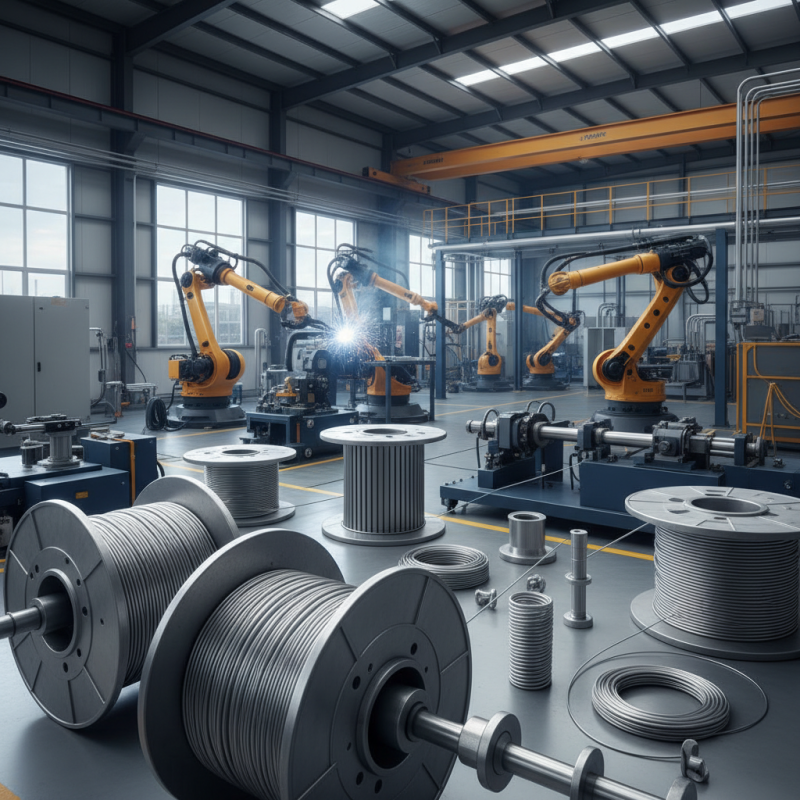
Key Properties of Stainless Steel Wire for Industrial Use
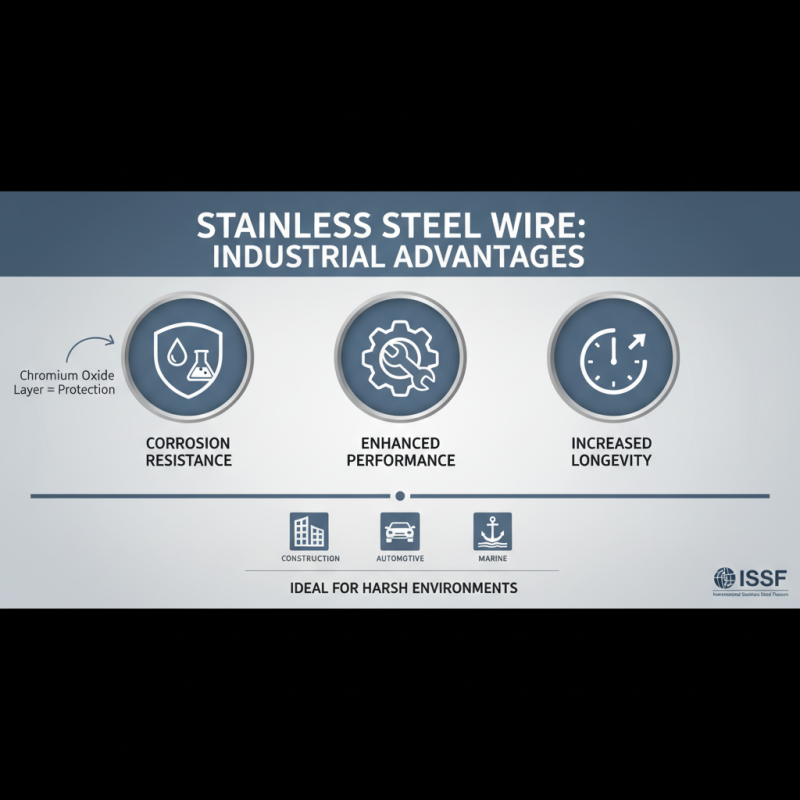
Stainless steel wire is increasingly favored in industrial applications due to its distinct properties that enhance performance and longevity. One of the key characteristics of stainless steel wire is its excellent corrosion resistance. According to a report by the International Stainless Steel Forum, stainless steel can resist rust and corrosion for extended periods, even in harsh environments, thanks to the formation of a protective chromium oxide layer. This makes it an ideal choice for industries such as construction, automotive, and marine, where exposure to moisture and chemicals is prevalent.
Another vital property of stainless steel wire is its remarkable strength-to-weight ratio. This attribute allows for the design of lighter structures that do not compromise on durability. A study by the American Institute of Steel Construction indicates that stainless steel wires can withstand high tensile strength, making them suitable for applications that require high load-bearing capacity. Furthermore, their flexibility enables easy manipulation into various shapes and forms, which is especially beneficial in manufacturing and assembly processes. These properties collectively contribute to reducing maintenance costs and prolonging the lifespan of industrial components, thereby enhancing overall operational efficiency.
Common Industrial Applications of Stainless Steel Wire
Stainless steel wire is widely utilized across various industrial applications due to its exceptional durability, corrosion resistance, and high tensile strength. One of the most common uses of stainless steel wire is in the construction and architecture industry, where it serves as reinforcement for concrete structures and as a vital component in suspension bridges. Its ability to withstand harsh environmental conditions makes it an ideal choice for projects exposed to moisture and chemicals, ensuring longevity and structural integrity.
Another significant application of stainless steel wire can be found in the manufacturing of wire ropes and cables. These products are essential in sectors such as telecommunications, marine, and transportation, providing reliable solutions for lifting, anchoring, and securing loads. The versatility of stainless steel wire allows it to be engineered for specific performance requirements, making it a preferred material for industries that demand strength and reliability under heavy stress. Additionally, it is used in medical devices and equipment, where hygiene and durability are paramount, further showcasing its adaptability across diverse industrial fields.
Top Benefits of Using Stainless Steel Wire for Industrial Applications - Common Industrial Applications of Stainless Steel Wire
| Application Area |
Benefits of Stainless Steel Wire |
Typical Wire Gauge |
Common Uses |
| Construction |
Corrosion resistance, durability |
10-20 AWG |
Reinforcing bars, mesh |
| Automotive |
High strength, lightweight |
12-18 AWG |
Safety cables, exhaust systems |
| Aerospace |
Heat resistance, reliability |
14-24 AWG |
Engine components, control cables |
| Medical |
Biocompatibility, cleanliness |
20-32 AWG |
Surgical instruments, implants |
| Food Processing |
Hygienic, easy to clean |
12-22 AWG |
Conveyor belts, storage containers |
Advantages of Stainless Steel Wire Over Other Materials
 Stainless steel wire has gained prominence in various industrial applications due to its superior properties compared to other materials. One of the primary advantages is its impressive corrosion resistance. Unlike traditional steel, which can rust and degrade when exposed to moisture and chemicals, stainless steel maintains its integrity even in harsh environments. This quality extends the lifespan of products and reduces the need for frequent replacements, making it a cost-effective choice in the long term.
Another significant benefit is its excellent strength-to-weight ratio. Stainless steel wire is robust enough to withstand heavy loads while being lightweight, making it easy to handle and install. This characteristic is particularly important in industries such as construction, automotive, and aerospace, where both strength and efficiency are critical. Additionally, stainless steel wire is versatile and can be easily manufactured into various forms, such as springs, cables, and mesh, allowing for a wide range of applications across different sectors. Its adaptability further emphasizes its advantages over more traditional materials, making it a top choice in the industrial landscape.
Maintenance and Durability Benefits of Stainless Steel Wire
Stainless steel wire offers exceptional maintenance and durability benefits that make it a preferred choice for various industrial applications. One of the primary advantages of stainless steel wire is its
resistance to corrosion, which is crucial in environments exposed to moisture or chemicals. This corrosion resistance significantly reduces the frequency and cost of maintenance, as it eliminates the need for regular protective coatings or treatments often required for other materials.
Industries like construction, automotive, and marine can particularly benefit, as a longer-lasting material translates to reduced downtime and operational costs.
Moreover, the high tensile strength of stainless steel wire ensures reliability and performance under stress. It can withstand extreme temperatures and harsh conditions, making it an ideal choice for applications that demand robust performance. This intrinsic durability means that stainless steel wire retains its form and function over time, promoting safety and efficiency in industrial operations. With minimal wear and tear, companies can focus on their core activities without being hindered by the need for frequent replacements or repairs, further enhancing productivity and efficiency in the long run.
Cost-Effectiveness of Stainless Steel Wire in Long-Term Use
Stainless steel wire is renowned for its outstanding durability and resistance to corrosion, making it an ideal choice for a wide array of industrial applications. When considering cost-effectiveness in the long term, the initial investment in stainless steel wire can often be misleading. Although it may command a higher upfront price compared to other materials, its longevity and low maintenance requirements contribute to significant savings over time. The resistance of stainless steel to wear and tear means that it can withstand harsh environments without the need for frequent replacements, which is a major cost advantage for industries that rely on consistent performance.
Moreover, the versatility of stainless steel wire enhances its economic value. It can be utilized in various manufacturing processes, from construction to automotive applications, thereby reducing the need for multiple types of wires and simplifying inventory management. This multifunctionality allows businesses to optimize their operations, potentially reducing logistics and procurement costs associated with using multiple materials. Ultimately, the robust nature and adaptability of stainless steel wire not only provide immediate operational benefits but also facilitate substantial long-term financial savings.