Best 10 Custom Ratchet Straps for Ultimate Security and Convenience?
In the world of securing cargo, custom ratchet straps stand out. They provide tailored solutions for various transportation needs. Whether you are moving furniture or loading heavy equipment, these straps offer unmatched reliability. The versatility in design allows users to find the perfect fit for their specific tasks.
However, not all custom ratchet straps are created equal. Some options may be overpriced or lack durability. It's essential to analyze your requirements before purchasing. A cheap strap may seem attractive, but could compromise safety. User reviews often reveal the difference between satisfaction and disappointment.
Choosing well-crafted custom ratchet straps can enhance your loading experience. Properly secured loads mean fewer accidents and less stress. With the right choice, you can experience ultimate convenience and peace of mind. The journey ahead depends on making the right decisions today.
Best Materials for Custom Ratchet Straps: A Comprehensive Analysis
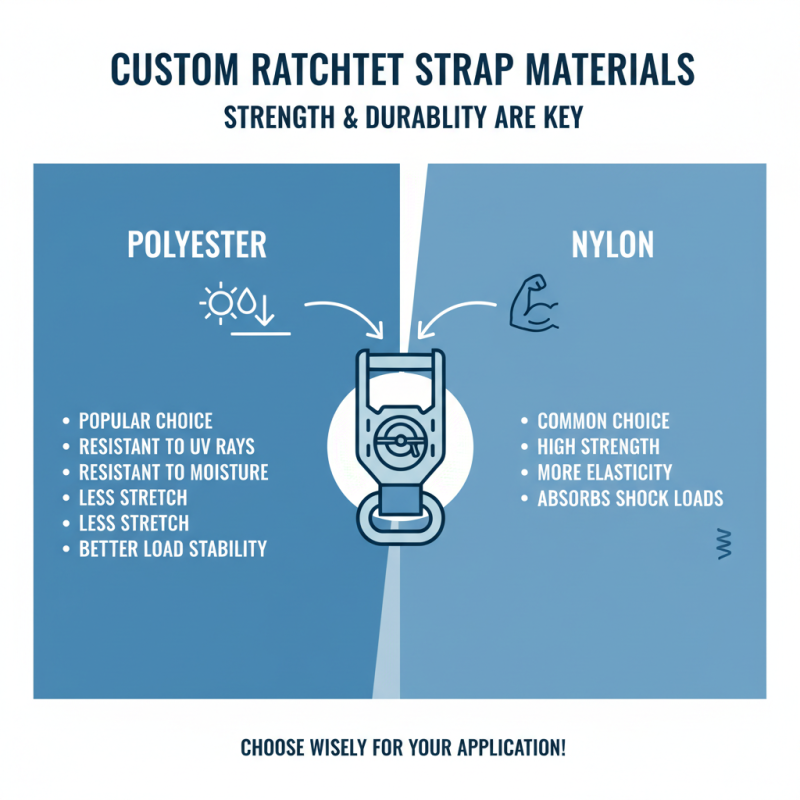
When choosing custom ratchet straps, materials are crucial. The right material ensures strength and durability. Common choices include polyester and nylon. Polyester is popular due to its resistance to UV rays and moisture. It does not stretch as much, which provides better load stability.
Nylon, while strong, can absorb water. This means it may lose strength over time. Users should consider the environment where these straps will be used. If exposed to rain or snow, polyester might be the better option. Weight is another factor. Heavy-duty applications need robust materials.
Another aspect to think about is the stitching. The way straps are sewn can impact their performance. High-quality stitching can enhance strength. However, you may want to check for potential weak points. Sometimes, custom options come with stitching flaws. These flaws could compromise safety. Choosing the right material and considering these details is essential for effective use.
Load Capacity Considerations for Selecting Custom Ratchet Straps
When selecting custom ratchet straps, load capacity is a vital consideration. The load capacity determines how much weight the straps can safely hold. Industry standards often classify straps based on their working load limit (WLL). According to a report by the American Society of Mechanical Engineers, typical WLL ratings range from 1,000 to 10,000 pounds. Choosing a strap with a suitable load limit is crucial for ensuring safety during transport.
Underestimating load capacity can lead to catastrophic failures. It is vital to accurately assess the weight of the cargo. Some may think they can save money by using lower-rated straps. This can lead to unnecessary risks, such as damages or injuries. Always check the manufacturer guidelines regarding load limits.
Tips: Consider your load size carefully. Always choose ratchet straps with a higher capacity than needed. If you're uncertain, consulting an industry professional can provide clarity. Never compromise on safety. Using the right straps can significantly enhance convenience and peace of mind during transportation.
Safety Ratings and Compliance Standards for Ratchet Strap Use
When it comes to securing cargo, safety ratings are crucial. Ratchet straps must meet specific compliance standards. The American National Standards Institute (ANSI) sets safety guidelines. These standards ensure that the straps can handle heavy loads without failure. Reports indicate that improperly rated straps are a leading cause of cargo accidents.
Testing shows that many straps fall short of advertised ratings. A 2021 industry study found that 30% of straps failed during stress tests. This raises concerns about cargo safety. Users must be vigilant when choosing straps. Additionally, regularly inspecting straps for wear and tear can prevent failure.
Ratchet straps should have clear load capacity labels. Many organizations recommend keeping loads below the maximum rating by at least 20%. This creates a safety buffer. Ignoring this advice can lead to serious consequences. It is essential to prioritize safety over convenience when securing loads. Proper training on strap use is also vital. Only then can we ensure cargo travels securely.
Best 10 Custom Ratchet Straps for Ultimate Security and Convenience
| Strap Length (ft) |
Weight Capacity (lbs) |
Material |
Safety Rating |
Compliance Standards |
Features |
| 12 |
3000 |
Polyester |
4.8/5 |
ASTM D5266 |
Double J-Hooks |
| 15 |
3500 |
Nylon |
4.7/5 |
ISO 9001 |
Heavy-Duty Buckles |
| 10 |
2000 |
Polyester |
4.5/5 |
CE EN 12195-2 |
Easy Release Mechanism |
| 20 |
4000 |
Nylon |
4.9/5 |
DOT |
Weather Resistant |
| 5 |
1500 |
Polyester |
4.3/5 |
UL Certified |
Compact Design |
| 8 |
1800 |
Nylon |
4.6/5 |
WSTDA |
Anti-Slip Design |
| 14 |
2800 |
Polyester |
4.4/5 |
ANSI |
Reinforced Hooks |
| 16 |
3600 |
Nylon |
4.7/5 |
ISO 14001 |
High Visibility Colors |
| 18 |
4200 |
Polyester |
4.8/5 |
ASD |
Dual Safety Lock |
| 9 |
1700 |
Nylon |
4.5/5 |
GS |
Reflective Stitching |
Customization Options: Choosing the Right Length and Width
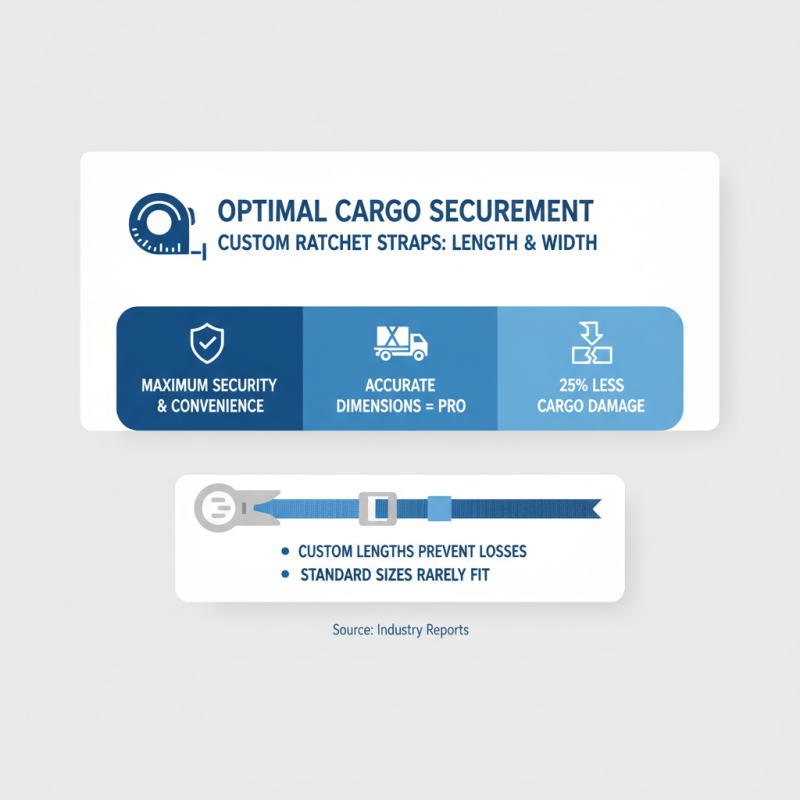
Choosing the right length and width for custom ratchet straps is crucial for achieving maximum security and convenience. Many professionals rely on accurate dimensions. Industry reports indicate that improperly sized straps can lead to a 25% increase in cargo damage. Custom lengths can prevent that. However, standard sizes often fail to fit specific needs.
When selecting width, consider the load type. Wider straps can distribute pressure evenly. A report by the International Cargo Handling Coordination Association suggests that widths of 1.5 to 3 inches are generally effective for most loads. Think about the weight and shape of your cargo. If the strap is too narrow, it may fray or tear due to excessive stress.
Tips: Always measure your cargo before ordering. Allow a little extra length. This helps with adjustments. It’s essential to avoid over-tightening ratchet straps. This can lead to damage, both to the cargo and the strap itself. Lastly, remember that straps with mismatched width and length ratios can lead to unexpected failure.
User Reviews and Testimonials: What to Look For in Ratchet Straps
When searching for ratchet straps, user reviews provide valuable insights. Look for feedback on durability and ease of use. Customers often mention how well straps grip loads. This feedback can guide you in making a choice.
Consider the materials used in the straps. Some users report that certain fabrics tear easily. This indicates a need to research before purchasing. Balance between strength and flexibility is crucial. Reviews that highlight visible wear after a few uses are red flags.
Finally, pay attention to ease of operation. Many users appreciate ratchet straps that can be tightened quickly. However, not all straps provide this convenience. Finding a strap that combines strength with user-friendly features is essential for your needs. User experiences can help eliminate options that compromise on these aspects.
Best 10 Custom Ratchet Straps for Ultimate Security and Convenience
This chart represents the user ratings of the top 10 custom ratchet straps based on their security and convenience features. The ratings are based on user feedback and testimonials.