A Pipeline Strainer can look like a minor fitting: a metal body, a removable screen, and a drain plug. In service, however, its opening size and pressure drop can affect pump protection, flow, and maintenance intervals. The U.S. Department of Energy’s Improving Pumping System Performance: A Sourcebook for Industry (2006) treats pumps as parts of larger systems, reinforcing why strainer selection should account for the full operating circuit—not just the pipe diameter.
That matters on a real line. A screen that catches debris too finely may clog quickly; one that is too open may let damaging particles reach downstream equipment. Startup contamination, fluid viscosity, available cleaning access, and differential-pressure monitoring all deserve attention. Small details. Costly consequences.
This guide compares ten Pipeline Strainer options for industrial buyers, focusing on construction, connection style, screen access, and practical service needs. It is intended as a selection aid, not a substitute for checking process conditions or manufacturer data. One limitation: no verifiable expert interview or quotation was supplied, so I have not attributed a statement to a named industry specialist. A made-up quotation would undermine the reliability this topic requires.
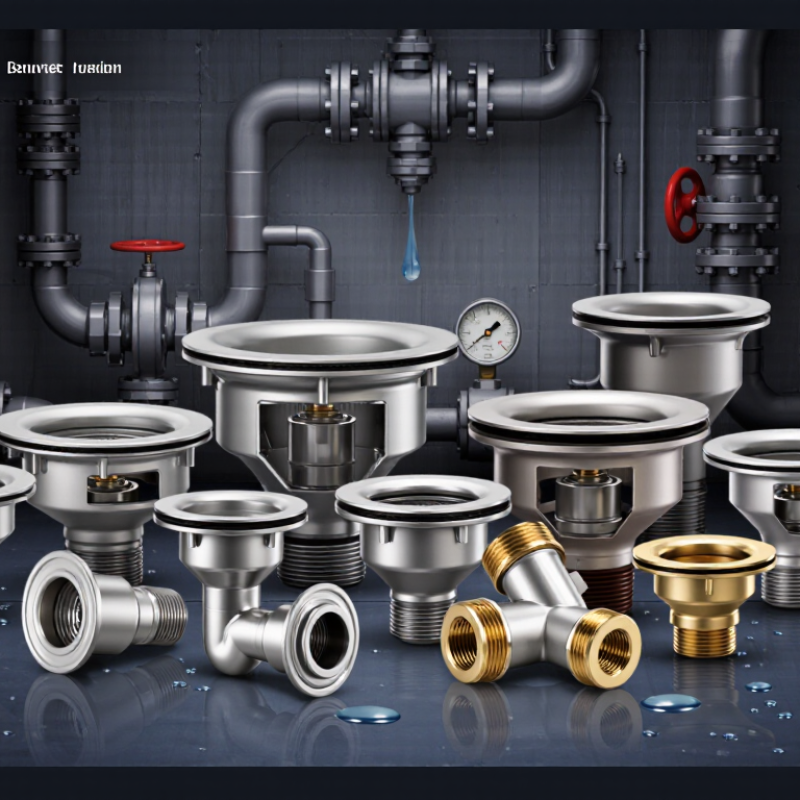
A pipeline strainer is an inline device that captures solid debris before it reaches pumps, control valves, meters, or heat exchangers. Its screen or perforated basket may stop weld slag, rust flakes, scale, and other particles carried by the fluid. The openings must suit the process: a finer screen catches smaller debris but can clog faster and restrict flow. Small details matter. A sudden rise in pressure difference across the strainer can signal a loaded screen, while a drop in downstream flow may indicate trouble. The U.S. Department of Energy’s 2002 United States Industrial Electric Motor Systems Market Opportunities Assessment estimated that motor-driven systems used 63% of U.S. industrial electricity. That figure does not measure strainer savings, but it shows why protecting pump-driven processes matters.
In practice, strainers help limit wear and unplanned stoppages, especially during startup or after pipe maintenance. Operators commonly check the screen, cleanout access, and pressure readings as part of routine inspection. A strainer is not a cure-all. It will not remove dissolved contaminants, and an undersized unit can create excessive pressure loss. Selection should consider fluid, operating temperature, flow rate, particle size, and acceptable pressure drop. One detail is easy to overlook: a basket that catches debris still needs safe access for cleaning. The right choice protects equipment without becoming the system’s bottleneck.
Pipeline strainers remove unwanted solid particles from flowing liquids, gases, or steam to help protect pumps, valves, meters, heat exchangers, and other downstream equipment. The configurations below are commonly used in industrial systems; the appropriate choice depends on the fluid, debris load, required screen opening, allowable pressure drop, maintenance plan, and operating conditions.
| Strainer configuration | How it works | Typical applications | Main advantage | Selection considerations |
|---|---|---|---|---|
| Y-type strainer | A screen sits in an angled branch of the Y-shaped body and retains debris as fluid passes through. | Liquid, gas, and steam lines where a compact inline unit is useful. | Compact, versatile, and available in a broad range of materials and pressure classes. | Check screen access and cleaning frequency; the debris pocket may require periodic shutdown or isolation for service. |
| Simplex basket strainer | Fluid flows through a removable basket element housed in a larger chamber. | Liquid lines with moderate or heavier solids loading and room for a larger strainer body. | The basket can provide more debris-holding capacity than many compact strainers. | Typically requires flow interruption or a bypass during basket removal unless the system has another arrangement. |
| Duplex basket strainer | Two strainer chambers are connected through a changeover valve so flow can be directed through one chamber while the other is cleaned. | Continuous-duty liquid services where stopping flow for routine cleaning is undesirable. | Allows one basket to be serviced while the other remains in operation, when properly operated. | Confirm changeover-valve design, chamber sizing, venting, draining, and safe maintenance procedures. |
| T-type strainer | A screen is fitted inside a tee-shaped body, with a removable cover or closure for access. | Large-bore or high-capacity lines, including installations where piping layout favors a tee body. | Can be configured for larger pipelines and substantial flow capacity. | Allow adequate space to remove the screen and verify the pressure drop at the required flow rate. |
| Temporary conical strainer | A cone-shaped screen is installed between flanges to catch construction debris during commissioning or initial operation. | Pipeline flushing, startup, and commissioning, where temporary protection is specified. | Simple temporary protection against scale, weld slag, and other installation debris. | Not generally intended as a permanent strainer; monitor pressure drop and remove it according to the commissioning plan. |
| Automatic backwashing strainer | A control system initiates a cleaning cycle that reverses flow locally or uses a directed flush to remove accumulated solids. | Continuous liquid processes with recurring particulate loading and limited manual-cleaning access. | Can reduce routine manual cleaning and maintain operation through automated cycles. | Requires suitable controls, a cleaning discharge arrangement, and solids that the cleaning cycle can dislodge. |
| Mechanically cleaned scraper strainer | A moving scraper or cleaning element removes deposits from the screening surface, often discharging them through a purge connection. | Liquid services where sticky or fibrous debris can build up on a screen. | Provides active cleaning for applications where passive screens may foul quickly. | Moving parts need maintenance; confirm that the debris type and process conditions suit the cleaning mechanism. |
| Steam strainer | Usually a Y-pattern unit with a screen and a blowdown connection arranged for steam-line service. | Steam lines upstream of control valves, traps, meters, and other equipment sensitive to debris. | Helps intercept pipe scale and other particles in steam service; blowdown can assist with debris removal where designed for it. | Install in the orientation specified by the manufacturer and account for condensate drainage, thermal conditions, and safe blowdown. |
| Fabricated large-bore basket strainer | A purpose-designed housing holds a removable screen basket sized for a large pipeline or specific process duty. | Water intake, cooling-water, and other large-flow liquid systems. | Can be engineered for large flow rates, site-specific connections, and substantial debris capacity. | Review structural design, screen support, lifting and access requirements, corrosion resistance, and pressure-drop data. |
| Duplex Y-type strainer arrangement | Two Y-type strainers are installed with suitable isolation and changeover piping so one can be cleaned while flow uses the other. | Continuous-operation services where a compact strainer body is preferred and planned changeover piping is feasible. | Provides a maintainable alternative to a single inline strainer when flow interruption must be minimized. | The complete piping and valve arrangement must support safe changeover and prevent unintended flow interruption. |
Buyer note: Screen opening, material, pressure rating, temperature rating, connection type, and allowable pressure drop are application-specific. Confirm these against process data and applicable engineering requirements; do not select a strainer by mesh count alone.