China Top Carbon Steel Sheet Supplier for Global Buyers
Choosing a reliable Carbon Steel Sheet Supplier requires more than comparing prices on a spreadsheet. Global buyers need consistent grades, accurate dimensions, traceable documentation, and dependable shipping arrangements. China has a mature steel manufacturing base, supported by integrated mills, processing centers, and experienced export teams. Yet capability differs between suppliers. Careful evaluation remains essential.
A qualified supplier should explain material grades, thickness ranges, width tolerances, surface conditions, and production capacity clearly. Buyers should request mill test certificates, inspection records, sample photographs, and packaging details before placing large orders. Practical experience also matters. Sheets should arrive with stable edges, protected surfaces, and labels that match the contract. Moisture-resistant wrapping and reinforced steel straps can reduce damage during long sea transport.
Quality comes first.
Reliable suppliers usually maintain documented quality systems and cooperate with independent inspection agencies when required. They should understand standards such as ASTM, EN, JIS, or GB, while confirming which specification governs the order. Communication is another useful test. Does the supplier answer technical questions directly? Does it report delays honestly? These details reveal operational maturity.
No supplier is perfect. Even experienced exporters may face production changes, port congestion, or misunderstandings about tolerances. A stronger partner acknowledges these risks and offers practical solutions. Buyers should review payment terms, lead times, claims procedures, and after-sales support with equal care. By combining technical verification with clear communication, international purchasers can identify a China-based Carbon Steel Sheet Supplier that delivers reliable material, transparent service, and long-term commercial value.
China’s Carbon Steel Sheet Industry and Global Supplier Landscape
China Top Carbon Steel Sheet Supplier for Global Buyers
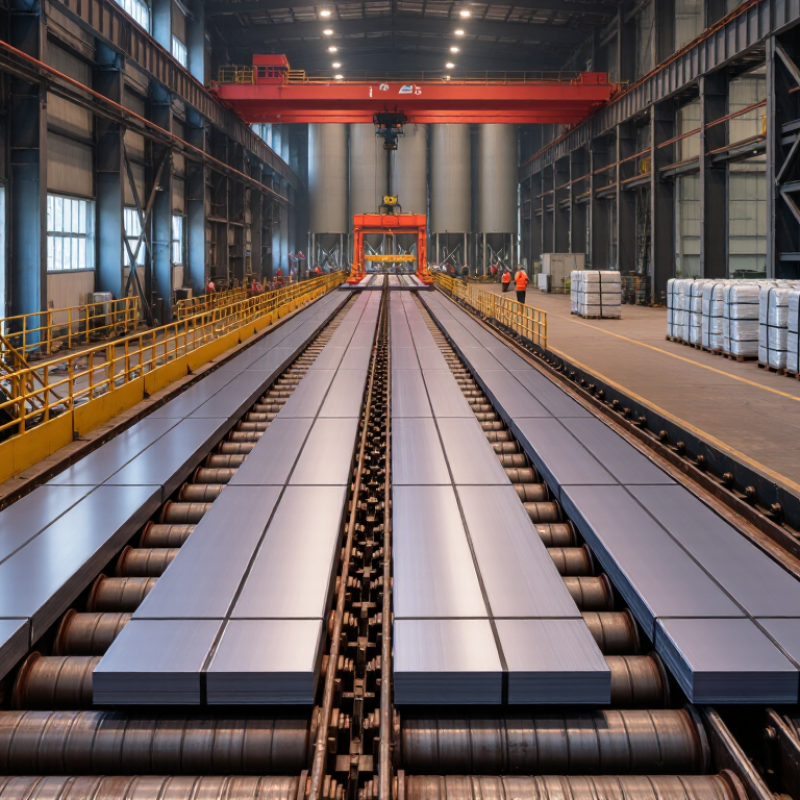
China’s carbon steel sheet industry serves construction, machinery, energy, transport, and general fabrication markets. Production ranges from hot-rolled sheets for structural work to cold-rolled sheets for cleaner surfaces and tighter dimensions. Suppliers often include large mills, regional processors, and export-focused service centers. Their capabilities can differ greatly.
Global buyers should assess more than price. Review chemical composition, yield strength, tensile strength, thickness tolerance, surface condition, and cutting accuracy. Ask for recent mill test certificates and independent inspection options. Experienced buyers also compare production capacity, packaging quality, port access, and response times. A low quotation may hide extra processing, uneven flatness, or weak export handling. I have seen specifications become unclear when buyers rely on casual messages instead of approved drawings.
Tips: Define the grade, dimensions, quantity, edge condition, and inspection method before requesting offers. Request samples when surface quality matters. Check whether documents match the actual heat number. Confirm rust protection for humid routes. Small details matter.
The supplier landscape is competitive, but consistency remains the real test. A capable partner should explain tolerances plainly and admit technical limits. That honesty is useful. Buyers should also review production records, loading photos, and contract terms before shipment. Standards may vary by destination, so local engineering review is still necessary.
Carbon Steel Sheet Grades, Standards, and Key Product Specifications
Carbon steel sheet remains a practical choice for construction, machinery, transport, and fabricated structures. The World Steel Association reported 1.89 billion tonnes of global crude steel production in 2023, with China contributing about 1.02 billion tonnes. This scale supports broad grade availability, but buyers still need careful technical screening.
Common grades include Q235B and Q355B under GB/T 700 and GB/T 1591. Q235B offers a minimum yield strength near 235 MPa, while Q355B reaches about 355 MPa. S235JR and S355JR follow EN 10025-2, with comparable strength classes. ASTM A36 typically provides 36 ksi minimum yield strength. ASTM A572 Grade 50 provides 50 ksi. Strength is only one part of the decision.
Thickness, width, flatness, surface condition, and edge type should appear clearly on the purchase specification. EN 10029 and ASTM A6 define important dimensional and tolerance requirements. A reliable supplier should provide heat numbers, chemical analysis, mechanical test results, and a mill test certificate. For welded structures, carbon content and carbon equivalent deserve close attention. High carbon content can increase cracking risk during fabrication. That detail is sometimes overlooked.
The buyer should also confirm whether the sheet is hot rolled, pickled, oiled, normalized, or shot blasted. Those conditions affect forming, coating, and storage. Published standards help, but they do not replace inspection. In practice, tolerance disputes still occur when drawings use unclear measurements. A technically complete order prevents many costly corrections.
Manufacturing Processes and Quality Control in Chinese Steel Mills
China Top Carbon Steel Sheet Supplier for Global Buyers
Chinese steel mills produce carbon steel sheets through controlled stages, from molten metal to finished coils or cut plates. Ironmaking supplies hot metal, while basic oxygen or electric arc furnaces adjust the steel grade. Ladle refining removes unwanted elements and fine-tunes carbon, manganese, sulfur, and phosphorus levels.
Continuous casting and rolling Continuous casting forms slabs with stable thickness. Reheating furnaces then prepare them for hot rolling. Roll gaps, cooling rates, and finishing temperatures affect strength, flatness, and surface quality. Some sheets receive pickling, oiling, cold rolling, or leveling for tighter tolerances. Inspectors check thickness at several coil positions, not only at the beginning.
Quality control should combine laboratory testing and production records. Spectrometers verify chemical composition. Tensile, bend, hardness, and dimensional tests confirm performance. Surface inspectors look for scale, cracks, edge defects, and dents under strong lighting. Each batch should carry traceable heat numbers and inspection certificates. Independent testing can add confidence for overseas buyers.
Tips: Ask for the production standard, tolerance range, test methods, and packing details before ordering. Request sample reports from the same production route. Verify whether the quoted thickness is nominal or minimum. Small differences matter.
No mill is perfect. Even careful cooling can create uneven properties across a wide coil. I have seen paperwork look complete while surface expectations remained unclear. Clear acceptance criteria and pre-shipment inspection prevent many avoidable disputes.
How Global Buyers Evaluate Chinese Carbon Steel Sheet Suppliers
Global buyers evaluate Chinese carbon steel sheet suppliers through evidence, not attractive quotations alone. They check whether the supplier understands the required grade, thickness tolerance, surface condition, and applicable technical standard. A serious supplier should provide clear mill test certificates, heat numbers, chemical analysis, and mechanical test results. These records must match the shipped material.
Production capability also matters. Buyers often review rolling equipment, inspection methods, warehouse conditions, and packing procedures. Photos are useful, but an independent factory audit can reveal more. Ask how sheets are protected from moisture during export. Check whether each bundle carries readable identification. Small details matter.
Communication shows operational reliability. Suppliers should answer technical questions directly and confirm specifications in writing. They should explain realistic lead times, minimum order quantities, loading plans, and document schedules. A low price may hide weak traceability or inconsistent thickness. I have seen evaluations focus too heavily on cost. That approach can create expensive corrections later. No supplier assessment is perfect. Buyers should compare samples, certificates, inspection results, and delivery performance over time. A practical trial order can expose gaps before larger commitments. Then review what went wrong, even when the shipment arrives smoothly.
China Top Carbon Steel Sheet Supplier for Global Buyers
How Global Buyers Evaluate Chinese Carbon Steel Sheet Suppliers
Minimum yield strength is a key technical reference when global buyers compare carbon steel sheet suppliers. The values shown are minimum requirements for commonly specified grades: ASTM A36, ASTM A572 Grade 50, EN S275JR, and EN S355JR. Buyers should also verify chemical composition, dimensional tolerances, surface quality, inspection documents, and compliance with the requested standard.
Reference values are based on commonly published ASTM and EN grade requirements. Applicable values may vary by product thickness and standard edition.
Ordering, Inspection, Shipping, and Import Compliance Considerations
China Top Carbon Steel Sheet Supplier for Global Buyers
Reliable carbon steel sheet purchasing starts with precise specifications. State the grade, thickness tolerance, sheet dimensions, surface condition, and required quantity. Ask for a formal quotation with production lead time, packaging details, and payment milestones. Experienced buyers request a mill test certificate before shipment. It should match the heat number marked on the material. A certificate alone is not proof. Independent inspection can verify thickness, flatness, surface defects, and steel grade through sampling. Small checks prevent expensive disputes.
Tips: Keep one approved sample beside the purchase order. Photograph bundles before loading. Confirm that labels show heat numbers, sizes, weights, and bundle counts. Use moisture-resistant wrapping and strong steel strapping, especially for long sea routes. Desiccants may help inside containers, but they cannot replace dry storage and proper ventilation.
Shipping documents must be reviewed before departure. Common requirements include the commercial invoice, packing list, bill of lading, certificate of origin, and mill test certificate. Confirm the correct HS classification with a qualified customs broker. Import duties, product standards, labeling rules, and trade remedies vary by destination. Never estimate these costs from an old order. Even careful teams miss a tolerance note or an incorrect net weight. A final document review, matched against the contract and inspection report, improves clearance reliability.