How to Choose the Right Lifting Hook for Your Needs?
Choosing the right lifting hook for your specific needs can be a daunting task. With so many options available, it’s crucial to understand their distinct features. Industry expert Johnathan Mills once stated, “The right lifting hook not only ensures safety but also increases efficiency in operations.” This emphasizes the importance of making an informed choice.
When selecting a lifting hook, consider factors like load capacity, material, and design. For instance, hooks made from high-strength steel offer durability and reliability, critical in heavy-duty applications. Different designs, such as clevis or eye hooks, cater to specific operational requirements. The right fit can enhance performance and prevent accidents.
However, it’s essential to reflect on the limitations within your context. Not every lifting hook will suit your environment or equipment. Assess your needs carefully. Understanding these elements may require extra research, but it ultimately leads to safer and more effective lifting practices.
Understanding the Different Types of Lifting Hooks Available in the Market
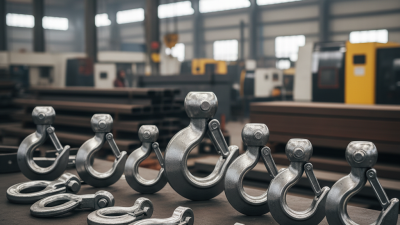
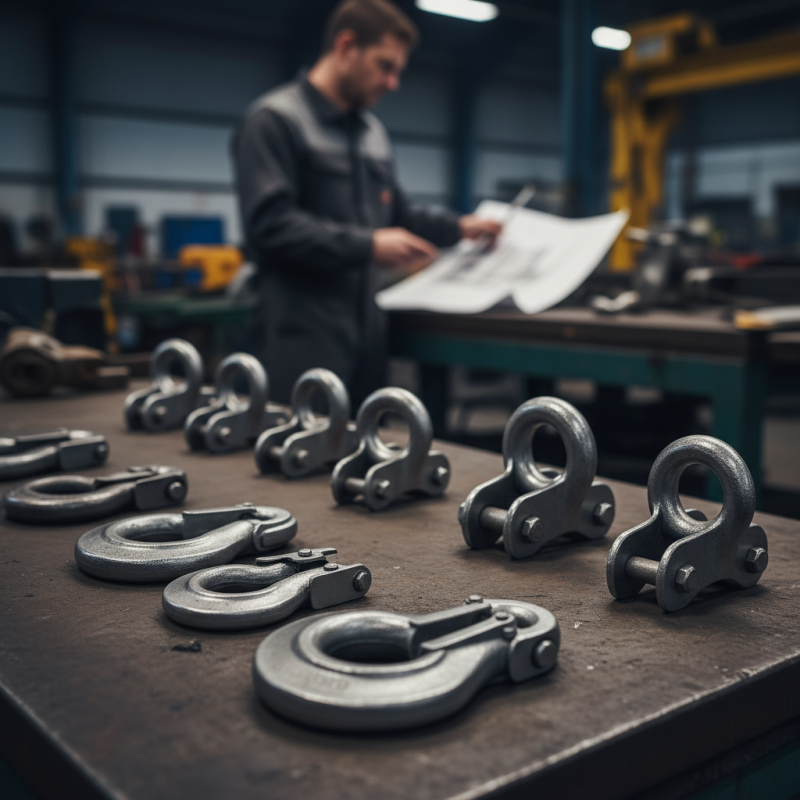
When selecting the right lifting hook, understanding the available types is crucial. Lifting hooks come in various shapes and sizes, designed for different applications. Common types include swivel hooks, grab hooks, and latch hooks. Each type serves a unique purpose in material handling, whether in construction, transportation, or manufacturing.
Swivel hooks offer flexibility in load positioning. They allow the load to rotate freely, which can prevent accidents. Grab hooks are often used for securing items tightly. They are adjustable and can accommodate various load shapes. Latch hooks provide an extra layer of security. Their latching mechanism keeps the load in place, reducing the chances of slippage during transport.
Tips: Always check the weight limit of the hook. Using a hook beyond its capacity can lead to serious accidents. Ensure the hook's design matches your specific needs. For instance, choose a swivel hook for jobs requiring heavy rotation. Finally, consider the material. Steel is durable, but may not be suitable for every environment.
Key Factors to Consider When Choosing a Lifting Hook
When selecting a lifting hook, several key factors warrant careful consideration. Safety is paramount. According to industry reports, improper hook selection accounts for nearly 30% of lifting accidents.
Choosing hooks with the appropriate load capacity can help prevent failures. Always consult the manufacturer's specifications and adhere to recommended weight limits.
Another essential factor is material quality. Hooks are often made from alloy steel or other durable materials, which offer superior strength. A report from the International Organization for Standardization states that hooks made from high-grade materials can withstand overloads better than those made from inferior materials. Additionally, inspect the hook for signs of wear or deformation. Regular maintenance can extend the life of your lifting equipment and enhance safety.
It's also vital to consider the hook's design. Different types of hooks serve various applications. For instance, a swivel hook allows for easier movement during lifts.
However, not all tasks require such complexity. Sometimes, a simple design is more effective. Reflect on your specific needs versus the available options to make an informed choice.
Load Capacity and Safety Ratings: Ensuring Compliance with Industry Standards
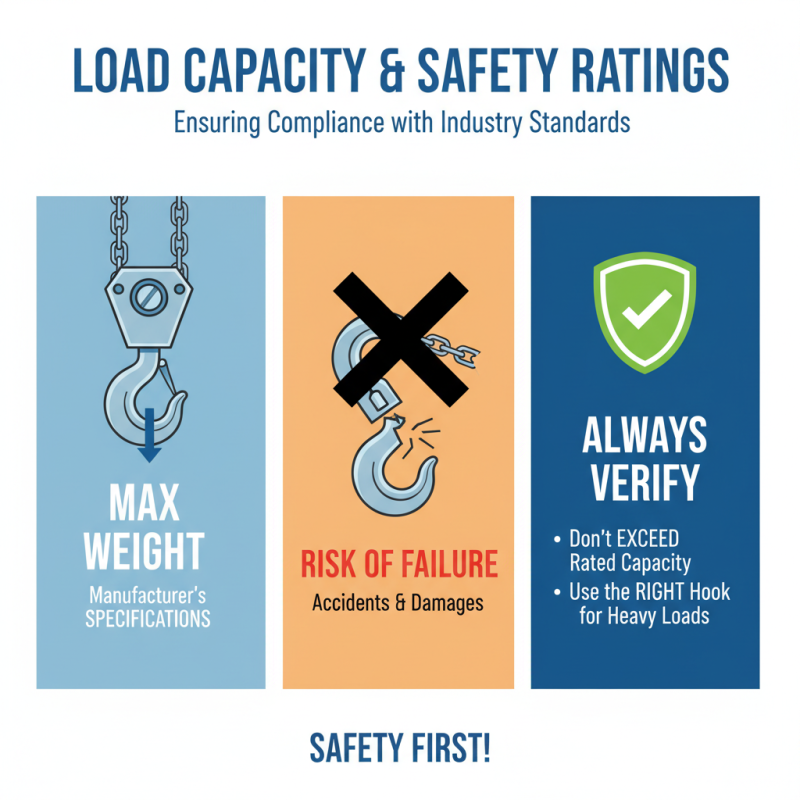
When selecting a lifting hook, understanding load capacity and safety ratings is crucial. The load capacity refers to the maximum weight a hook can support. Using a hook beyond its rated capacity creates risks. It can lead to failures, causing accidents or damages. Always verify the manufacturer's specifications. Don’t assume any lifting hook will suffice for heavy loads.
Safety ratings indicate compliance with industry standards. Identifying reputable safety certifications is essential for reliability. These ratings demonstrate that the hook has undergone rigorous testing. However, flaws can still exist. Inspect hooks regularly for signs of wear or damage. Sometimes, a seemingly small issue can lead to serious consequences.
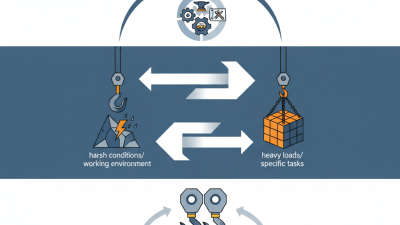
Consider your specific application and environment. Hooks used in extreme conditions may require higher safety ratings. Reflect on your choices and avoid following trends blindly. Knowledge and awareness are vital in making an informed decision. Each lifting situation is unique, and one-size-fits-all solutions don’t always work. Prioritize safety and efficiency as you select the right lifting hook.
Material Selection: How Hook Composition Affects Performance and Durability
When selecting a lifting hook, material choice is crucial. Different materials yield varying performance levels. Common compositions include steel, aluminum, and synthetic materials. Each option provides distinct benefits but also poses limitations. For instance, steel hooks offer high strength but can corrode over time. Aluminum hooks are lighter yet may lack the strength needed for heavy loads.
Thinking critically about usage is essential. Consider the environment where the hook will be used. If moisture is present, stainless steel may be preferable due to its corrosion resistance. On the other hand, synthetic hooks are suitable for specific applications like delicate handling, despite lower weight capacities. Reflecting on long-term usage can reveal potential drawbacks like wear and tear.
Understanding these nuances ensures better decision-making. Weigh performance against durability. For instance, a light aluminum hook might fail under heavy strain, where a robust steel one could excel. It’s vital to assess your needs carefully, considering strength, weight, and environmental factors. This way, you can choose a hook that suits your specific requirements and maintains safety.
Maintenance and Inspection: Best Practices for Ensuring Lifting Hook Longevity
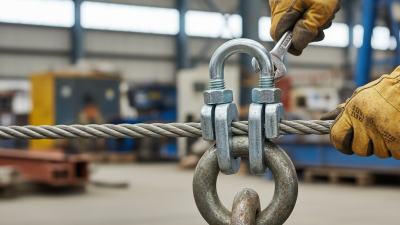
When it comes to lifting hooks, proper maintenance is crucial for longevity. Regular inspection helps identify wear and tear. Check for cracks, deformation, or rust. Even small imperfections can lead to serious failures. Cleaning the hooks after use is essential. Dirt and debris can cause hidden damage over time. A simple wipe-down can prolong their life.
Set a routine for more thorough examinations. Depending on usage, this can be monthly or quarterly. Keeping a log can also help track inspections. Sometimes, we overlook minor issues until they escalate. It’s easy to bypass checks when you’re busy. However, neglecting these practices can be costly.
Training staff on best practices is equally important. Ensure they understand how to inspect and maintain the hooks. Encourage a culture of safety and responsibility. There may be times when a hook appears fine but may not perform under stress. Trust your instincts during inspections. Look beyond what’s visible. Regular maintenance and awareness can save lives.