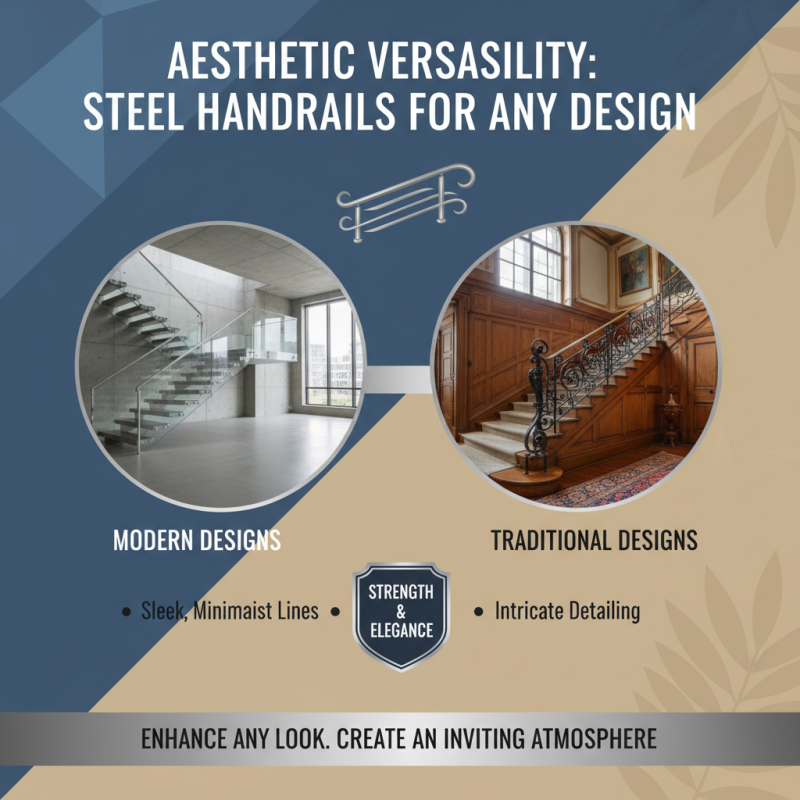
Why Choose Steel Handrail for Your Project Needs?

When considering materials for your project, the choice of railing is crucial. Steel handrail stands out for various reasons. It offers durability and strength, making it suitable for both indoor and outdoor use. Unlike wood or plastic, it withstands harsh weather conditions. This reliability ensures safety in high-traffic areas.

Moreover, steel handrail provides a sleek, modern look. Its versatility allows for customization, matching various architectural styles. This feature can enhance the overall aesthetic of your project, creating a polished finish. However, installation may require professional expertise. Improper installation can lead to structural issues down the line.

In addition to aesthetics, maintenance is an essential factor. Steel handrails are generally low-maintenance but can rust if not properly treated. Regular checks and maintenance are necessary to maintain their appearance and functionality. Investing in quality steel handrail is not just a decision; it's a commitment to safety and style.
Why Choose Steel Handrail for Your Project Needs?

Advantages of Steel Handrails in Construction Projects

Steel handrails are an excellent choice for various construction projects. They offer a blend of durability, safety, and aesthetic appeal. According to a report by the National Association of Home Builders, nearly 75% of construction professionals prefer using steel due to its strength and resilience. Steel handrails withstand heavy use and harsh conditions, making them ideal for both indoor and outdoor environments.


Safety is paramount in construction. Steel handrails provide stability and support, reducing the risk of slips and falls. Statistics from the Occupational Safety and Health Administration (OSHA) indicate that falls account for 36% of all construction-related fatalities. Implementing steel handrails can significantly lower these risks.


Tips: When selecting handrails, consider the gauge and finish of the steel. A higher gauge indicates a thicker and more robust handrail. Regular maintenance is crucial to prevent rust, especially in outdoor settings. Always inspect handrails for any signs of wear. Small cracks can lead to significant issues over time, so don’t overlook them.


Choosing steel handrails not only enhances safety but also contributes to a project’s structural integrity. These handrails can elevate the overall design while ensuring compliance with building codes. Remember, investing in quality materials ultimately saves money and improves project outcomes.
Durability and Longevity of Steel Handrails

When considering materials for handrails, steel emerges as a top choice due to its exceptional durability and longevity. Steel handrails resist wear and damage much better than wood or plastic options. They can withstand harsh weather conditions, making them ideal for outdoor projects. Unlike wood, which can rot or warp, steel maintains its shape and strength over time.

Another advantage of steel handrails is their low maintenance requirement. A quick wash with soap and water keeps them looking good. They don't need regular refinishing or replacement, which saves time and money. However, it is vital to ensure the steel is treated against rust. In coastal areas, corrosion can happen, which requires attention to protect the investment.

While steel handrails can be more expensive upfront than other materials, their lifespan often justifies the cost. You might find the initial price daunting, but consider the long-term benefits. Investing in steel could save money later on. Always weigh options carefully, but steel handrails stand out for their strength and reliability in various settings.

Aesthetic Versatility: Steel Handrails for Any Design

Why Choose Steel Handrail for Your Project Needs?

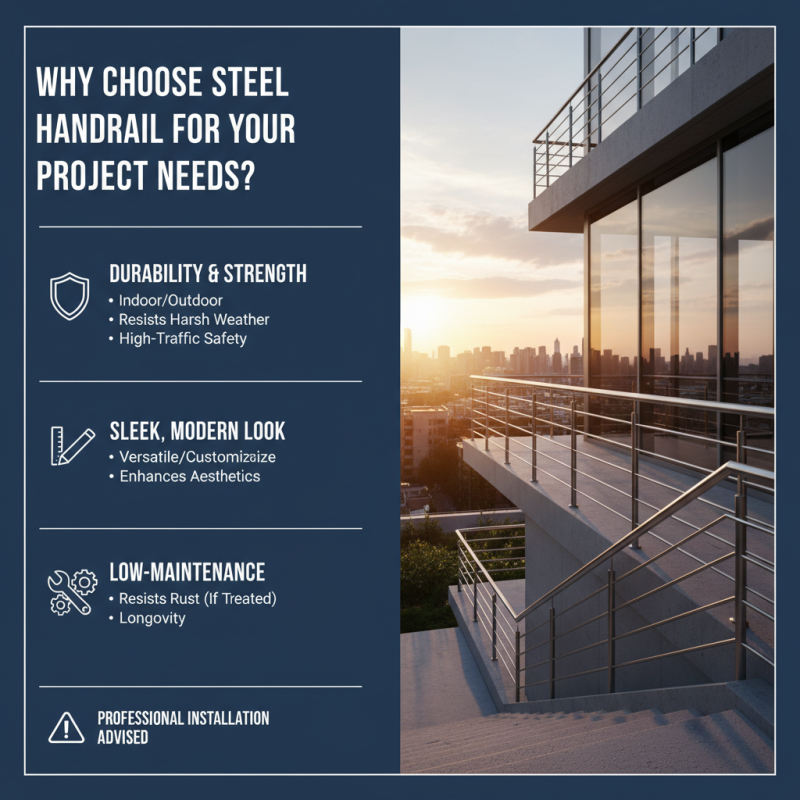
Steel handrails are an excellent choice for various architectural designs. Their aesthetic versatility makes them suitable for both modern and traditional projects. Whether your space features sleek minimalist lines or intricate detailing, steel handrails can enhance any look. The combination of strength and graceful design creates an inviting atmosphere.

When selecting steel handrails, consider the finish. A polished steel surface offers a contemporary flair, while a matte finish can provide a more understated elegance. These options allow for creativity and personalization, but remember that every choice has its implications. Regular maintenance is vital for polished finishes to prevent tarnishing.

Tips: Think about the overall theme. Does your design lean toward industrial, rustic, or contemporary? Align the handrail's style with your vision. Additionally, consult with professionals for installation. Their expertise can help avoid common pitfalls, ensuring a safe and beautiful addition to your space. Balancing form and function is key with steel handrails.

Safety and Compliance Standards for Steel Handrails

Steel handrails play a crucial role in ensuring safety in various environments. They must meet strict safety and compliance standards to minimize risks. The American National Standards Institute (ANSI) and the Occupational Safety and Health Administration (OSHA) provide guidelines that help in the design and installation of handrails. For instance, the recommended height for handrails in commercial settings is 34 to 38 inches, which facilitates proper grip and reduces the risk of falls.

Many industry reports highlight the effectiveness of steel handrails in improving safety. According to a study by the National Safety Council, falls account for approximately 8 million emergency room visits annually. A well-designed steel handrail can significantly mitigate this issue. Furthermore, steel's durability ensures long-lasting compliance with safety standards, reducing the need for frequent replacements.

Despite their advantages, some projects overlook the importance of rigorous adherence to codes. A significant percentage of installations fail to meet compliance, risking safety and incurring penalties. This highlights the necessity for project managers to prioritize the selection and installation of compliant handrails. Attention to detail in this area can ultimately save resources and enhance safety in the long term.

Steel Handrail Compliance Standards and Safety Ratings

Cost-Effectiveness of Steel Handrails Over Time

Steel handrails are increasingly popular in various projects for good reason. Their long-term cost-effectiveness is particularly noteworthy. Unlike other materials, steel exhibits exceptional durability. It withstands harsh weather and daily wear better than wood or plastic. This resilience means lower maintenance costs over time.

When considering your project, think about life cycle costs. Initial expenses might seem high, but steel handrails often last decades. This longevity can save significant funds on replacements and repairs. Additionally, steel can often be recycled, which adds another layer of value to your investment.

**Tip:** Regular inspections can help you identify any signs of wear early. This proactivity can save you from costly repairs later.

Another point to consider is aesthetics. Steel handrails can be designed in various styles and finishes. This versatility allows you to maintain visual appeal while ensuring safety. The balance between functionality and design is vital for any project.

**Tip:** Keep updates in mind. Trends change. Regularly reassess the appearance of your handrails to keep your project fresh.

Why Choose Steel Handrail for Your Project Needs? - Cost-Effectiveness of Steel Handrails Over Time

Feature Steel Handrail Wood Handrail Vinyl Handrail
Initial Cost $50 - $80 per linear foot $30 - $60 per linear foot $20 - $50 per linear foot
Lifespan 30+ years 10 - 15 years 20 years
Maintenance Requirements Minimal High (painting, sealing) Moderate (cleaning)
Rust Resistance High (when galvanized) Low High
Eco-Friendliness Recyclable Biodegradable but requires trees Recyclable