How to Choose the Best Stainless Steel Eye Bolts for Your Needs?
Choosing the right stainless steel eye bolts can significantly impact your projects. These hardware pieces are essential in many applications. They provide a reliable anchor point for securing objects. However, not all stainless steel eye bolts are created equal.
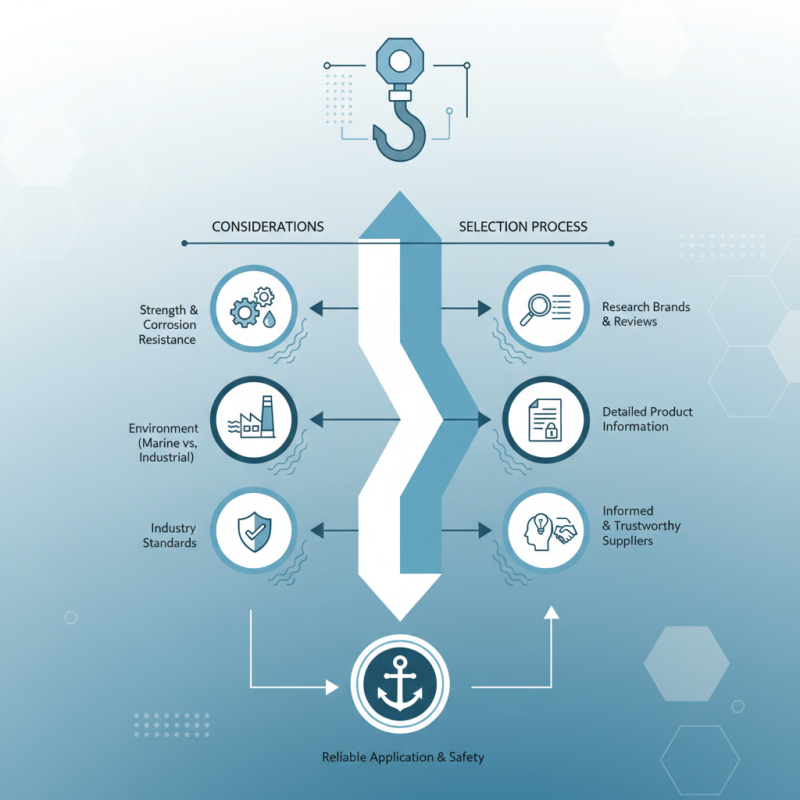
Consider your specific needs before making a choice. The grade of stainless steel influences strength and corrosion resistance. Reflect on where you will use the eye bolts. Marine environments require different specifications than industrial settings. Look for bolts that meet or exceed industry standards.
In the end, finding the best stainless steel eye bolts takes time. Investigate brands and read reviews. Trustworthy suppliers often provide detailed product information. Each decision affects the safety and effectiveness of your applications. Be thoughtful and informed in your selection process.
Understanding the Types of Stainless Steel Eye Bolts Available
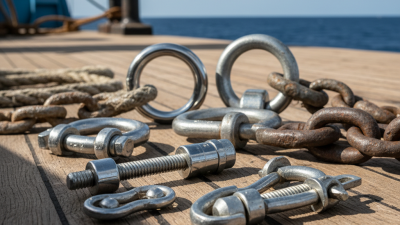
Stainless steel eye bolts come in various types, each serving different purposes. Understanding these types is crucial for making an informed choice. For instance, the most common types are standard, shoulder, and lifting eye bolts. Standard eye bolts have a simple loop design suitable for general applications. Shoulder eye bolts, however, provide a more secure attachment point due to their wider neck, which can better handle angular loads.
According to a recent industry report, the demand for stainless steel fasteners is projected to grow by 5% annually. This growth demonstrates the importance of quality materials in construction and engineering. Selecting the right type of eye bolt ensures the safety and durability of any project. The load capacity of each type varies significantly, with lifting eye bolts designed to handle heavy loads, sometimes exceeding 1,000 pounds when properly installed.
When choosing eye bolts, consider factors like corrosion resistance and load rating. Stainless steel grades such as 304 and 316 are popular due to their excellent resistance to rust and harsh environments. Still, some users overlook the specific requirements of their applications. Examining the work conditions is essential; a simple oversight could lead to unexpected failures under stress. Ultimately, ensuring the correct selection is vital for both safety and functionality.
How to Choose the Best Stainless Steel Eye Bolts for Your Needs?
| Type of Stainless Steel Eye Bolt |
Material Grade |
Load Capacity (lbs) |
Corrosion Resistance |
Ideal Applications |
| Standard Eye Bolt |
AISI 304 |
1,500 |
Moderate |
Marine, Construction |
| Heavy Duty Eye Bolt |
AISI 316 |
3,000 |
High |
Offshore, Chemical |
| Shouldered Eye Bolt |
AISI 304 |
2,000 |
Moderate |
Machinery, Lifting |
| Eye Nut |
AISI 316 |
1,000 |
High |
Marine, Rigging |
Factors to Consider When Choosing Stainless Steel Eye Bolts
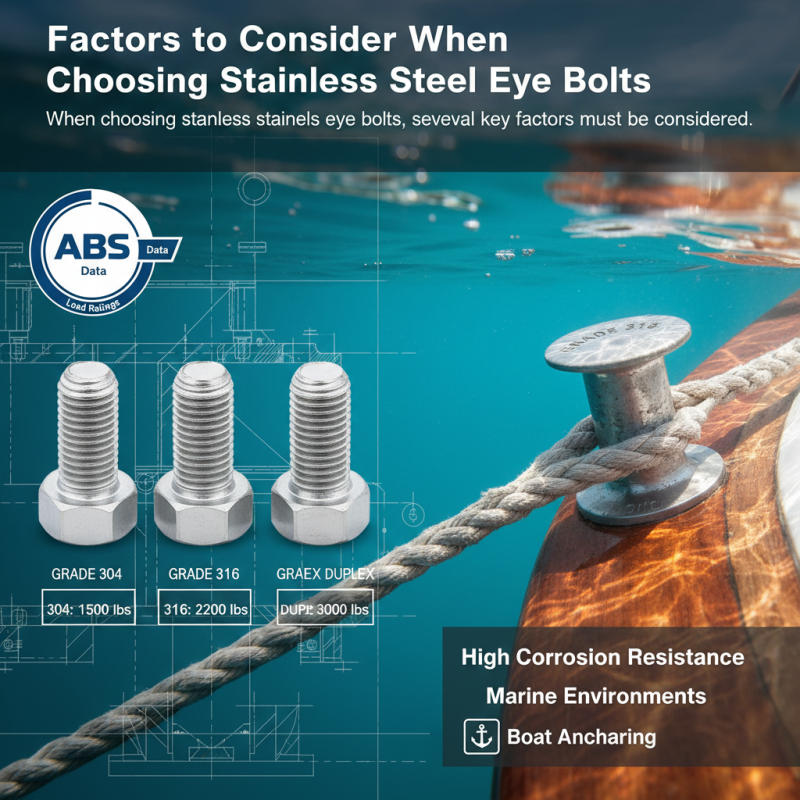
When choosing stainless steel eye bolts, several key factors must be considered. First, assess the load capacity required for your application. Data from the American Bureau of Shipping indicates that different eye bolt grades offer varying load ratings. For example, grade 316 stainless steel is known for its high resistance to corrosion, especially in marine environments, making it a preferred choice for boat anchoring.
Next, consider the diameter and thread type of the eye bolt. A report from the International Organization for Standardization illustrates a correlation between bolt diameter and tensile strength. Larger diameters generally provide better strength, but may not be suitable for all projects. The right thread size ensures secure attachment and proper fit, reducing the risk of failures under load.
Another essential factor is the environment in which the eye bolts will be used. Eye bolts exposed to harsh conditions, such as saltwater or chemicals, require higher corrosion resistance. According to industry standards, using a proper finishing process can significantly enhance durability. However, even with high-quality materials, improper installation can lead to performance issues. Always inspect the bolts and connections regularly.
Assessing Load Capacity and Strength Requirements
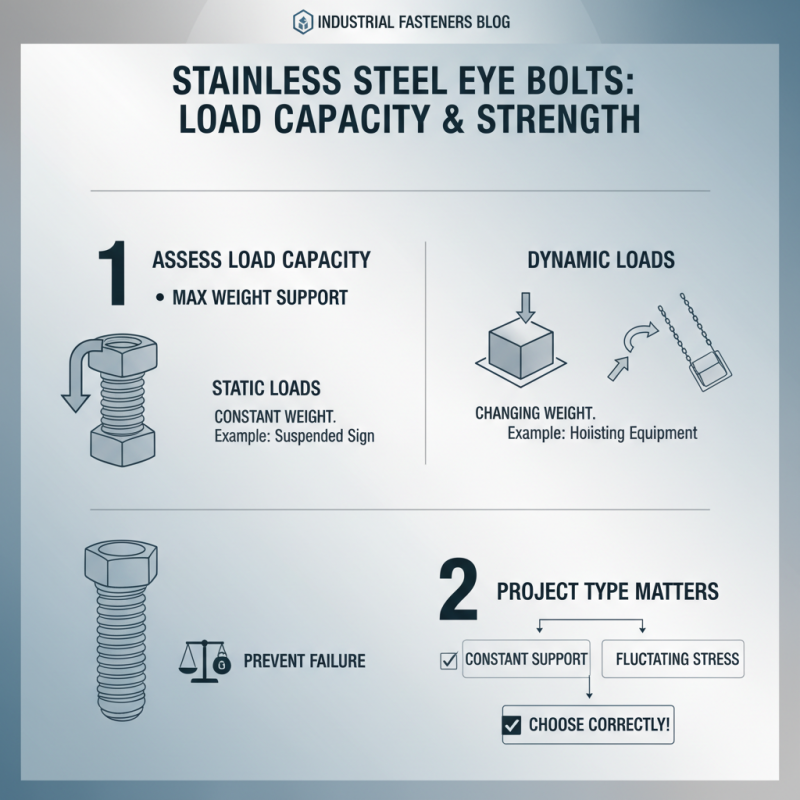
When choosing stainless steel eye bolts, assessing load capacity is crucial. Load capacity refers to how much weight an eye bolt can support without failing. Consider the specifics of your project. Will the bolt experience static or dynamic loads? Static loads are constant, while dynamic loads change over time. Understanding this difference guides your selection.
Another important aspect is the strength requirements of the eye bolt. Stainless steel varies in strength due to different alloy compositions. Some types offer higher tensile strength, which is essential for heavy-duty applications. Look for information on the eye bolt's material specifications. This will help you gauge if it meets your needs, considering factors like environment and potential corrosion.
Reflect on your unique requirements. Not all projects demand the strongest option. Oversizing can be unnecessary and costly. Alternatively, underestimating needs can lead to failures. Balancing these factors creates more effective solutions. Weigh the load alongside the environment where the eye bolts will be used. Each detail matters for safety and performance.
Evaluating Corrosion Resistance and Environmental Factors
When selecting stainless steel eye bolts, it's essential to consider their corrosion resistance. The environment plays a critical role. For example, outdoor use exposes the bolts to moisture and salts. These elements can accelerate corrosion, reducing the lifespan of the bolts. Choosing high-quality stainless steel alloys, such as 316, can significantly enhance durability. However, the specific conditions must be evaluated carefully.
Furthermore, installations near saltwater or chemical plants require heightened caution. Even the best stainless steel can succumb to pitting in harsh environments. Regular inspections are important to assess any signs of wear or damage. This proactive approach can prevent failures, which could lead to dangerous situations. Reflecting on previous projects can help identify overlooked factors that led to corrosion. Always prioritize the environment's impact when selecting eye bolts.
Proper Installation and Maintenance of Eye Bolts for Longevity
Proper installation and maintenance of eye bolts can significantly enhance their longevity. According to industry standards, properly lubricated and installed eye bolts can last over 20 years. However, improper installation can lead to failure within months. It’s crucial to ensure that the thread engagement is adequate, ideally featuring at least five complete threads. This practice can maximize the load-bearing capacity of the eye bolt, reducing the risk of accidents.
Regular inspection is essential for maintaining eye bolts. Rust and corrosion are common issues, especially in marine environments or areas with high humidity. A study by the American Society for Testing and Materials notes that stainless steel eye bolts have a corrosion resistance of about 80%, but this can decrease if not maintained. Cleaning eye bolts with a mild detergent and inspecting for signs of wear or damage can help identify issues early.
Additionally, it’s important to use the right tools during installation. Over-torquing can compromise the structural integrity of the eye bolt. Careful adherence to torque specifications is necessary to avoid unnecessary stress. Understanding these nuances can lead to more informed decisions and safer operations. Despite the reliable nature of stainless steel, vigilance in installation and upkeep is key.
Material Strength Comparison of Stainless Steel Eye Bolts