How to Choose the Best Stainless Steel Hardware for Your Project
When embarking on a construction project, one of the most critical decisions you will make is selecting the right materials. Among these, stainless steel hardware stands out for its durability, corrosion resistance, and aesthetic appeal. According to renowned industry expert, John Smith, "The right choice of stainless steel hardware can significantly enhance both the longevity and the overall appeal of your project." With a diverse range of stainless steel fixtures, fasteners, and fittings available, understanding the nuances of quality and suitability becomes essential.
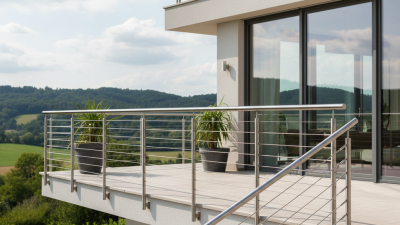
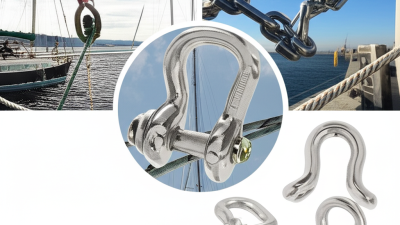
Selecting the best stainless steel hardware requires careful consideration of factors such as the grade of stainless steel, the specific environmental conditions, and the intended application. Higher grades, such as 316 stainless steel, are particularly suited for marine or harsh environments, where corrosion resistance is paramount. Meanwhile, projects that prioritize aesthetic cohesion might lean towards finishes and designs that complement the overall visual style.
Ultimately, making informed choices in stainless steel hardware not only enhances the functionality of your project but also ensures that your investment stands the test of time. Being equipped with the right knowledge and expert insights can lead to a successful and satisfying construction experience.

Factors to Consider When Selecting Stainless Steel Hardware
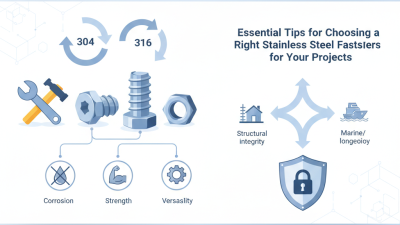
When selecting stainless steel hardware for your project, several key factors must be taken into consideration to ensure you make the best choice for your specific needs. One of the first aspects to evaluate is the grade of stainless steel being utilized. AISI 304 and AISI 316 are the most common grades used in hardware applications, with 316 offering superior resistance to corrosion, especially in marine environments. According to a report by the International Stainless Steel Forum, approximately 80% of stainless steel used globally is austenitic, predominantly made up of these two grades. Projects exposed to harsh conditions should favor 316 due to its enhanced durability and protection against pitting and crevice corrosion.
Another crucial factor is the intended application of the hardware. For instance, if the project involves outdoor use or exposure to chemicals, selecting hardware with a higher corrosion resistance is essential. Additionally, consider the mechanical properties of the stainless steel, such as tensile strength and ductility, which are influenced by the material's composition and treatment. Industry analyses reveal that the increasing demand for strong, lightweight materials has led to innovations in stainless steel processing, yielding products that not only comply with safety regulations but also enhance the performance characteristics suitable for a variety of applications. Understanding these factors will aid in making informed decisions to ensure the longevity and effectiveness of your hardware selection.
Types of Stainless Steel Alloys for Hardware Applications
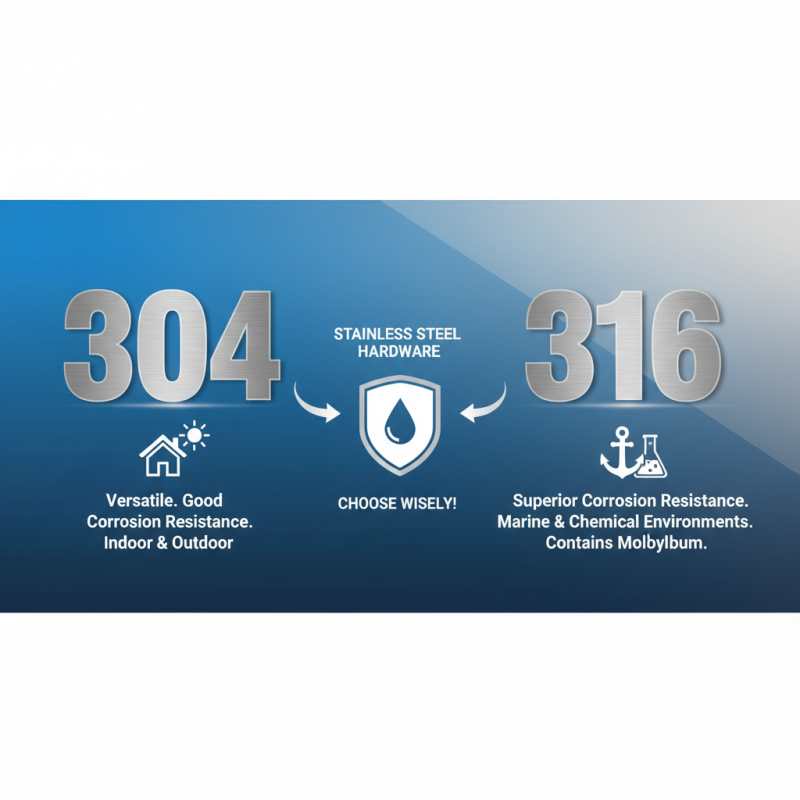
When selecting stainless steel hardware for your project, it’s essential to understand the different types of stainless steel alloys and their specific characteristics. Two of the most commonly used stainless steel alloys are 304 and 316. The 304 alloy is highly versatile and offers good corrosion resistance, making it suitable for a wide range of indoor and outdoor applications. On the other hand, 316 stainless steel is superior in corrosion resistance, particularly in marine environments or areas with high exposure to salt or chemicals, due to the addition of molybdenum.
Tips: When choosing between these alloys, consider the environment in which the hardware will be used. For general use and indoor environments, 304 is often sufficient. However, if your project involves exposure to harsh conditions, opting for 316 can prolong the lifespan of your hardware and reduce maintenance costs.
Another important type of stainless steel is the ferritic alloy, such as 430. This type is magnetic and typically less expensive than austenitic grades, making it ideal for applications where strength and corrosion resistance are needed but without the additional cost of 304 or 316 stainless steel. Always assess the specific requirements of your project—whether it’s aesthetic considerations, strength, or resistance to environmental factors—before making your final selection of stainless steel hardware.
Tips: Incorporate both functional and aesthetic factors into your decision-making process to ensure that the chosen hardware complements the overall design and performance of your project.
Corrosion Resistance and Its Importance in Stainless Steel Selection
When selecting stainless steel hardware for a project, understanding corrosion resistance is paramount. Stainless steel is renowned for its durability, but not all grades offer the same level of resistance to corrosion.
Factors such as environmental conditions—humidity, exposure to chemicals, and temperature fluctuations—play a critical role in determining which type of stainless steel is best suited for a particular application.
For instance, environments with high salinity, like coastal areas, may require a higher-grade stainless steel that contains molybdenum to enhance its resistance to pitting and crevice corrosion.
Corrosion resistance is not solely about the material; it also involves considering how the hardware will be used and maintained.
Regular inspection and maintenance can prolong the life of stainless steel hardware and prevent corrosion-related failures.
Additionally, understanding the specific applications, whether indoors or outdoors, and the potential exposure to corrosive elements can guide the selection process.
By prioritizing corrosion resistance in the selection of stainless steel hardware, you can ensure long-lasting performance and safety for your project.
Sizing and Compatibility: Ensuring Hardware Fits Your Project Needs
When selecting stainless steel hardware for your project, the sizing and compatibility of the components are paramount. Begin by assessing the specifications of your project, including dimensions, load requirements, and environmental conditions. Accurate measurements ensure that the hardware you choose fulfills the necessary criteria for strength and durability. Be particularly vigilant about the diameter and thread count of screws and bolts, as mismatched sizes can lead to structural failures.
Tips: Always carry a ruler or caliper to double-check dimensions before purchasing hardware. This quick inspection can save you time and money by avoiding the need to return improperly sized components.
Moreover, consider the compatibility of your chosen hardware with the materials you’re working with. Different materials may require specific types of fasteners or connectors to achieve a secure fit. For example, if you’re combining wood and metal, you might need unique screws designed for both materials to ensure a tight hold without causing damage.
Tips: Review technical charts or guides that provide information on which types of hardware work best with certain materials. Familiarizing yourself with this knowledge can enhance the longevity and performance of your final product.
Budgeting for Quality: Finding Cost-Effective Stainless Steel Options
When embarking on a project that requires stainless steel hardware, budgeting can often pose a challenge, particularly if you're aiming for quality without overspending. According to a recent report by Freedonia Group, the stainless steel hardware market is projected to grow significantly, driven by increasing investment in construction and infrastructure. This growth indicates that while options are plentiful, savvy consumers must look beyond just costs to find durable and reliable products.
One effective approach to budget for quality stainless steel hardware is to do thorough research on the types of stainless steel available. Different grades, such as 316 and 304, possess unique properties that can significantly affect both performance and cost. The American Iron and Steel Institute recommends balancing corrosion resistance with pricing; for example, while 316 stainless steel offers superior resistance to harsh environments and is often more expensive, it may be worth the investment for coastal projects.
Tips: Always consider the long-term implications of your hardware choices. A slightly higher upfront cost for high-quality stainless steel can lead to lower maintenance costs and enhanced durability over time. Additionally, purchasing in bulk can often lead to significant savings. Lastly, consult industry standards and materials specifications to ensure you're selecting hardware that meets the demands of your specific application, thus maximizing both functionality and value.