How to Choose the Best Steel Cable Clamps for Your Projects?
Choosing the right steel cable clamps for your projects can significantly impact your outcomes. According to the 2022 Global Steel Cable Clamps Market Report, the industry is projected to grow by 7% annually. This growth reflects an increasing reliance on high-quality steel cable clamps across various sectors, including construction and manufacturing.
Expert James Anderson, a recognized authority in cable and fastening solutions, highlights, "The right clamp can make a world of difference in both performance and safety." His insights illustrate the importance of selecting clamps that meet specific project requirements. Whether you need clamps for marine applications or industrial use, understanding the nuances of different types is crucial.
Ultimately, making an informed decision is essential. This involves not just assessing technical specifications but also considering environmental factors and load capacities. Oversights can lead to significant setbacks, both in safety and efficiency. Aim for clamps that align with the demands of your specific project while ensuring reliability and durability.
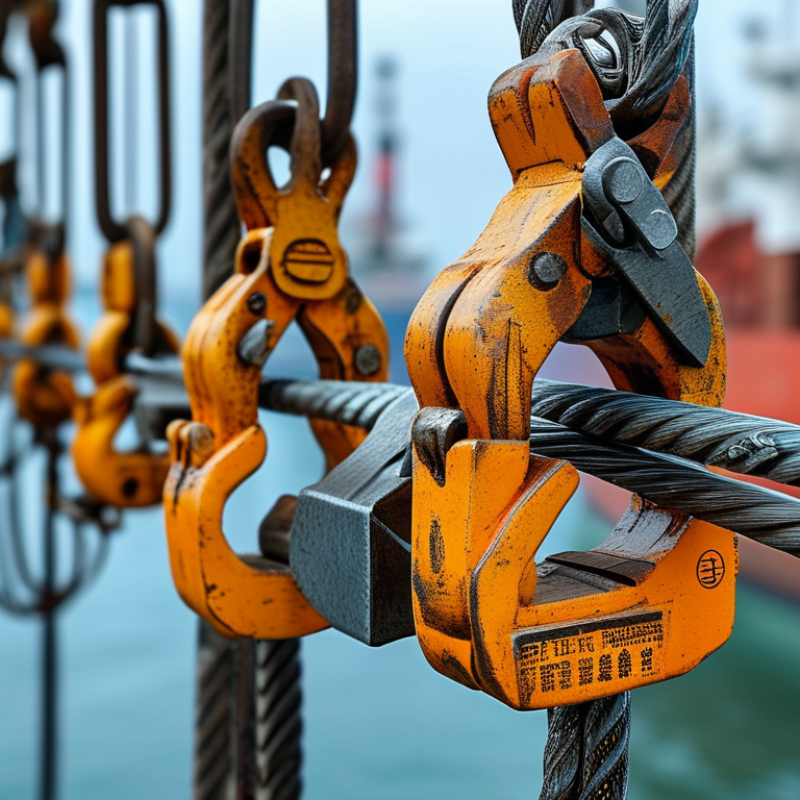
Understanding the Different Types of Steel Cable Clamps Available
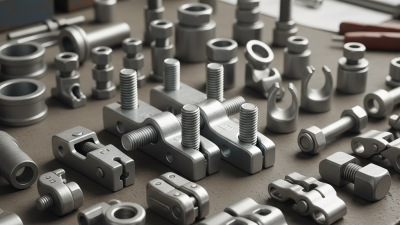
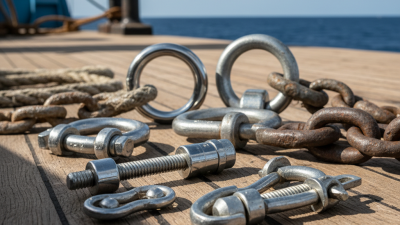
When selecting steel cable clamps, it's essential to understand the various types available. The most common types include
U-bolt clamps, swage clamps, and double-saddle clamps.
Each type serves different purposes, so knowing their features can help you pick the right one.
U-bolt clamps are popular for securing cables in tension. They’re easy to install and provide a reliable grip. For projects requiring a permanent connection, swage clamps are ideal.
These clamps are often used in rigging and offer a clean finish. Double-saddle clamps provide additional support and are useful for applications with varied load distributions.
Tips: Always consider the cable diameter when choosing a clamp. Measure accurately to avoid a loose fit, which could lead to failure.
Inspect the material of the clamp for corrosion resistance, especially for outdoor projects. Flaws can lead to unexpected issues, so rethink your selection if something seems off.
It's better to review your options than to face costly mistakes.
Evaluating Material Quality and Durability in Steel Cable Clamps
When selecting steel cable clamps, the quality of materials is crucial. High-quality steel, often galvanized or stainless, ensures resistance to rust and corrosion. Such properties enhance durability, making them suitable for long-term use. Consider the environment where the clamps will be applied. Extreme conditions may require more robust materials.
Durability goes hand in hand with construction. Look for clamps with solid welding and tight fittings. These features prevent slippage under tension. It’s essential to choose clamps that are certified for load-bearing. Test them against the project's requirements to avoid potential failures.
Reflecting on your specific needs is important. Not all projects require the same level of strength or resistance. Assessing the intended application helps in selecting appropriately. Consider how often the clamps will be exposed to moisture or temperature changes. This reflection can guide your decision, ensuring reliability in your projects.
Determining the Correct Size and Weight Capacity for Your Needs
When selecting steel cable clamps, size and weight capacity are crucial. An ill-fitting clamp can lead to failure, risking safety and project integrity. According to industry standards, the proper clamp size should match the cable diameter closely. For instance, if your cable measures 3/16 inches, choose a clamp rated for that specific size. Using clamps that are too large or too small may result in slippage or breakage.
Weight capacity is another key factor. The right clamp must support the load applied. A general guideline suggests that clamps should hold at least five times the anticipated load. For example, if your project weighs 200 pounds, select a clamp with a minimum weight capacity of 1,000 pounds. Overestimating requirements may lead to unnecessary costs, while underestimating can cause failures. Therefore, always calculate weight load accurately for safety.
Consider the environment where your clamps will be used. Exposure to moisture or chemicals may impact performance. Steel clamps may corrode in harsh conditions. It’s worth noting that a report by the American Society for Testing and Materials indicates that improper selection of clamps affects 30% of construction-related accidents. Reflecting on these details can help ensure reliable results in your projects.
How to Choose the Best Steel Cable Clamps for Your Projects?
| Clamp Size |
Cable Diameter (inches) |
Weight Capacity (lbs) |
Material |
Use Case |
| 1/4" |
0.25 |
120 |
Steel |
Lightweight applications |
| 3/8" |
0.375 |
200 |
Stainless Steel |
Medium-duty projects |
| 1/2" |
0.5 |
400 |
Galvanized Steel |
Heavy-duty applications |
| 5/8" |
0.625 |
600 |
Carbon Steel |
Industrial applications |
| 3/4" |
0.75 |
800 |
High-Strength Steel |
Construction and rigging |
Identifying Key Features and Design Aspects When Selecting Clamps
Choosing the right steel cable clamps is crucial for any project. Consider the clamp's design, material, and load capacity. Look for clamps made from high-quality steel that can withstand environmental factors. Corrosion-resistant finishes, like zinc plating, can enhance durability. These features help in ensuring a long-lasting grip without frequent replacements.
Pay attention to size and compatibility. The clamp should accommodate cable diameter and project requirements. A misfit can lead to failure during usage. Simpler designs often provide better reliability. Yet, more complex clamps may offer features that suit specific applications. Evaluating these design aspects is essential for safety and functionality.
While gathering information, reflect on your project's unique needs. What works for one task may not work for another. Personal experience plays a big role. Testing different types of clamps can reveal their strengths and weaknesses. Embrace learning from mistakes, as it leads to better choices in the future.
Assessing Manufacturer Reputation and Customer Reviews on Steel Cable Clamps
When selecting steel cable clamps, consider the manufacturer's reputation. A strong background in producing reliable products is essential. Seek companies known for stringent quality controls. These measures often ensure better performance and durability in various applications.
Customer reviews play a significant role in understanding product efficacy. Digital platforms provide insights from actual users. Look for detailed feedback, focusing on functionality and ease of use. Pay attention to common issues reported by multiple customers. This can reveal potential flaws or challenges.
Not all products meet expectations. Some clamps may fail under pressure or corrosion over time. Reading diverse reviews can help gauge long-term performance. While brands may market their clamps differently, actual user experiences often reveal the truth. Consider this feedback carefully to make a more informed choice for your projects.