How to Choose the Best Steel Railing for Your Project?
When selecting the best steel railing for your project, consider various factors that influence safety and aesthetics. Steel railings are known for their durability, corrosion resistance, and strength. According to a report by the American Institute of Steel Construction, steel railings can last up to 30 years with proper maintenance. This longevity makes them a wise choice for both residential and commercial applications.
Aesthetic appeal is also crucial. The market for stylish railings has seen a rise, with designers emphasizing modern and sleek designs. In 2022, approximately 40% of homeowners chose steel railings for their exterior projects, highlighting their popularity. However, not all steel railings are created equally. The choice of grade, finish, and design can greatly impact performance and appearance.
Understanding these aspects is vital. While steel railings offer strength, poorly designed options can lead to safety hazards. It's essential to assess the environment where the railing will be installed. Factors such as weather exposure and intended use must guide your decision. Balancing durability with design elements can be challenging but rewarding when executed properly.
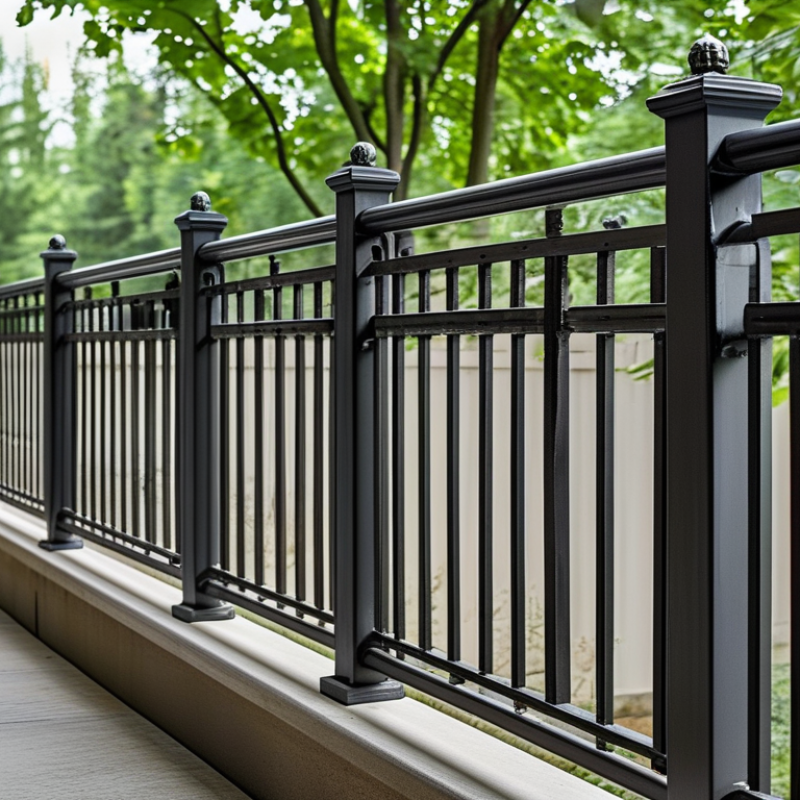
Consider the Purpose and Location of the Steel Railing
When selecting steel railings, considering their purpose and location is crucial. The intended use affects the design and durability required. For instance, railings for high-traffic areas need to withstand more wear and tear. According to the American Institute of Steel Construction, railings in commercial spaces must adhere to strict safety standards. These standards often dictate weight capacity and structural integrity to ensure user safety.
Location also defines the material choice. For coastal areas, stainless steel is preferable due to its corrosion resistance. Data from the National Association of Home Builders indicates that railings exposed to saltwater could corrode 50% faster than those in inland settings. Additionally, urban settings may require more decorative options, as aesthetics play a significant role in design. However, overly ornate railings might not be the best for functionality.
It's essential to balance beauty with practicality when choosing railings. Overbuilding a railing for a residential project might lead to unnecessary costs. Conversely, underestimating the strength needed can lead to safety hazards. Understanding project requirements fully will guide you to make the right choice.
Evaluate Different Types of Steel Materials Available
When evaluating different types of steel materials for railings, understanding the properties of each can be essential. Carbon steel, for example, is known for its strength and durability. It is often used in high-stress environments. However, it may require more maintenance due to rusting, especially in humid conditions. Reports indicate that 70% of steel failures are linked to corrosion issues. This highlights the need for protective coatings or finishes.
Stainless steel, on the other hand, offers increased resistance to corrosion, making it ideal for outdoor or marine applications. Its sleek appearance appeals to modern architectural designs. Many industry professionals prefer stainless steel for its longevity. A study by the American Iron and Steel Institute shows that stainless steel can last up to 100 years with proper care. However, its higher cost can be a barrier for some projects.
Additionally, galvanized steel is another option. It combines cost-effectiveness with resistance to rust. The process involves coating steel with zinc, which protects the metal from the elements. However, the lifespan is shorter compared to stainless steel. Understanding these differences is crucial for project outcomes. While some materials might seem appealing in the short term, their long-term performance should also be considered.
Examine Design Styles and Aesthetic Preferences
Choosing the right steel railing involves understanding design styles and personal aesthetics. Different architectural styles can influence your choice significantly. For instance, modern homes often favor sleek lines and minimalistic designs. In contrast, traditional settings may call for ornate railings with intricate patterns. According to a recent industry report, over 70% of homeowners prioritize style when selecting railings.
Color and finish are also vital. Powder-coated finishes offer durability and variety. They can be customized to match or contrast with existing decor. Data indicates that 55% of consumers select colors based on personal taste and current trends. Yet, it’s worth noting that some trendy colors might not age well. Homeowners should weigh current popularity against long-term appeal.
Designing for function as well as aesthetics is essential. A stylish railing may lack practicality if it doesn't meet safety guidelines. A study revealed that nearly 30% of railing designs fail to comply with industry standards. Balancing these aspects may be challenging, but it provides peace of mind. Your home should reflect both beauty and safety in every detail.
Assess Safety Standards and Building Codes
When selecting a steel railing, understanding safety standards and building codes is vital. Different regions have specific regulations that must be followed. These guidelines ensure that the railing can withstand various forces and impacts, enhancing overall safety for users. Knowing local codes can prevent costly mistakes during implementation. Consult local authorities or building inspectors to get the most accurate information.
Compliance with safety standards is not just about legality. It also reflects an understanding of good practices. High-quality railings must be designed to minimize risks. For instance, the height of the railing, spacing between bars, and material quality all matter. Poor choices can compromise safety, leading to potential injuries. A thorough review of project plans can identify areas where safety checks are needed.
It's important to remain adaptable and seek expert advice when in doubt. Relying solely on generic guidelines may not suffice. Engaging with professionals in construction and safety can provide insights. This collaborative approach can enhance both safety and design integrity. Remember, attention to detail in these aspects can significantly affect the success of your project.
Compare Cost and Installation Options for Your Project
When selecting steel railings, understanding costs and installation methods is vital. The average cost of steel railings ranges from $40 to $100 per linear foot, influenced by material quality and design complexity. A recent industry report from the American Institute of Steel Construction highlights that labor costs can add 30% to 50% to your budget. This underscores the importance of thorough financial planning.
Installation options vary significantly. Some projects allow for quick installation with simple tools, while others need professional help. According to the National Association of Home Builders, hiring an experienced contractor can lead to fewer mistakes, potentially lowering overall expenses. DIY solutions can seem economical, but they may result in costly errors.
It’s essential to consider local building codes when choosing your railing. Compliance can affect installation costs and durability. Many homeowners overlook permits, leading to additional expenses down the line. Carefully evaluate your options and consult with professionals to make informed decisions. Investing time in research can pay off significantly in both quality and cost-effectiveness.
Cost Comparison of Steel Railings by Type
This bar chart illustrates the cost per linear foot of various types of steel railings. These costs can impact the overall budget and selection process for your project. The welded steel railing is the most economical, while the glass railing tends to be the most expensive option.