How to Choose the Right Stainless Steel Wire Mesh Filter?
Choosing a Stainless Steel Wire Mesh Filter is a practical engineering decision, not a simple matter of selecting a mesh count. The wrong opening size can let target particles pass through or clog too quickly. A finer mesh may improve retention, yet increase pressure drop and cleaning frequency. The right choice depends on the fluid, particle shape, flow rate, temperature, and operating pressure.
The scale of filtration makes careful selection important. Grand View Research estimated the global industrial filtration market at approximately US$32.5 billion in 2023, reflecting broad demand across manufacturing and process industries. That figure covers many filtration technologies, not wire mesh alone. For mesh specifications, ASTM E2016 provides a recognized reference for industrial woven wire cloth. Still, a standard cannot replace testing with the actual process fluid.
Filtration pioneer Dr. David B. Pall is associated with a useful principle: “Choose for the process, not the catalog.” This wording is an editorial paraphrase, not a verified verbatim quotation. In practice, compare aperture size, wire diameter, alloy grade, and cleaning method. Picture a viscous liquid carrying irregular particles: a nominal mesh count alone may not predict real performance. A short trial can expose that gap. It may also reveal an uncomfortable truth: the cheapest screen is not always the least costly choice over time.
Understand the Structure and Function of Stainless Steel Wire Mesh Filters
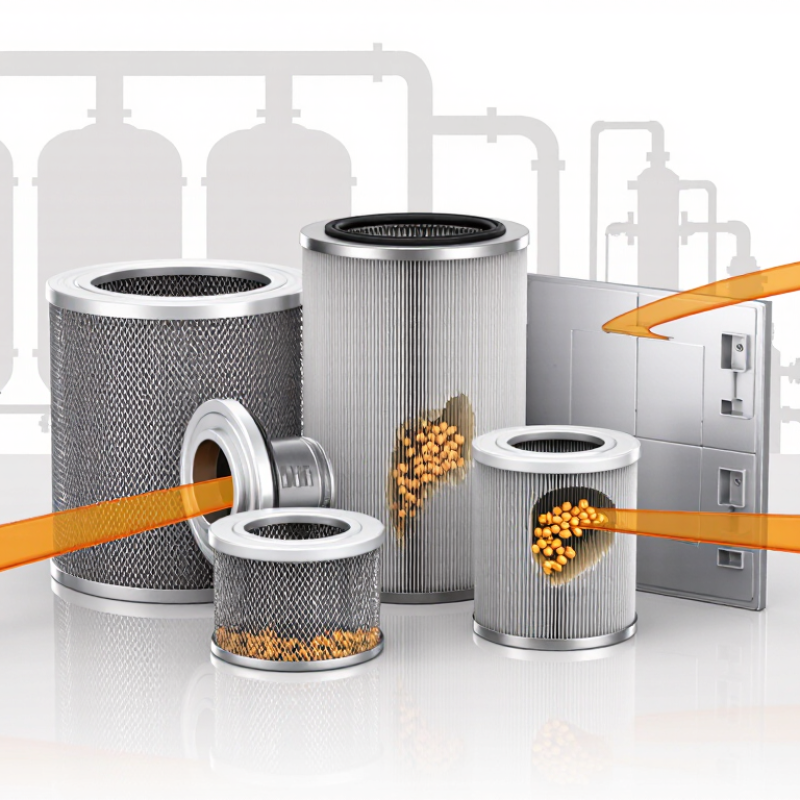
A stainless steel wire mesh filter is a woven grid, not a solid screen. Warp wires run lengthwise; weft wires cross them. Their spacing creates openings that control particle passage. ISO 9044:2016 covers industrial woven wire cloth with nominal apertures from 0.02 to 16 mm. That range is broad, but aperture alone does not define performance. Wire diameter, weave pattern, and open area also affect flow and strength.
Consider a square weave with 100 openings per inch and 0.10 mm wire. Its pitch is about 0.254 mm, leaving openings near 0.154 mm and roughly 37% open area. A useful estimate. Actual measurements can vary. Smaller openings may capture finer particles, but they can also raise pressure drop and clog sooner. For a filter that must handle steady flow, pleated mesh adds surface area without changing the aperture. Ask whether the stated rating is nominal or absolute; those terms are not interchangeable. A mesh specification is only a starting point. Test it with the actual fluid, particle load, and operating pressure. ISO 9044 provides a reference for wire-cloth requirements and testing, yet real service conditions still matter.
Define the Filtration Requirements of Your Application
Start with the process, not the mesh catalogue. Is the filter handling water, oil, air, or a chemical mixture? Note operating temperature, pressure, flow rate, and whether conditions fluctuate during startup. Define the particles you need to retain, including their approximate size and shape. A nominal micron rating alone can mislead; two meshes with similar openings may behave differently under load. Small details matter. Record how often the filter can be cleaned and what tools or cleaning fluids are available.
Then match these facts to a practical filtration target. A finer opening may capture smaller particles, but it can also raise pressure drop and clog sooner. If flow must remain steady, specify the acceptable pressure loss and expected dirt load. Check the stainless steel grade against the actual fluid, temperature, and cleaning routine; “stainless” does not mean immune to corrosion. For abrasive particles, wire diameter and weave strength deserve attention alongside opening size. Ask suppliers for mesh specifications and, where possible, test a sample under representative conditions. Real systems are messy, and an initial estimate may need revision after observing flow and retained debris.
Select a Stainless Steel Grade for Operating Conditions
How to Choose the Right Stainless Steel Wire Mesh Filter?
Select a Stainless Steel Grade for Operating Conditions
Choose the alloy for the fluid, temperature, cleaning routine, and exposure time—not just the equipment label. Grade 304 suits many mild, low-chloride environments. Grade 316 contains molybdenum, which generally improves resistance to chloride pitting. But it is not immune, especially in warm, stagnant brine or beneath deposits.
Small details matter.
The Nickel Institute’s stainless-steel selection guidance highlights environment and service conditions as key selection factors. NACE International’s IMPACT study estimated global corrosion costs at US$2.5 trillion, or 3.4% of global GDP, based on 2013 data. That figure is a reminder to assess corrosion risk before specifying mesh. Check chloride concentration, operating temperature, and cleaning chemicals; then consider wire diameter, weave, welds, and crevices where residue may collect. For higher chloride exposure, duplex grades may be worth evaluating, subject to compatibility and fabrication requirements. A grade chart alone can mislead. I would verify the choice against the actual process fluid and, where failure is costly, test a representative mesh sample under operating conditions.
Evaluate Filter Design, Compatibility, and Maintenance Needs
Choosing a stainless steel wire mesh filter starts with the work it must do. Define the contaminant size, flow rate, and operating pressure before comparing mesh options. A finer opening may capture smaller particles, but it can clog sooner and restrict flow. Mesh count alone can mislead; check the stated opening size and weave, such as plain or Dutch. Small details matter.
Confirm that the filter’s dimensions match the housing and that its seals suit the fluid and operating temperature. Stainless steel grades differ in corrosion resistance, so check fluid chemistry rather than assuming all grades perform alike. Consider whether the filter must handle pressure fluctuations or frequent removal. One common oversight is treating a catalog rating as a guarantee; actual performance depends on the full system and the particles being filtered.
Plan maintenance before installation. A visible pressure drop or slower flow can signal loading, though it may also point to another system issue. Check the mesh for tears, distortion, and trapped residue during scheduled inspections. Cleaning methods should suit both the mesh and the process; not every filter can be safely reused after cleaning. Keep a record of pressure readings and cleaning intervals, then adjust the schedule based on observed conditions. The first estimate may be wrong. That is useful information.
How to Choose the Right Stainless Steel Wire Mesh Filter
Compare calculated mesh openings to your required particle size, operating conditions, and cleaning plan.
How to read this chart: Approximate opening is calculated as 25.4 mm divided by mesh count per inch, minus wire diameter. The examples use wire diameters of 0.40, 0.25, 0.15, and 0.10 mm for 20, 40, 60, and 100 mesh, respectively; actual openings vary by product and weave. Choose an opening suited to the particles you need to retain, then check chemical and temperature compatibility. Finer openings can increase flow resistance and clogging risk, so consider cleaning access and maintenance frequency.