Choosing a Veterinary Plastic Steel Syringe requires more than comparing prices or counting product features. A suitable syringe should support accurate dosing, safe handling, and dependable treatment routines. It must also match the animal’s size, medication type, and injection method. A small error can waste medicine or stress the animal.
In daily veterinary work, grip matters. A textured barrel can reduce slipping when gloves are wet. Clear markings help confirm a dose under bright clinic lights. The needle connection should feel secure, without wobbling during use. Plastic components may lower weight, while steel parts can improve strength and repeated-use performance. However, material descriptions are not always consistent. Check the manufacturer’s specifications carefully.
No syringe is perfect. Some models feel durable but have stiff plungers. Others move smoothly but show markings that fade after cleaning. This trade-off deserves attention. Consider sterilization instructions, chemical compatibility, replacement parts, and storage conditions before purchasing. A product that works well with one medication may perform poorly with another. That detail is easy to miss.
Reliable selection also depends on professional guidance. Veterinarians, trained technicians, and established suppliers can explain practical differences that catalogs often overlook. Review dosage accuracy, leak resistance, animal comfort, and cleaning requirements together. The best Veterinary Plastic Steel Syringe is not simply the strongest or cheapest option. It is the one that supports consistent care, protects users, and fits the clinic’s real workflow. Test a small quantity when possible. Observe it closely. Then revise the choice if daily use reveals weaknesses.
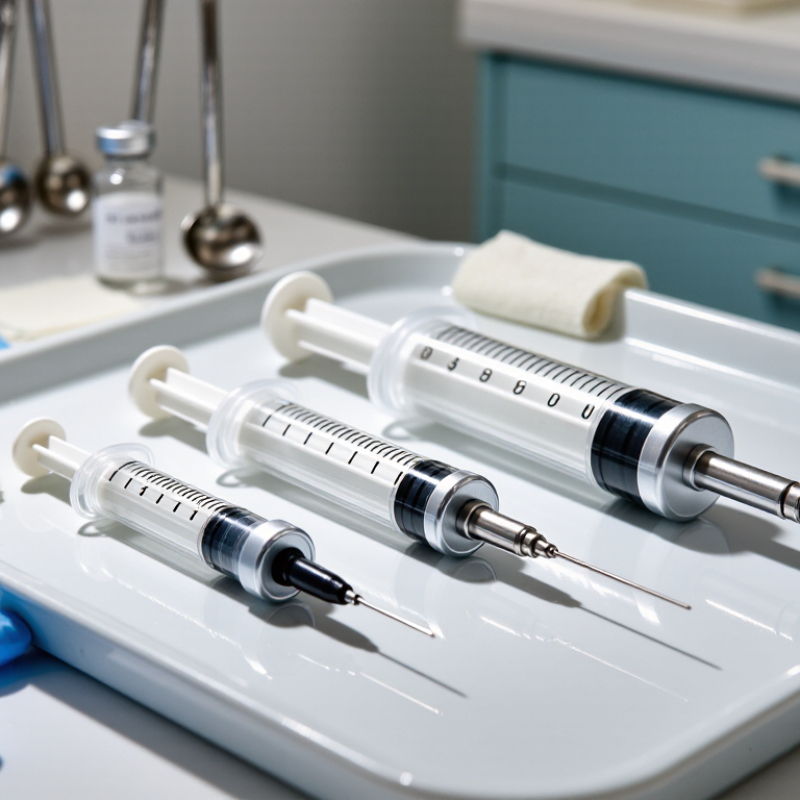
A veterinary plastic steel syringe usually combines a clear plastic barrel with a stainless-steel needle. The barrel allows accurate volume reading, while the steel needle provides strength and controlled penetration. These syringes support routine injections for vaccines, prescribed medicines, and fluid treatments. Depending on the design, they may suit subcutaneous, intramuscular, or intradermal administration. Oral dosing requires a needle-free model.
Animal size matters greatly. A small animal often needs a lower-capacity barrel and finer measurement markings. Larger livestock may require greater volume, stronger construction, or a longer needle. Needle gauge and length should match the species, injection site, medication thickness, and veterinary instructions. Too large a needle can cause unnecessary tissue damage. Too small a needle may slow delivery.
Check the barrel clarity, plunger movement, graduation accuracy, and hub connection before use. The plunger should move smoothly without leaking or sticking. Sterile, single-use syringes help reduce contamination risks and should never be reused. Reusable equipment needs validated cleaning and sterilization procedures. It is tempting to choose the largest syringe to save time, but that can reduce dosing precision. No single syringe fits every animal or treatment. In real practice, handling comfort also matters, although it is sometimes overlooked.
Choosing a veterinary plastic-steel syringe starts with the dose, not its appearance. In practice, I compare the prescribed volume with the syringe’s usable capacity. A 1 mL syringe may suit tiny doses better than a 10 mL barrel. The barrel should hold the dose without pushing the plunger near either end. This improves control and reduces reading mistakes. Do not assume a larger syringe is more convenient.
Measurement accuracy depends on scale spacing, plunger fit, and clear visibility. Read the graduation at eye level, with the liquid surface aligned correctly. Markings of 0.01 mL can support finer dosing than widely spaced lines. However, crowded markings may still cause errors. I have occasionally rechecked a measurement because the first reading looked correct but felt rushed. That pause matters. A rigid steel component can improve handling, but stiffness alone does not prove calibration. Check the stated accuracy and inspect the barrel for scratches, fading, or uneven movement.
Dosage requirements include volume, frequency, route, liquid thickness, and animal size. A viscous medicine needs a smooth plunger and a secure, compatible tip. Dead space matters for very small doses. It may leave more medication behind than expected. Match the syringe to the treatment instructions, and ask a veterinary professional when the dose or measurement method seems unclear. Small discrepancies can matter.
| Syringe Capacity | Common Graduation | Practical Measurement Range | Typical Veterinary Dosage Applications | Accuracy and Selection Notes |
|---|---|---|---|---|
| 0.3 mL | 0.01 mL | Approximately 0.05–0.30 mL | Very small doses for neonatal or miniature animals, when specifically prescribed | Use when the prescribed volume is below 0.5 mL. Read the leading edge of the plunger seal and avoid estimating between graduation marks. |
| 1 mL | 0.01 or 0.1 mL | Approximately 0.1–1.0 mL | Small-animal medications, vaccines, insulin-type products, and other low-volume prescriptions | A 1 mL syringe generally provides finer visual resolution than a larger syringe. Confirm whether the scale is marked in mL, not units, before use. |
| 3 mL | 0.1 mL | Approximately 0.5–3.0 mL | Routine small-animal injections and oral liquid medications | Suitable for many low-to-moderate doses. Select a smaller syringe if the required volume is less than half of the barrel capacity. |
| 5 mL | 0.2 mL | Approximately 1.0–5.0 mL | Moderate-volume injections, oral dosing, and flushing procedures | Check that the graduation interval is appropriate for the prescribed dose. A wider barrel may make small volume differences harder to identify. |
| 10 mL | 0.2 or 0.5 mL | Approximately 2.0–10.0 mL | Larger injections, oral suspensions, irrigation, and catheter flushing | Use only when the prescribed amount can be read clearly. For doses under 2 mL, a smaller-capacity syringe is normally easier to measure accurately. |
| 20 mL | 1.0 mL | Approximately 5.0–20.0 mL | Large-volume oral administration, irrigation, and flushing applications | Appropriate for volume rather than fine-dose measurement. Verify plunger movement is smooth and that the tip connection matches the intended accessory. |
| 30 mL | 1.0 mL | Approximately 7.5–30.0 mL | Large-animal oral dosing, irrigation, and non-precision fluid transfer | Not ideal for small medication volumes. Consider dividing the dose into smaller syringes only when permitted by the veterinary prescription and handling procedure. |
| 50–60 mL | 1.0 or 2.0 mL | Approximately 12.5–60.0 mL | Large-animal oral administration, irrigation, and high-volume flushing | Choose this capacity for high-volume work, not for precise low-volume dosing. Confirm the barrel markings and connection type before use. |
Choosing a veterinary plastic steel syringe requires more than checking its price. Material selection affects durability, handling, and resistance to veterinary chemicals. Many syringes use a polypropylene barrel with stainless steel components. Polypropylene is lightweight and resists several disinfectants, while stainless steel improves strength around the needle connection. Polycarbonate can offer clarity, but some solvents may cause cracking or clouding. Always check the manufacturer’s chemical compatibility data before use.
In daily practice, inspect the barrel after repeated cleaning. Look for fine scratches, stiffness, leaks, or a plunger that no longer moves smoothly. These small changes can affect dose accuracy. Strong detergents, alcohol-based cleaners, and concentrated disinfectants may damage seals or plastic surfaces over time. Rinsing away chemical residue matters. So does complete drying. A syringe that survives one treatment may still fail after months of exposure. No syringe is perfect. Actual clinic conditions can reveal weaknesses that laboratory tests miss.
Tips: Match the syringe material to the chemicals used in your facility. Test a small number before wider adoption. Keep a simple maintenance record. Replace any unit with cracks, cloudy plastic, loose fittings, or inconsistent movement. If staff report unusual resistance, investigate it rather than forcing the plunger. Select clear markings, firm connections, and a comfortable grip for repeated handling. A practical trial with veterinary professionals often provides more reliable evidence than specifications alone.
Choosing a veterinary plastic-and-stainless-steel syringe starts with the needle connection. A Luer-lock joint is preferable when fluids are thick, pressure rises, or animals move suddenly. A slip connection allows faster needle changes, but it needs firmer handling and closer inspection. That small detail matters. The World Health Organization estimates that about 16 billion injections are given worldwide each year, making secure connections an important safety consideration (WHO, 2016).
Match syringe size to the dose, not the animal’s overall size. A 1 mL syringe usually supports finer measurement for small doses. Larger syringes can improve control with greater volumes, but they may reduce accuracy at low doses.
Choose needle gauge and length according to species, tissue depth, and fluid thickness. ISO 7864 specifies requirements for sterile hypodermic needles, including dimensions and performance. However, a standard cannot replace clinical judgment.
Handling design affects real work. Look for clear graduations, a textured barrel, a stable thumb ring, and a plunger that moves without sudden resistance. Low dead space can reduce medication loss, especially with small volumes. The syringe should also match the clinic’s cleaning or disposal procedure and the manufacturer’s instructions. No design fits every patient. I would test grip, visibility, and connection security before routine use. My earlier preference for larger barrels was not always right; precision often matters more than speed.
A veterinary plastic steel syringe should be judged by its safety process, not its appearance. Start by checking whether it is sterile, non-sterile, single-use, or designed for repeated procedures. A sealed package, intact tip cap, and clear expiration date support safer handling. Single-use syringes should never be reused, even when they look clean. For reusable models, confirm that the steel parts tolerate the clinic’s approved sterilization method. Some plastics warp under high heat. That detail is easy to miss.
Cleaning affects both accuracy and animal welfare. After use, rinse the syringe promptly so medication cannot dry inside the barrel or around the plunger seal. Disassemble only the parts permitted by the instructions. Use a soft brush, suitable detergent, and clean water; rough tools may scratch plastic surfaces and trap residue. Then dry every component fully. Moisture can support contamination. I once assumed a clear barrel was clean because no film was visible. That assumption was weak.
Safety checks should include smooth plunger movement, readable measurement marks, a secure needle connection, and no cracks or loose fittings. The syringe must match the medication volume, viscosity, and required dose precision. Test the seal with clean water before use. If the plunger sticks, leaks, or leaves particles behind, remove it from service. Veterinary staff should follow written clinic protocols and the product’s validated instructions. Practical judgment matters, but guesswork does not.
