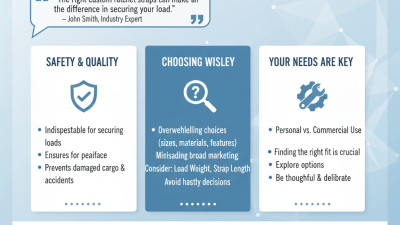
When selecting stainless steel hardware for your projects, understanding key factors is crucial. Industry expert John Smith, a renowned figure in the stainless steel sector, once said, "Choosing the right stainless steel hardware can significantly impact the durability and aesthetic of your work."
Stainless steel hardware is known for its strength and resistance to corrosion. However, not all stainless steel is created equal. Different grades can affect performance and longevity. You might find yourself overwhelmed by choices, but clarity is essential.
Consider your project’s specific needs. Think about the environment where the hardware will be used. Will it face harsh conditions? Then, opting for higher-grade stainless steel may be necessary. Reflect on the details of your project, as small choices can lead to significant differences in outcome. Each decision should be informed and intentional. Embracing this process will enhance your craft and ensure quality results.

When choosing stainless steel hardware, understanding the different grades is crucial. Stainless steel is not just one material; it comes in various grades, each with unique properties. For instance, 304 stainless steel is widely used in hardware due to its excellent corrosion resistance. In contrast, 316 stainless steel has enhanced resistance, making it ideal for marine environments.
Tip: Consider the environment where the hardware will be used. If it’s near saltwater, 316 is your best bet. However, if the conditions are less harsh, 304 could suffice, saving costs without sacrificing performance.
Different grades come with different costs. A report from the International Stainless Steel Forum notes that 304 is often more affordable than 316. This cost-saving can be tempting, but one must reflect on the long-term needs of the project. Choosing a cheaper grade in a critical application may lead to higher maintenance costs down the line.
Tip: Evaluate your project requirements. It’s easy to overlook grade selection in the planning phase. Spending time on research can prevent future issues and enhance the overall durability of your project.
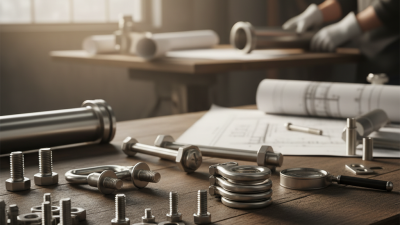
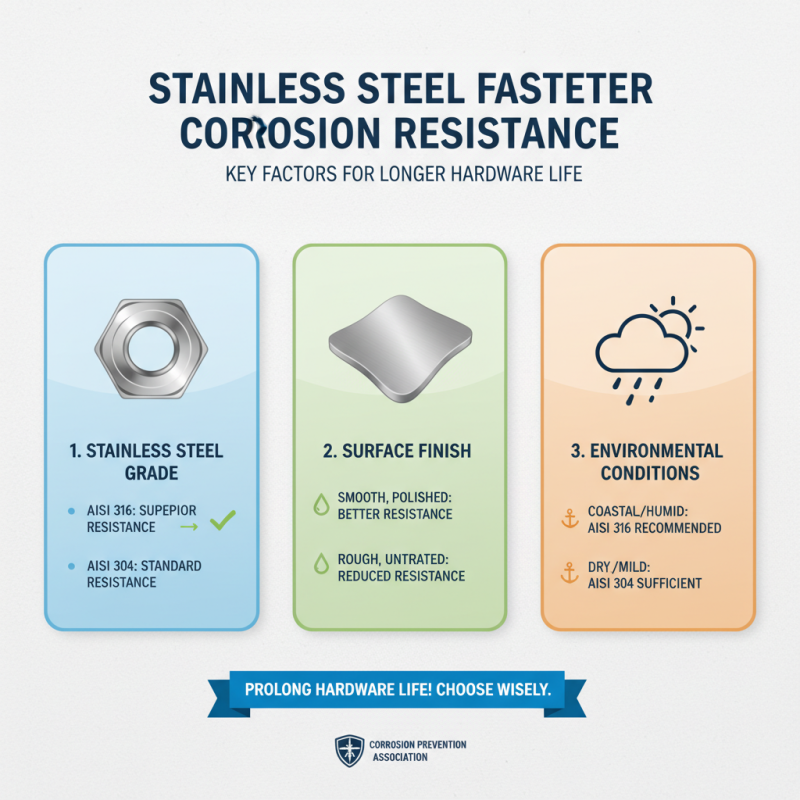
When selecting stainless steel fasteners, understanding corrosion resistance is crucial. Several factors impact this resistance, including the grade of stainless steel, surface finish, and environmental conditions. According to the Corrosion Prevention Association, AISI 316 grade stainless steel offers superior corrosion resistance compared to AISI 304. In coastal areas or humid environments, this choice can significantly prolong the life of hardware.
Another aspect to consider is the presence of contaminants. Even a small amount of chlorides can drastically reduce the longevity of stainless steel. A report from the ASTM states that pits can form, leading to structural failure. Regular inspections and maintenance are often neglected, yet they are essential for assessing potential issues.
Surface finishes play a vital role as well. Passivation is a common process that enhances the protective oxide layer on stainless steel. Despite its benefits, not all finishes are created equal. The performance can depend on how well the material has been processed. Flaws in manufacturing can lead to vulnerabilities. Keeping this in mind, prioritize quality and verify specifications thoroughly before making a choice.
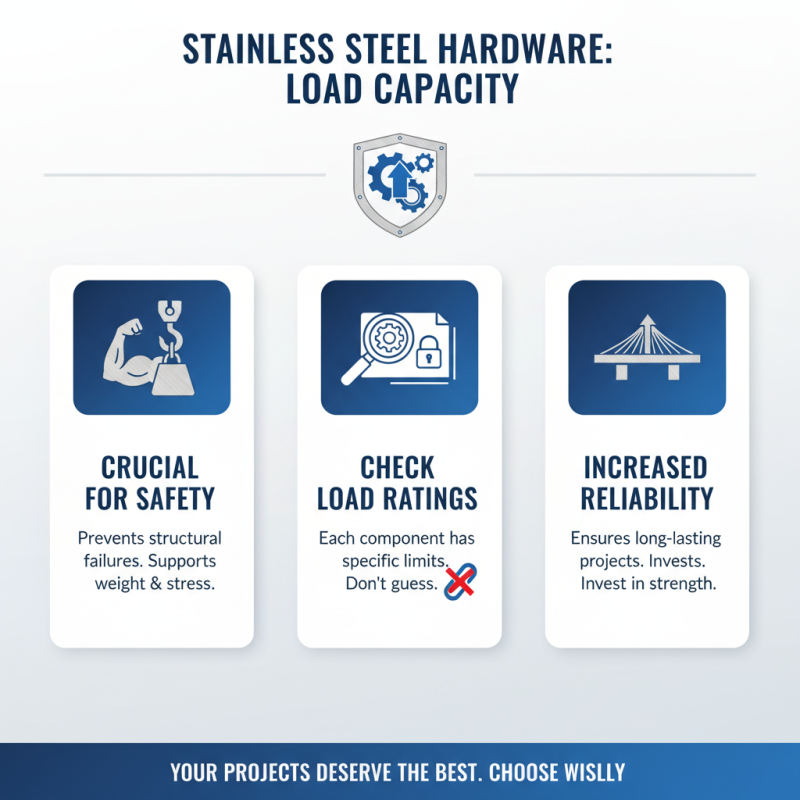
When selecting stainless steel hardware for your projects, load capacity is crucial. It determines how much weight or stress your components can withstand. Ignoring it can lead to structural failures. Each stainless steel component has specific load ratings. Always check these details before making a purchase.
Consider the context of your project. Are you constructing a heavy-duty structure or installing fixtures? Misjudging load capacity can lead to safety issues. Sometimes, components labeled "high strength" may not fit your needs. Even slight discrepancies can cause problems down the road.
Installation plays a significant role as well. Improper installation can reduce load capacity. Regular inspections are advisable to ensure everything remains secure. Remember, a small oversight can escalate into substantial repairs. Load capacity isn't just a number; it's a core element of safety and durability in your work.
When choosing stainless steel hardware, aesthetic considerations play a significant role. The finish of stainless steel can drastically affect the overall look of your project.
Polished finishes offer a sleek and modern appearance. However, they can show fingerprints and smudges easily.
A brushed finish, on the other hand, provides a more textured look. This finish hides marks better but may appear less shiny.
Another option is satin finish, which strikes a balance between polished and brushed. Satin provides a soft sheen without the drawbacks of high polish. It's less reflective and can blend well with different materials.
Matte finishes are also gaining popularity. They offer a unique, understated elegance. However, they might require more maintenance to keep clean.
Consider your project's environment as well. Outdoor settings may necessitate different finishes than indoor spaces.
Exposure to elements can damage certain finishes over time.
Each option has its pros and cons. Reflecting on these aspects helps in making a better choice.
Always think about not just what looks good, but also what fits your function and durability needs.
When considering stainless steel hardware, cost and performance often clash. The ideal choice isn't simply about picking the least expensive option. According to industry reports, stainless steel can vary significantly in price based on its grade and finish. For instance, 316-grade stainless steel offers exceptional corrosion resistance but comes with a higher price tag compared to 304-grade.
Budget constraints influence decision-making. Many projects opt for the more economical 304-grade stainless steel to save on costs. However, this choice can lead to higher long-term expenses if the hardware deteriorates prematurely. Corrosion can reduce durability and necessitate replacements sooner than intended. A study noted that choosing the right grade could extend hardware lifespan by up to 50%.
Performance also hinges on environmental factors. In coastal areas or chemical-heavy environments, the impact of corrosion becomes evident. Relying solely on cost can result in compromises on performance. It’s crucial to weigh these trade-offs. Making informed decisions requires consideration of both immediate costs and long-term implications on performance. Balancing cost with functionality is a nuanced challenge that deserves careful thought.
| Tip Number | Tip Description | Cost Consideration | Performance Factor |
|---|---|---|---|
| 1 | Choose the right grade of stainless steel for corrosion resistance | Higher-grade stainless (e.g., 316) costs more | Excellent corrosion resistance in harsh environments |
| 2 | Consider the weight and strength requirements | Lightweight stainless may be cheaper | Ensure it meets load-bearing specifications |
| 3 | Evaluate aesthetic requirements based on project | Polished finishes are generally more expensive | Enhanced appearance and finishing options |
| 4 | Look for certified products to ensure quality | Certifications may add to the cost | Assured performance and reliability |
| 5 | Consider long-term maintenance and cleaning needs | Budget for ongoing maintenance efforts | Can significantly impact lifespan |
| 6 | Understand mechanical properties of different alloys | Material choices influence price | Higher strength alloys can reduce failure rates |
| 7 | Factor in any alloying elements that may be needed | Specialized alloys can raise costs | Improved characteristics for specific applications |
| 8 | Assess the compatibility with other materials | Incompatible materials can lead to increased costs | Prevent galvanic corrosion and failures |
| 9 | Include future scalability in your planning | Upfront investments could save future costs | Flexibility for future enhancements |
| 10 | Consult with a materials expert or engineer | Consultancy fees may add to initial project costs | Long-term value outweighs initial costs |