How to Choose the Right Steel Handrail?
Choosing the right steel handrail is more than selecting a shiny metal profile for a staircase. It affects safety, comfort, maintenance, and the visual character of a space. A well-designed handrail should feel stable under the palm, remain comfortable in winter, and guide movement without drawing unnecessary attention.
In practical projects, the best choice begins with the environment. Indoor stairs may need a smooth satin finish, while outdoor balconies face rain, salt, dust, and temperature changes. Stainless steel often suits exposed areas, but the grade and surface finish still matter. A lower-cost option can look attractive at first. It may demand more cleaning later. That detail is easy to miss.
Dimensions also deserve careful thought. The rail should provide a secure grip, with enough clearance from the wall for fingers to pass naturally. Posts, brackets, welds, and anchor points must work as one system. Weak connections can undermine an otherwise strong rail. This is where verified product data and experienced installation matter. Measurements taken on site are more reliable than assumptions from a drawing.
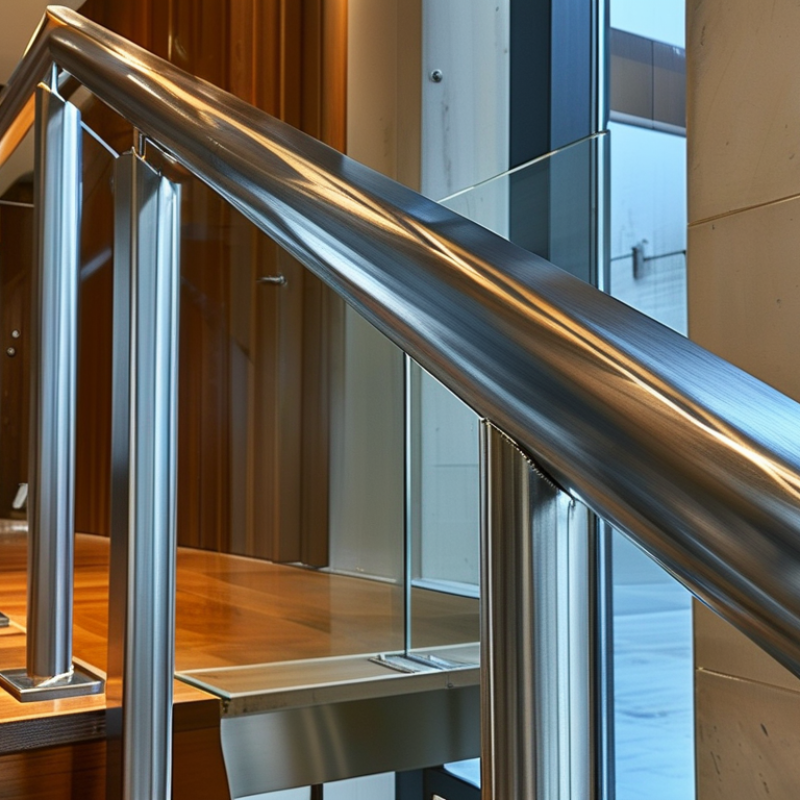
Appearance matters too. Brushed steel can hide light scratches, while polished steel reflects more light and shows fingerprints quickly. Glass panels, timber steps, and painted walls each create different visual effects. There is no universal answer. The right steel handrail balances structure, touch, climate, cleaning effort, and budget. Even experienced designers sometimes revise their choice after seeing samples in real light. A small test section can reveal more than a catalog image.
Steel Handrail Types and Their Typical Applications
How to Choose the Right Steel Handrail?
Steel Handrail Types and Their Typical Applications
Round steel handrails offer a comfortable grip and suit stairways, ramps, balconies, and public corridors. Their smooth profile is easy to clean and practical for frequent contact.
Square or rectangular rails create a sharper architectural appearance. They work well in offices, commercial buildings, and modern residential interiors. However, square edges can feel less comfortable when people use the rail for support.
Stainless steel handrails resist moisture and staining, making them suitable for coastal buildings, hospitals, kitchens, and outdoor walkways.
Carbon steel rails provide strong structural support and often serve industrial stairs, warehouses, and service platforms. They need suitable coating or galvanizing in wet environments. Otherwise, hidden corrosion may develop near joints and mounting points.
I have seen attractive installations fail because installers focused on the rail surface and ignored drainage.
Cable and glass infill systems keep views open on balconies and terraces. They require careful tensioning, cleaning access, and secure end connections.
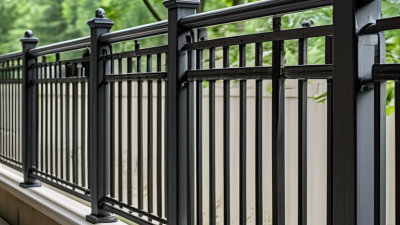
In busy facilities, vertical steel balusters may offer easier inspection and better impact resistance.
A handrail should match the user, location, and maintenance plan, not only the building style. Check local safety requirements before fabrication. Measure twice.
Small errors at corners can create uncomfortable transitions, especially where users change direction. Good detailing includes continuous grasping surfaces, rounded terminations, and firmly anchored brackets.
Key Factors for Choosing a Steel Handrail
Choosing the right steel handrail starts with the site, not the catalog. On renovation projects, I have seen a beautiful rail fail because its fixing points met weak masonry. Measure the stair width, landing height, wall condition, and daily traffic. A rail for a quiet home differs from one beside a busy loading entrance. Check local building requirements for height, grip clearance, spacing, and load resistance. These details protect users and reduce expensive changes later. Do not guess here.
Material selection controls durability. Galvanized or suitably coated steel performs better outdoors, especially near rain or salt spray. Stainless steel suits clean, humid interiors, but its grade still matters. Ask for material documentation, coating thickness, weld quality, and corrosion protection. A smooth, continuous grip feels safer than a sharp joint. Rounded ends also prevent sleeves and bags from catching. I prefer sample testing: rub the finish, inspect welds, and check whether water can collect at the base. Small defects grow.
Installation deserves equal attention. Use correctly sized anchors, maintain even spacing, and seal penetrations where moisture may enter. Confirm that the rail stays firm under repeated pushing, not just during a quick hand check. Cleaning needs should match the finish, because harsh chemicals can damage protective layers. Maintenance access matters too. I once underestimated this point, and a hidden base plate became difficult to inspect. The better choice balances safety, comfort, appearance, installation quality, and long-term upkeep. A lower initial price may not be the lower-cost option.
How to Select the Right Steel Grade and Finish
Choosing a steel handrail begins with its environment, not its appearance. An indoor stairway may suit austenitic 304 stainless steel, especially where moisture and salt exposure remain low. Near a coast, swimming pool, or de-icing area, 316 stainless steel offers better chloride resistance. For painted carbon steel, specify corrosion protection, such as galvanizing with a compatible topcoat. Grade selection should also reflect span, impact risk, temperature, and local structural requirements. A low price can become expensive after early rust repairs.
Finish affects both performance and daily comfort. Looks matter. A fine satin finish hides light scratches better than a mirror polish and feels more comfortable to touch. Brushed surfaces still need careful cleaning, because trapped salt can stain suitable stainless steel. Powder-coated or painted surfaces need complete coverage around welds, cut edges, and mounting plates. Ask for material certificates, coating specifications, and weld inspection records before installation. In practice, installers sometimes overvalue the visible finish and undercheck hidden fixings. That mistake is easy to miss. Check it anyway.
Tips: Collect a small sample before approval. View it beside the floor, wall, and lighting. Confirm the grade, surface treatment, cleaning method, and maintenance schedule in writing. If the site is coastal or heavily used, ask an engineer to review the choice. I would not rely on a showroom sample alone; real exposure can be harsher.
Safety, Building Codes, and Installation Requirements
How to Choose the Right Steel Handrail?
A steel handrail should support safe movement, not merely complete a staircase. Start with your local building code and confirm the latest requirements with the relevant authority. Rules often differ between private homes, commercial buildings, ramps, balconies, and public facilities. Handrails and guardrails also serve different purposes. Confusing them can create serious design problems.
Measure the walking line, stair width, mounting height, and available wall clearance before selecting a profile. Many codes use a handrail height near 34 to 38 inches, but this range is not universal. Openings in guards may also have strict size limits. The rail should feel continuous, easy to grasp, and free from sharp edges. In practice, poor measurements cause more trouble than the steel itself. I once underestimated a landing transition; the rail looked aligned, but it felt awkward to use.
Tips: Check the substrate before installation. Concrete, brick, and light framing need different anchors. Use corrosion-resistant fasteners where moisture or salt is present. Confirm that brackets can resist expected loads, not just the rail’s weight. Leave enough clearance for a full hand grip. After installation, test every connection for movement, inspect welds, and check that returns do not catch clothing. Do not rely on appearance alone. A clean finish can hide weak anchoring or incorrect spacing. Keep drawings, measurements, and inspection records for future maintenance.
Maintenance Needs, Costs, and Long-Term Performance
How to Choose the Right Steel Handrail?
Maintenance Needs, Costs, and Long-Term Performance
A steel handrail should match its environment, not just its appearance. Indoor stairways usually need simple cleaning and occasional checks for loose fasteners. Outdoor installations face rain, sunlight, road salt, and temperature changes. Coastal air can attack unprotected steel surprisingly quickly. Choose stainless steel or a properly applied protective coating when moisture remains constant.
The cheapest quotation may not be the lowest long-term cost. Compare material price, installation labor, surface treatment, inspections, and replacement access. A painted handrail may require sanding and recoating every few years. Galvanized steel often reduces routine maintenance, but damaged areas still need prompt attention. Check welds, joints, anchor points, and drainage paths during inspections. Small rust marks near a connection can signal trapped water underneath.
Ask for documented material specifications and coating information. Reliable suppliers should explain steel grade, finish thickness, expected service conditions, and cleaning methods. Local building requirements also affect height, spacing, load resistance, and accessibility. A qualified professional should verify these details before installation. Do not rely on appearance alone.
It is easy to overestimate “maintenance-free” claims. Nothing stays perfect. Harsh sites need more frequent checks, even when the initial finish looks excellent. A practical choice balances today’s budget with tomorrow’s labor, access equipment, and repair disruption. Sometimes a slightly higher purchase cost prevents a much larger replacement problem later.
How to Choose the Right Steel Handrail?
Indicative 20-year planning benchmarks for commercial handrails. Costs are shown in USD per linear metre and represent typical installed and maintenance allowances, excluding structural repairs and replacement.
Galvanized steel generally offers the lowest 20-year cost for standard outdoor applications. Powder-coated steel provides more color choices but needs closer inspection and refinishing when the coating is damaged. 304 stainless steel is suitable for many indoor and moderately corrosive environments, while 316 stainless steel has the strongest long-term resistance in coastal or chloride-rich locations. Actual costs vary with site conditions, geometry, labor rates, access, and cleaning requirements.