What is a Rivet Nut and How is it Used in Manufacturing?
In the realm of manufacturing, the rivet nut, also known as a blind rivet nut or anchor nut, plays a crucial role. This fastener bridges metal plates and other materials, offering a robust threaded connection in areas that are difficult to reach. According to a report by the Freedonia Group, the demand for fasteners, including rivet nuts, is projected to grow significantly, reaching an estimated 130 billion units by 2026. This underscores the increasing reliance on efficient fastening solutions.
Rivet nuts are particularly valued for their ease of use. They can be installed from one side of a workpiece, streamlining production processes. This feature is critical in automotive and aerospace sectors, where time and precision matter. A study published by Market Research Future indicates that rivet nuts enhance structural integrity, reducing the need for excessive welding. However, some manufacturers report challenges in aligning the rivet during installation, illustrating the need for ongoing improvement in technique and equipment.
The advantages of rivet nuts highlight their relevance in modern manufacturing. Yet, there remain gaps in training and implementation that could hinder optimal use. Continued education and investment in technology are essential to fully leverage the potential of rivet nuts. As industries evolve, these fasteners must adapt, ensuring they meet the growing demands of various sectors.
What is a Rivet Nut? An Overview of Its Definition
A rivet nut, also known as a blind nut, is a crucial fastening component in manufacturing. It provides a strong threaded insert that can be installed into light materials like plastics or thin metals. Unlike traditional nuts, rivet nuts are installed from one side only, making them ideal for applications where access is limited. They create a strong hold by deforming when a bolt is inserted, which spreads their grip and enhances durability.
According to a recent industry report, the global demand for rivet nuts is projected to grow by 4.5% annually, driven by their increasing use in automotive and aerospace sectors. Rivet nuts excel in environments requiring lightweight designs without compromising structural integrity. Engineers often select them for their efficiency, as they reduce assembly time and material costs. However, their installation requires precision. Misalignment during installation can lead to inconsistent fastening strength, prompting engineers to refine their processes continually.
Manufacturing professionals recognize that while rivet nuts offer numerous advantages, challenges remain. The potential for material fatigue over time is a significant concern. Research shows that repeated stress can lead to failure, especially in high-load applications. Thus, it’s vital to choose the right type of rivet nut for specific tasks. Understanding the material and load requirements can help mitigate issues and improve reliability.
The Construction and Design Features of Rivet Nuts
Rivet nuts are essential fasteners widely used in manufacturing. They create strong, load-bearing threads in thin materials. The design of rivet nuts usually includes a flanged shell and a threaded insert, allowing them to be installed from one side of the workpiece. This feature is particularly advantageous in applications where access is limited. Reports indicate that the rivet nut market is projected to grow at a CAGR of 5.4% from 2023 to 2028, underlining their importance in various industries.
When designing with rivet nuts, consider the material and thread type. Common materials include steel, aluminum, and brass. The choice affects both strength and weight. An analysis published in the Journal of Materials Science highlighted that improper installation could lead to failures. It’s crucial to maintain the correct tooling and torque specifications during installation to ensure reliability.
Here are a few considerations when using rivet nuts. Ensure the hole size matches the specifications to prevent slippage. Use the appropriate installation tools for optimal results. Sometimes, finding the right rivet nut for a specific application can be challenging. Testing different types may be necessary to achieve the desired performance.
Rivet Nut Usage in Manufacturing
Common Materials Used in Rivet Nut Manufacturing
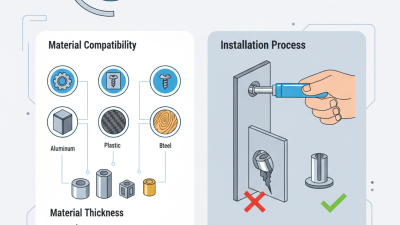
Rivet nuts are integral fasteners used widely in manufacturing. The materials used to create these nuts significantly impact their strength and application. Commonly, aluminum is favored for its lightweight properties. It allows for easy installation and is resistant to corrosion. Designers often choose aluminum for automotive and aerospace applications, where weight is critical.
Another popular material is steel. Steel rivet nuts offer exceptional strength and durability. They are often used in heavy machinery and structural components. The choice of steel allows manufacturers to meet strict load-bearing requirements. However, steel can be heavier and may require additional corrosion protection.
Brass is another option, known for its excellent conductivity. While not as common as aluminum or steel, brass rivet nuts are useful in electronic applications. They provide reliable connections without the risk of corrosion. Each material presents unique benefits and challenges in manufacturing. Choosing the right material requires careful consideration of the end use and performance expectations.
Applications of Rivet Nuts in Various Industries
Rivet nuts play a crucial role in many industries. They provide strong, reliable fastening solutions in applications where traditional screws or nuts may not suffice. These fasteners are especially useful in thin materials where welding is impractical or impossible. The automotive and aerospace industries frequently utilize rivet nuts. They create secure connections in lightweight components, assisting with weight reduction while maintaining strength.
In the electronics sector, rivet nuts are used for mounting circuit boards. Their design allows for easy insertion into the housing, creating a solid base for electrical components. Medical devices also benefit. Rivet nuts ensure that parts are firmly held together, which is vital for both safety and functionality. Their versatility makes them suitable for a wide range of applications.
When working with rivet nuts, it’s important to choose the right size and type for your material. Incorrect choices can lead to weak connections. Ensure that the surface is clean before installation. A clean surface enhances adhesion and stability. Additionally, practice inserting rivet nuts on scrap material. This helps to refine your technique and ultimately improve your assembly process. Understanding the specific needs of your project will help avoid mistakes that can be costly later on.
Installation Techniques and Tools for Rivet Nuts
Rivet nuts play a crucial role in manufacturing. They create strong threaded connections in thin materials, enhancing structural integrity. The installation process is vital to achieving optimal performance. Various techniques are used based on the application and material thickness.
One common installation technique is the use of pneumatic tools. These tools offer speed and efficiency in large-scale production environments. Industry studies indicate that pneumatic installation can reduce assembly time by up to 40%. Manual installation, though slower, remains valuable for precision work in smaller projects. It's essential to consider the type of rivet nut and the material to ensure proper engagement.
Another technique involves using a torque wrench for controlled installation. This method minimizes the risk of over-torquing, which can damage the rivet nut or the base material. Reports suggest that improper installation can lead to connection failure in 30% of cases. Careful attention to detail during the installation process can significantly impact the durability and reliability of the final assembly.
What is a Rivet Nut and How is it Used in Manufacturing? - Installation Techniques and Tools for Rivet Nuts
| Dimension |
Value |
Description |
| Size |
M3 to M12 |
Common sizes for rivet nuts range from M3 to M12. |
| Material |
Aluminum, Steel, Brass |
Rivet nuts can be made from various materials based on application needs. |
| Installation Method |
Hand Tool, Pneumatic Tool, Electric Tool |
Different tools can be used for installation including hand tools, pneumatic, or electric options. |
| Tensile Strength |
800-1400 N |
Tensile strength can vary significantly based on material and size. |
| Application Areas |
Automotive, Aerospace, Electronics |
Rivet nuts are commonly used in automotive, aerospace, and electronics applications. |