How to Select the Best Stainless Steel Threaded Rod?
Selecting the right stainless steel threaded rod is crucial for any construction project. Renowned engineer, John H. Smith, states, "The right material can make or break your project." This highlights the importance of choosing high-quality threaded rods. Stainless steel threaded rods are vital components in countless applications.
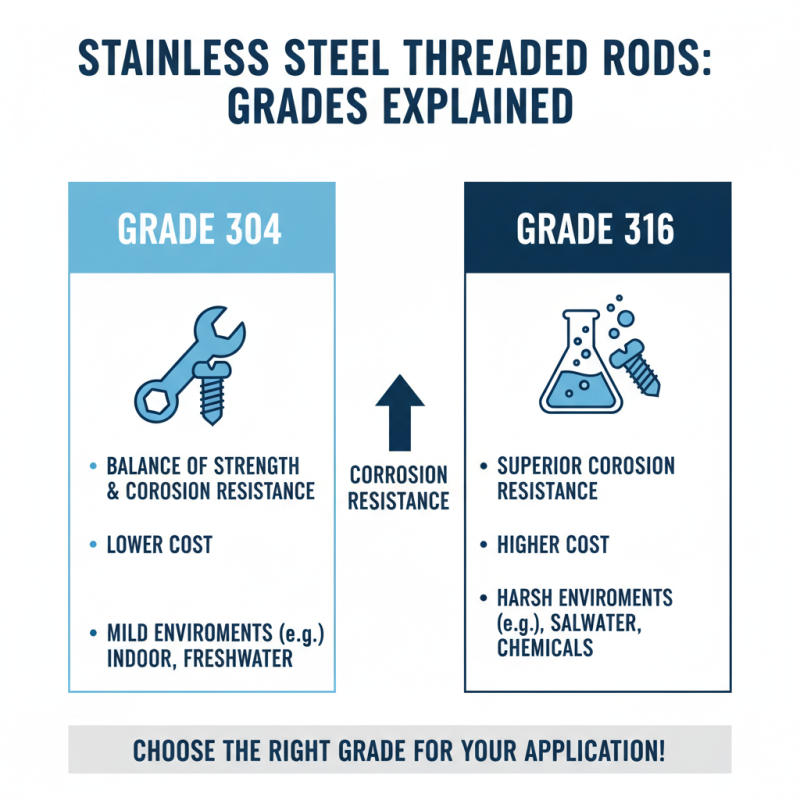
When evaluating options, consider the grade of stainless steel. Common grades include 304 and 316. For many projects, 304 offers durability and corrosion resistance. However, 316 provides enhanced resilience in harsh environments, such as marine applications. Understanding these differences is key.
Additionally, thread size and length matter. Ensure proper fit for your specific needs. Custom lengths are often available. Remember, while price is important, quality should never be compromised. A well-chosen stainless steel threaded rod contributes to the overall strength of your structure. Each decision impacts the final outcome.
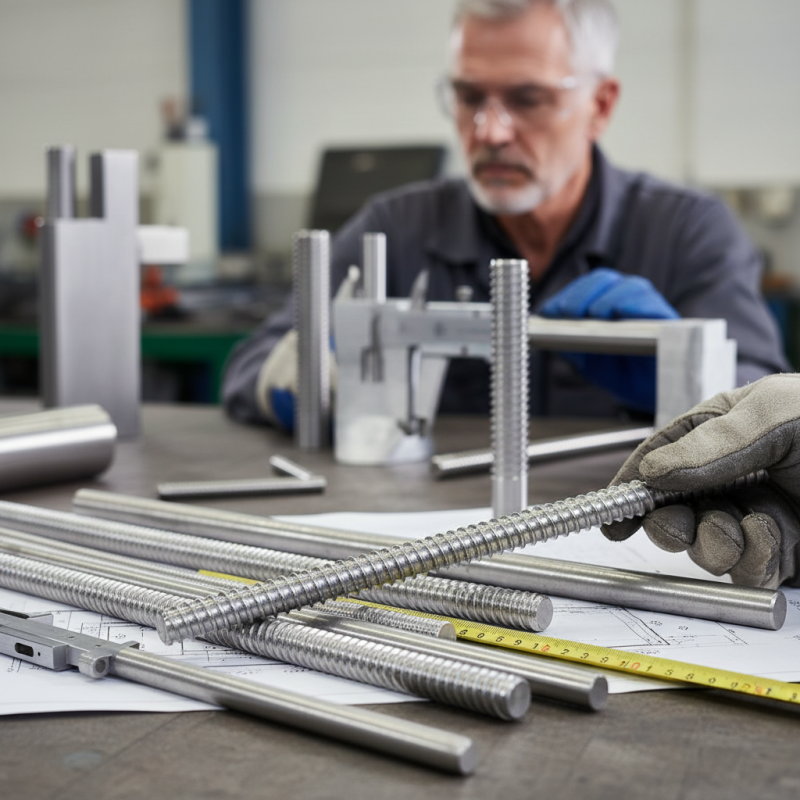
Understanding Different Grades of Stainless Steel for Threaded Rods
When it comes to selecting the best stainless steel threaded rod, understanding the various grades of stainless steel is crucial. The most commonly used grades are 304 and 316. Grade 304 offers a good balance of strength and corrosion resistance. Its low cost makes it an attractive option for many applications. According to industry reports, 304 is suitable for mild environments but may not perform well in highly corrosive settings.
In contrast, grade 316 offers enhanced corrosion resistance, particularly in chloride environments. This makes it ideal for marine applications. Studies show that 316 stainless steel has a higher nickel content and the addition of molybdenum, which contributes to its resistance. This quality is critical for industries that require robust performance in harsh conditions, such as chemical processing or food production.
Choosing the right grade can be challenging. Misunderstandings about the properties of these grades may lead to failure in applications. For example, using grade 304 in a coastal environment could result in rapid degradation. It's vital to assess environmental factors and load requirements before making a choice. Users often overlook these considerations, leading to costly repairs or replacements.
Key Factors to Consider When Selecting Threaded Rods
When selecting the best stainless steel threaded rods, consider key factors that influence performance and durability. Stainless steel, known for its corrosion resistance, is rated by grades. For example, 304 stainless steel offers decent protection in everyday environments, while 316 provides enhanced resistance in harsh conditions, such as marine applications. According to market research, stainless steel rods are increasingly preferred due to their longevity, with a market growth rate of approximately 4% annually.
A crucial factor to weigh is the rod’s tensile strength. This refers to the maximum load the rod can bear without failing. Typically, a tensile strength of 70,000 psi is standard for common applications. However, specific projects may require higher ratings. Oversizing the rod may lead to higher costs without additional benefits.
Tips: Always verify the rod specifications against project needs. Cross-check the load requirements to ensure safety. Regular inspections should be part of maintenance routines. Pay attention to installation practices as improper installation can lead to premature failure. Understanding these aspects will aid in selecting the right threaded rod for your application.
Applications and Uses of Stainless Steel Threaded Rods
Stainless steel threaded rods have various applications across different industries. Their strength and resistance to corrosion make them a popular choice in construction. Builders often use these rods for securing structural elements. They are ideal for heavy-duty tasks, such as holding beams and frames in place. Moreover, threaded rods can withstand harsh environments, making them suitable for outdoor projects.
In the manufacturing sector, these rods are vital in creating machinery and equipment. They provide essential support and stability. Some companies use them in automotive applications, where durability is crucial. However, the selection of the right type is critical. Not all stainless steel has the same corrosion resistance or tensile strength. Choosing the wrong material can lead to structural failures. It’s essential to assess the specific needs of the project before making a decision.
In DIY projects, stainless steel threaded rods can be a versatile tool. They are often used in furniture making and home improvement tasks. Yet, without proper understanding, mistakes can happen. Miscalculating the length or diameter can lead to weak connections. It's important to measure carefully and plan ahead. This attention to detail can make or break a project.
Applications and Uses of Stainless Steel Threaded Rods
Comparing Lengths and Diameters of Threaded Rods
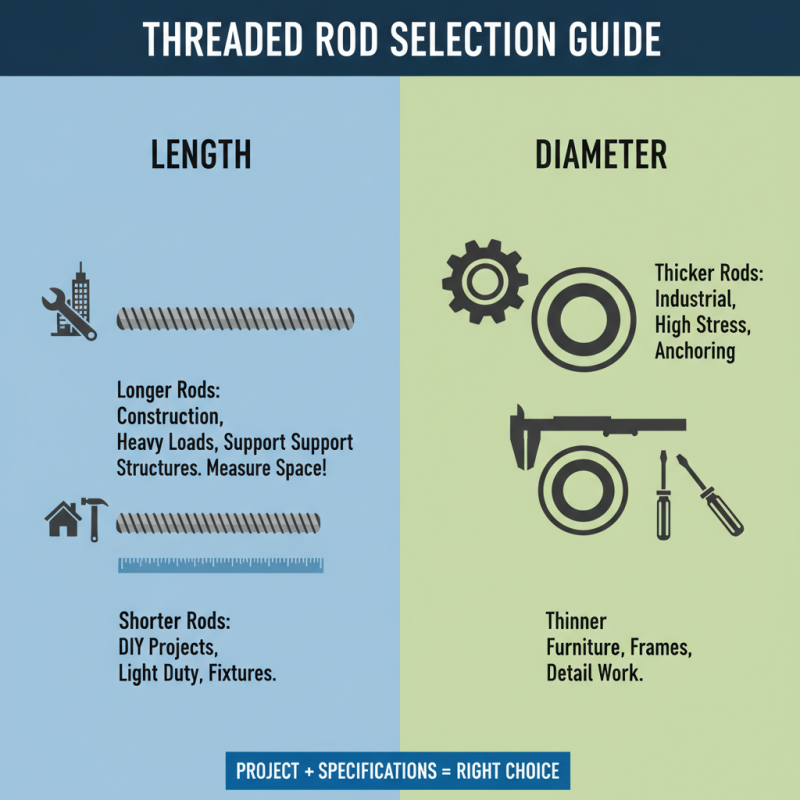
When selecting a threaded rod, paying attention to lengths and diameters is crucial. Different projects require different specifications. For example, a construction task may need a longer rod to support heavier loads. In contrast, a DIY project might only require shorter lengths. Measuring your space accurately helps you make the right choice.
Diameter plays a significant role in the strength of a rod. A thicker rod can handle more pressure, which is vital for safety. However, choosing a rod that is too thick may not fit your assembly needs. It’s essential to find a balance. Always consider the load requirements of your application. Think about whether you need flexibility or rigidity in your design.
**Tips:**
Always check for corrosion resistance. Stainless steel rods offer durability but can vary in quality. Take note of the environment where the rod will be used. Nutritional settings may influence material choice as well. Additionally, sometimes less is more; overly complex specifications can lead to errors. In the end, a simple approach is often effective.
Assessing Cost vs. Performance in Threaded Rod Selection
When selecting a stainless steel threaded rod, cost and performance are key factors. Stainless steel rods come in various grades. Each has unique properties affecting performance. Choosing the right grade can save costs in the long run.
Consider the specific application. Some applications require high strength, while others might need corrosion resistance. Weigh these factors against cost. A cheaper rod might save money upfront but incur higher replacement costs. Think through the consequences of your choice carefully.
Tips:
- Always check the tensile strength ratings. It’s vital for safety.
- Consult with engineers or experts in your field. Their insights can guide you.
- Don’t overlook the environmental conditions of your application. Will moisture or chemicals be present? These factors will impact your choice significantly.