What is Stainless Steel Wire and How is it Used?
Stainless steel wire is a versatile material found in many industries. Its unique properties make it invaluable in various applications. The strength and corrosion resistance of stainless steel wire set it apart from other materials.
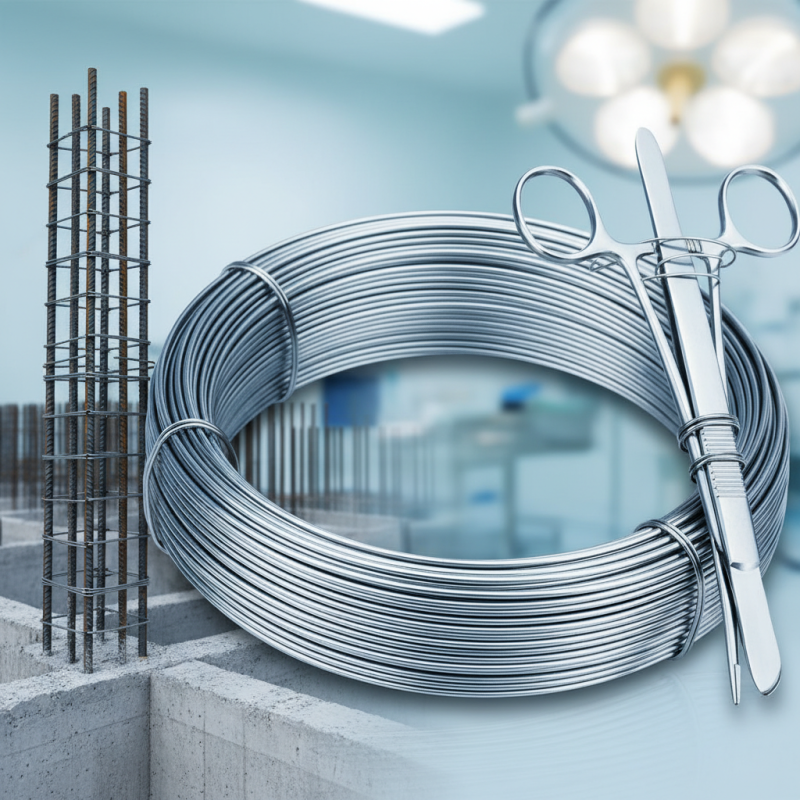
In construction, stainless steel wire is used for reinforcement. It enhances the durability of concrete and structures. Its ability to withstand harsh environments is crucial for long-lasting projects. Many manufacturers choose stainless steel wire for safety and reliability.
In the medical field, stainless steel wire plays a vital role as well. It is used in surgical instruments and implants. The non-reactive nature of stainless steel ensures safety for patients. However, one must consider the proper specifications for each application carefully. Misuse can lead to failures or risks in critical situations.
What is Stainless Steel Wire?
Stainless steel wire is a versatile and durable material widely used across various industries. It is made from a blend of stainless steel, which contains chromium, nickel, and other elements. This composition grants it exceptional resistance to rust, corrosion, and staining. Due to these properties, stainless steel wire is ideal for applications where longevity and reliability are crucial.
In construction, stainless steel wire often serves as reinforcement in concrete and structures. It provides strength without compromising on weight. Additionally, its use in the manufacturing of fences and railings demonstrates its aesthetic appeal and functional robustness. Other important applications include the production of springs and connectors in machinery, where tensile strength and flexibility are vital.
While the benefits are clear, it’s important to consider quality variations in stainless steel wire. Not all stainless steel wires are created equal. Some may lack the necessary properties for specific applications. Understanding the grades of stainless steel can aid in choosing the right wire. Without careful selection, issues such as premature failure or inadequate performance may arise.
Composition and Properties of Stainless Steel Wire
Stainless steel wire is a versatile material, known for its excellent corrosion resistance and strength. Its unique composition includes chromium, nickel, and varying amounts of carbon. The chromium content creates a passive layer on the surface, preventing rust. This makes stainless steel wire ideal for use in harsh environments, such as marine and industrial applications.
The properties of stainless steel wire contribute to its widespread use. It is durable yet flexible, allowing for intricate designs. The wire can withstand high temperatures and is easy to clean. These qualities are essential in industries ranging from construction to medical devices. However, not all grades of stainless steel offer the same level of performance. Some may corrode faster than others under certain conditions, prompting careful material selection.
Manufacturers often face challenges when designing products with stainless steel wire. The wire's tensile strength can be affected by its diameter and alloy composition. Even minor changes in the manufacturing process can impact performance. Designers must consider these factors to avoid potential failures. It’s a complex balancing act to ensure durability while meeting specific requirements. Exploring the properties of stainless steel wire is vital for innovation and development in various sectors.
Common Applications of Stainless Steel Wire in Various Industries
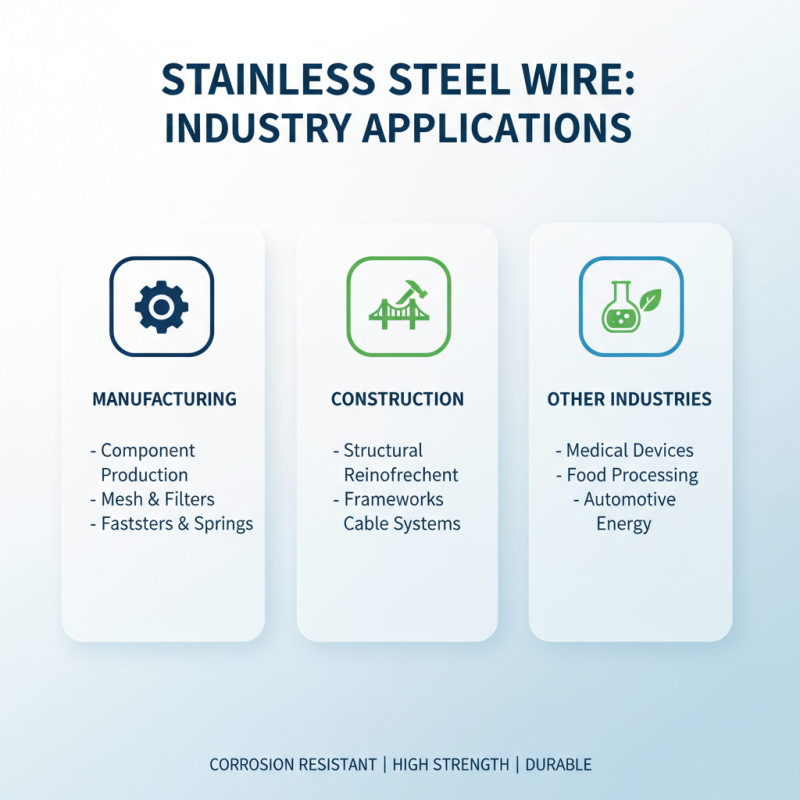
Stainless steel wire is a versatile material used across various industries. Its resistance to corrosion and high strength makes it suitable for demanding applications. In manufacturing and construction, stainless steel wire is essential for reinforcing structures or creating frameworks. Its durability ensures longevity, even in harsh environments.
In the automotive industry, stainless steel wire is often used in the production of springs and cables. These components require high tensile strength and flexibility. The wire's ability to withstand temperature fluctuations adds to its reliability. Additionally, in the medical field, stainless steel wire serves in surgical instruments and implants. The material's biocompatibility is crucial for patient safety.
Despite its advantages, challenges exist. Not all stainless steel wires are equally strong, and variations in quality can arise from production methods. Users must choose the right grade for their specific needs. Without proper selection, failures can occur. It's vital to consider these factors to fully leverage stainless steel wire's potential in various applications.
Advantages of Using Stainless Steel Wire Over Other Materials
Stainless steel wire offers several advantages compared to other materials. Its corrosion resistance is a primary benefit. According to the International Stainless Steel Forum, stainless steel can withstand harsh environments. It proves useful in construction, automotive, and marine applications. The durability of stainless steel wire makes it ideal for products requiring strength and resiliency.
Another significant advantage is its low maintenance requirement. Projects using stainless steel wire often involve less frequent replacements. This can lead to cost savings over time. The wire’s aesthetic appeal also can't be overlooked. In architecture, it provides a modern look with a long-lasting finish. Stainless steel wire can maintain its appearance, even in outdoor settings.
**Tips**: When selecting stainless steel wire, consider the grade. Different grades offer various properties, like strength and corrosion resistance. Testing the wire's tensile strength can provide insights into its performance. Even minor imperfections can affect overall reliability. Always assess your project requirements carefully.
Comparison of Stainless Steel Wire with Other Materials
Manufacturing Process of Stainless Steel Wire and Quality Standards
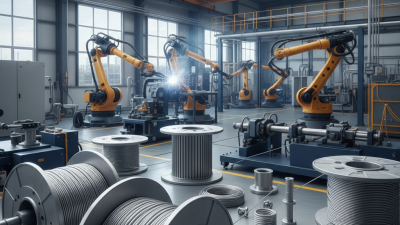
The manufacturing process of stainless steel wire begins with melting raw materials. This includes iron, chromium, nickel, and other alloying elements. The melting process typically occurs in electric arc furnaces. According to industry data, this process can achieve a purity level of up to 99.9%. After melting, the molten steel is cast into billets or slabs.
Once the billets are formed, they undergo hot and cold drawing. This method reduces the diameter while increasing the length of the wire. Cold drawing also enhances mechanical properties, like tensile strength. The American Society for Testing and Materials (ASTM) specifies standards for mechanical properties, ensuring quality and performance. For stainless steel wire, tensile strength can exceed 200,000 psi.
Quality control during production is crucial. Manufacturers must adhere to established standards, such as ISO 9001, to ensure reliability. Regular testing for corrosion resistance, ductility, and elasticity is essential. However, some industries still report variability in product quality. This inconsistency highlights the importance of rigorous testing and quality assurance protocols. While advancements are ongoing, challenges persist in maintaining uniform standards across production facilities.
What is Stainless Steel Wire and How is it Used?
| Dimension |
Type |
Applications |
Quality Standards |
| 0.2mm |
304 |
Electrical Wiring |
ASTM A313 |
| 0.5mm |
316 |
Medical Devices |
ASTM A228 |
| 1.0mm |
302 |
Automotive Springs |
ISO 6932 |
| 1.5mm |
430 |
Construction |
EN 10088 |
| 2.0mm |
410 |
Food Processing |
AISI 410 |