Top 10 Stainless Steel Shackles Buyers Guide for Global Sourcing?
When sourcing stainless steel shackles, understanding their significance is crucial. These hardware pieces are essential in lifting, rigging, and securing applications. Their strength and resistance to corrosion make them preferable for various environments.
However, not all stainless steel shackles are created equal. Choosing the right type requires knowledge of material grades and safety ratings. Many buyers overlook these critical details, which may lead to poor choices. This guide aims to illuminate the essentials of selecting stainless steel shackles effectively.
Navigating the market can be overwhelming. With numerous brands and specifications, clarity is often needed. It’s important to consider your specific needs, whether it's for marine, construction, or industrial purposes. Investing time in understanding these factors ensures safety and reliability in your projects.
Understanding Stainless Steel Shackles: Types and Applications
Stainless steel shackles are essential components in various industries. These devices are commonly used in marine, construction, and industrial applications. They offer durability and resistance to corrosion, which are critical factors in demanding environments. According to industry reports, the global demand for stainless steel shackles is projected to grow by 5% annually over the next five years.
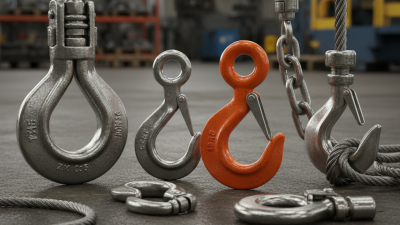
There are several types of stainless steel shackles available. The most common include D-shackles, Bow shackles, and Screw pin shackles. Each type serves specific purposes. D-shackles provide strength for heavy loads, while Bow shackles allow flexibility with wider connections. However, problems can arise when selecting shackles that do not meet load specifications. Incorrect usage can lead to malfunction, posing safety risks.
In addition to their types, the applications of stainless steel shackles vary widely. They are crucial in lifting operations, rigging, and securing loads. A study indicates that 30% of accidents in lifting operations are linked to improper shackle usage. Training workers on safe practices is vital. Users must reflect on their selection process to minimize errors and enhance safety. Understanding these factors can lead to better procurement decisions in sourcing stainless steel shackles globally.
Key Factors to Consider When Sourcing Stainless Steel Shackles
When sourcing stainless steel shackles, several key factors come into play.
Material quality
is critical. Look for shackles made from high-grade stainless steel, as this enhances durability and
corrosion resistance. The type of stainless steel used can affect performance in various environments,
such as marine or industrial settings.
Another important consideration is the shackle design. There are different styles, including
screw pin and bolt-type shackles. Each type serves specific purposes. For example,
screw pin shackles are easier to detach. Ensure that the
design aligns with your intended application.
Safety standards also demand
attention. Shackles must meet recognized safety regulations to minimize risks. Verification of load ratings
is equally essential. Always assess whether the shackle can handle your intended weight loads.
Sourcing from reliable suppliers can further ensure product authenticity and safety.
Top Manufacturers and Suppliers of Stainless Steel Shackles Worldwide
When sourcing stainless steel shackles, you need to know about key manufacturers worldwide.
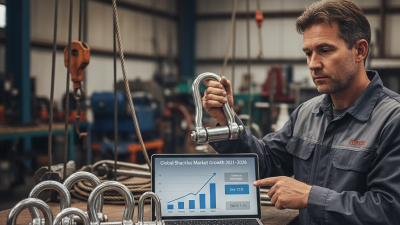
The global market has seen significant growth, projected to reach $5 billion by 2026, according to industry reports.
North America and Europe dominate the market. However, competition from Asian manufacturers is increasing.
Companies in this region often provide cost-effective solutions.
It's essential to choose suppliers with a strong reputation. Look for manufacturers with certifications like ISO 9001.
These certifications indicate adherence to quality management systems. Additionally, many suppliers offer detailed technical specifications.
This data helps in assessing product suitability for specific applications.
Even with ample options, challenges remain. Some buyers report variability in quality among suppliers.
This inconsistency can lead to operational risks. Research is crucial. Buyer feedback can guide new customers toward reliable sources.
While there are uncertainties in the market, informed decisions can mitigate risks.
Quality Standards and Certifications for Stainless Steel Shackles
When sourcing stainless steel shackles, understanding quality standards and certifications is crucial. Various organizations set guidelines ensuring safety and performance. The American National Standards Institute (ANSI) and the International Organization for Standardization (ISO) define critical benchmarks. The ISO 9001 certification, for instance, indicates a manufacturer’s commitment to quality management systems.
In a recent industry report, it was noted that approximately 30% of shackles fail to meet the required tensile strength. This statistic highlights the need for careful sourcing. Inspecting certifications such as ASTM A313 can help guarantee that shackles are crafted from suitable materials. Additionally, corrosion resistance is vital; look for products with at least 304-grade stainless steel.
Tips: Always request test certificates from suppliers. This can verify that shackles meet necessary standards. Inspect the shackle for smooth finishes and sound construction. Any visible defects might signify poor quality.
Understanding quality factors aids in making informed purchasing decisions. Knowledge of certifications helps avoid unreliable products that may fail under load. The consequences of using substandard shackles can be severe, leading to accidents or costly damages. Therefore, prioritize sourcing from reputable manufacturers with recognized certifications.
Cost Analysis: Budgeting for Stainless Steel Shackles Purchases
When budgeting for stainless steel shackles, it's vital to consider several cost factors. Recent industry reports indicate that prices can vary significantly based on material grade. For example, 316 stainless steel is often priced higher due to its superior corrosion resistance compared to 304 grade. This can impact your total expenditure by as much as 20%.
Additionally, purchasing in bulk can yield savings. Buying large quantities often allows you to negotiate better prices with suppliers. However, this requires upfront capital. You might tie up finances in inventory that turns out to be excessive. Always assess your project's needs before committing to large orders.
**Tip:** Consider using a cost-per-use analysis. This approach helps you understand the long-term value of your purchase versus the initial cost, especially when dealing with steel shackles that hold significant weight loads.
Freight and import taxes can also elevate overall expenses. Sourcing globally? Import duties can range from 5% to 15%, impacting your final budget. Research regulations in your region to avoid unexpected charges. A lack of preparation could lead to overspending.
**Tip:** Use a checklist for evaluating potential suppliers. Include quality certifications and customer reviews to ensure you're investing wisely.
Top 10 Stainless Steel Shackles Buyers Guide for Global Sourcing
| No. |
Shackle Type |
Size (mm) |
Weight (kg) |
Price (USD) |
Quantity Available |
Material Grade |
| 1 |
Bow Shackle |
12 |
0.25 |
3.50 |
500 |
Grade 316 |
| 2 |
D Shackle |
10 |
0.2 |
3.00 |
400 |
Grade 304 |
| 3 |
Hammerlock Shackle |
20 |
0.5 |
5.00 |
300 |
Grade 316 |
| 4 |
Quick Link Shackle |
15 |
0.35 |
4.20 |
350 |
Grade 304 |
| 5 |
Lifting Shackle |
25 |
0.8 |
7.00 |
200 |
Grade 316 |
| 6 |
Chain Shackle |
18 |
0.45 |
6.00 |
250 |
Grade 304 |
| 7 |
Towing Shackle |
30 |
1.0 |
9.00 |
150 |
Grade 316 |
| 8 |
Marine Shackle |
22 |
0.6 |
8.00 |
180 |
Grade 316 |
| 9 |
Safety Shackle |
14 |
0.3 |
4.50 |
220 |
Grade 304 |
| 10 |
Multi-Purpose Shackle |
16 |
0.4 |
5.50 |
275 |
Grade 316 |