Top 10 Batching Plant Operation Tips for Global Buyers?
The construction industry heavily relies on efficient Batching Plant Operation. According to a report by Research and Markets, the global concrete batching plant market is projected to reach $6.7 billion by 2028, growing steadily at a CAGR of 5.6%. This growth underscores the importance of optimizing batching plants to enhance productivity and reduce costs.
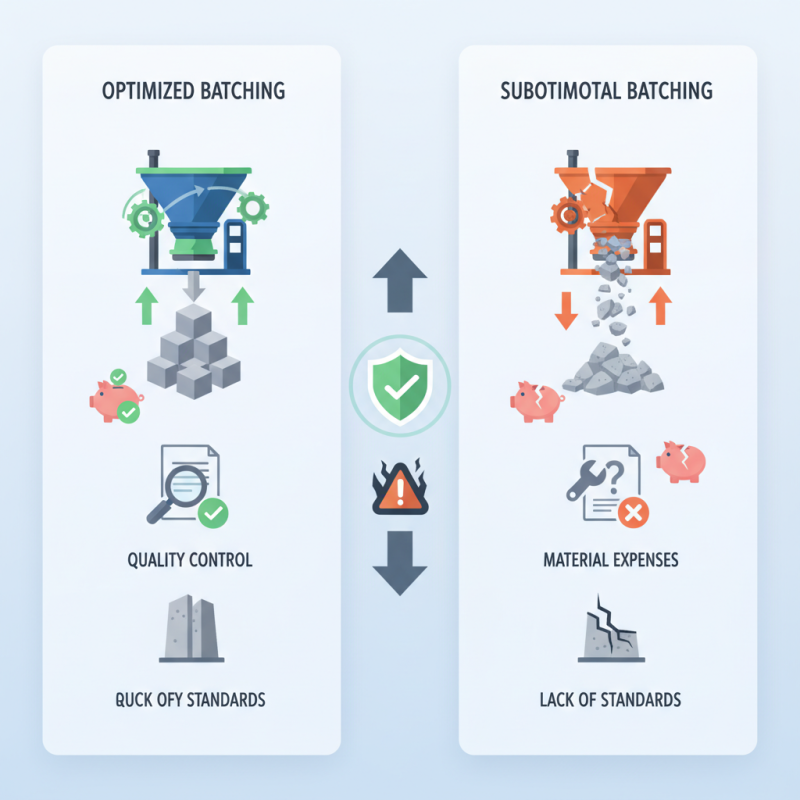
Effective batching plant operation is crucial for ensuring quality in construction projects. Inconsistent mixing can lead to material waste and increased expenses. A study published by the International Journal of Concrete Structures and Materials highlights that improper batching can compromise structural integrity. Therefore, implementing best practices and dos and don’ts is vital for operators.
However, many batch operators overlook basic principles. For example, calibration procedures may be neglected, leading to inaccuracies. Continuous training and adherence to operational guidelines are often the missing links in many facilities. By refining these processes, global buyers can improve batching efficiency and output quality.
Essential Factors to Consider When Selecting a Batching Plant
When selecting a batching plant, several essential factors require attention. Evaluate the technology used in the plant. Advanced control systems enhance efficiency and precision. Look for features like automatic adjustments and real-time monitoring. Such technology minimizes human error and optimizes material usage. Additionally, assess the plant's output capacity. Consider both your current and future needs.
Another critical aspect is the energy efficiency of the plant. Plants that use energy effectively can significantly cut operational costs. Research various mixers and their energy consumption rates. Identify options with good warranties and support services. This will protect your investment and ensure continuous operation.
Maintenance requirements shouldn't be overlooked. Regular upkeep can extend a plant's lifespan. Choose a model that's easy to service. Consult with experts after gathering feedback on previous models. Reflect on your production goals and the plant's specifications continuously. Prioritizing flexibility can help adapt to changing project demands. Ultimately, these decisions affect your overall profitability and project success.
Top 10 Batching Plant Operation Tips for Global Buyers
| Tip Number | Operation Tip | Importance | Considerations |
| 1 | Choose the Right Capacity | High | Analyze project needs and future demand. |
| 2 | Check for Mobility Options | Medium | Evaluate whether stationary or mobile suits your projects better. |
| 3 | Assess Automation Features | High | Look for features that enhance efficiency and minimize errors. |
| 4 | Evaluate Maintenance Needs | High | Consider the ease of maintenance and availability of parts. |
| 5 | Consider Energy Efficiency | Medium | Look for plants with energy-saving features to reduce costs. |
| 6 | Investigate Environmental Compliance | High | Ensure the plant adheres to local environmental regulations. |
| 7 | Review Control Systems | Medium | Choose user-friendly control systems for better operations. |
| 8 | Analyze Material Handling Options | High | Ensure effective handling methods for various materials. |
| 9 | Check for Safety Features | High | Prioritize safety features to protect workers and investment. |
| 10 | Research Supplier Reputation | High | Choose suppliers with a solid track record and customer support. |
Key Operational Guidelines for Effective Batching Plant Management
Efficient batching plant management is crucial. Understanding key operational guidelines can significantly enhance productivity.
Regular maintenance of equipment is vital for smooth operations. Schedule inspections to address potential issues early. Operators should be trained thoroughly. Skill plays a big part in overall efficiency. Monitoring raw material quality is essential too. Poor materials can lead to wastage and inconsistencies.
Implementing a system for real-time monitoring can bring clarity. Adjusting parameters on the fly can prevent costly mistakes. Foster a culture of feedback among team members. Encourage everyone to voice concerns or suggestions. Sometimes, overlooked issues can lead to bigger problems. Prioritize open communication for a better working environment. This not only helps in troubleshooting but also boosts morale.
Maintenance Best Practices for Batching Plants to Ensure Efficiency
Maintaining a batching plant requires attention to detail and a commitment to regular upkeep. Regular inspections can help identify potential issues before they escalate. Trained personnel should perform these checks on key components, such as mixers and conveyor belts, to ensure they are in optimal condition. Most plants create a maintenance schedule, which helps in tracking repairs and replacements efficiently.
Another vital aspect is the calibration of equipment. Accurate measurements are crucial to produce consistent mixtures. If equipment isn’t calibrated regularly, discrepancies can occur, affecting product quality. As a result, operators should frequently monitor and adjust settings. Moreover, a clean working environment plays a significant role in efficiency. Dust and debris can obstruct machinery, leading to malfunctions. Establishing a housekeeping regimen can mitigate this problem.
Lastly, staff training is an often-overlooked component of maintenance. Employees must understand how to operate machinery and recognize early signs of trouble. Investing in training helps build a knowledgeable workforce. This reduces reliance on external consultants and fosters a sense of ownership among employees. Regular workshops and updates on best practices can keep the team informed and engaged. That said, even the best training may not prevent all issues, so constant vigilance is key.
Tips for Enhancing Safety Protocols in Batching Plant Operations
In batching plant operations, safety protocols are critical. Research shows that over 70% of accidents in the construction sector stem from improper safety practices. Emphasizing safety can dramatically reduce these incidents.
One effective tip is to conduct regular safety audits. These audits help identify potential hazards. They encourage proactive measures rather than reactive solutions. Additionally, ensuring that all personnel undergo regular training improves their understanding of safety procedures. Continuous education enhances awareness and compliance.
Another crucial aspect is proper equipment maintenance. Neglected equipment can lead to failures and accidents. A study revealed that 30% of plant incidents are linked to faulty machinery. Implementing a routine maintenance schedule helps mitigate these risks. Furthermore, promoting a culture of safety between team members fosters accountability and communication. It’s vital for everyone to feel empowered to report unsafe conditions without fear of reprisal.
Strategies for Optimizing Production Quality in Batching Plants
Optimizing production quality in batching plants is crucial for efficiency and profitability. According to the National Ready Mixed Concrete Association, improper batching can increase costs by 20%. This highlights the need for accurate measurement and consistent mixing processes. Regular calibration of equipment is a fundamental step in ensuring precision. Frequent checks on scales and mixers can significantly reduce wastage and enhance the overall quality of the product.
Implementing automation can also increase productivity. A report from the World Cement Association notes that automated batching systems can improve accuracy by up to 30%. However, relying too much on automation may lead to a lack of skilled personnel who understand the intricacies of the batching process. Training staff remains essential to prevent potential disruptions in operations.
Quality control measures such as regular testing of raw materials can’t be overlooked. A study from the American Concrete Institute suggests that up to 15% of concrete failures are linked to material quality. Establishing strong relationships with suppliers and conducting thorough inspections will ensure that only high-quality materials are used. Engaging in continuous improvement practices through feedback will help refine processes further, although this often requires time and resources that may not always be available.
Top 10 Batching Plant Operation Tips