Choosing the right custom ratchet straps for 2026 requires more than comparing colors, logos, and advertised load ratings. A dependable strap must match the cargo, vehicle, anchor points, and working environment. Small details matter. Webbing width, stitching quality, hook design, handle comfort, and weather resistance can affect every trip.
This guide examines leading custom ratchet straps through a practical lens. It considers break strength, working load limits, material quality, printing durability, and production consistency. These points help buyers separate useful customization from decoration that weakens performance. Real-world handling also matters. A strap should tighten smoothly, release without a struggle, and remain stable beside sharp edges or changing weather.
Testing is never perfectly simple. Online specifications may omit important conditions, such as testing methods or environmental limits. I may also favor features that suit transport teams more than occasional users. That limitation deserves attention. Reliable decisions come from checking manufacturer documentation, requesting samples, inspecting stitching, and confirming ratings with qualified suppliers. A bright logo is not proof of strength.
The best options for 2026 should combine visible branding with disciplined engineering. They should support consistent use across trailers, trucks, warehouses, and outdoor equipment. This review will compare practical designs, customization choices, safety-focused construction, and long-term value. Some products may look similar. They are not always equal.
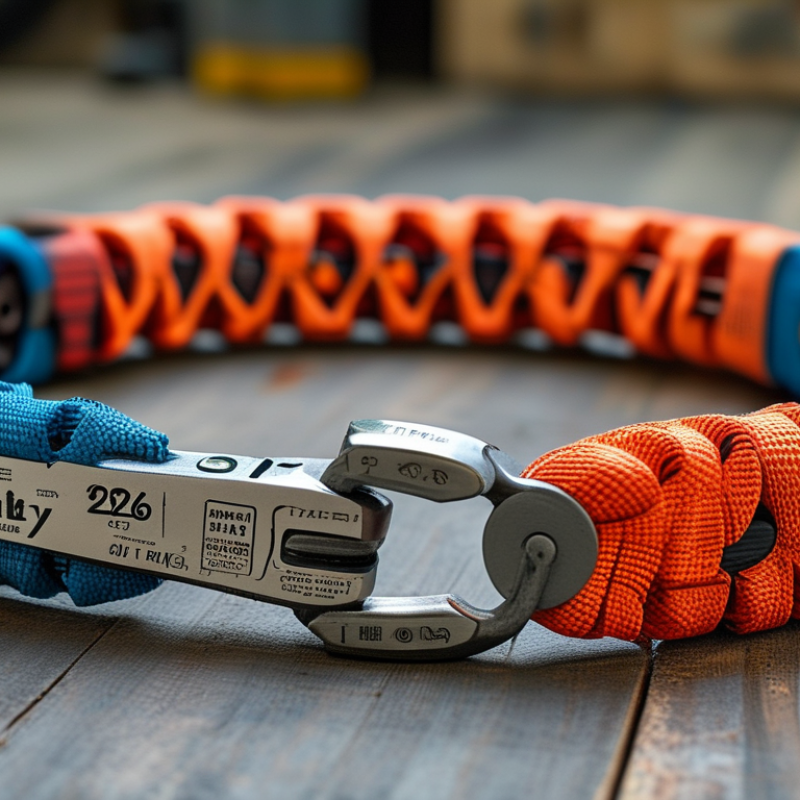
In 2026, a custom ratchet strap becomes a top choice when it matches the load, vehicle, and working environment precisely. Standard straps can leave excess webbing, awkward hooks, or poor tension control. Custom sizing reduces those problems. Fit matters.
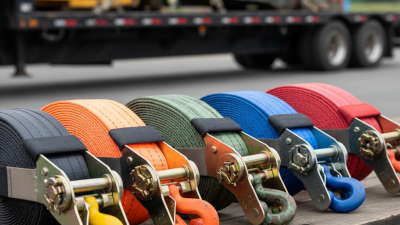
High-strength polyester webbing offers useful resistance to abrasion, moisture, and stretching. The ratchet handle should provide smooth engagement without sharp edges. End fittings must suit the anchor points, whether they are flat hooks, wire hooks, or loop ends. Stitching also deserves close inspection. Reinforced patterns around the hook area can improve durability during repeated use.
A reliable supplier should provide working load limits, material details, and clear inspection guidance. These records support safer purchasing decisions and easier maintenance. In practical load checks, I would examine cuts, melted fibers, bent hardware, and damaged labels before every use. Small defects matter. A custom strap is not automatically stronger because it is customized. Poor dimensions or rushed stitching can make it less dependable. This is where careful measurement and independent quality checks become valuable. Testing should reflect real handling, not only a clean factory sample. Even the best specification needs review after weather exposure, vibration, and frequent tightening.
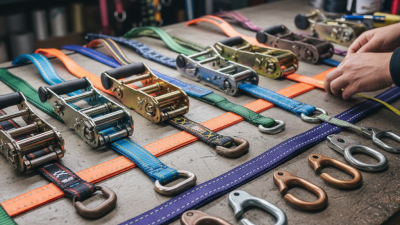
High-quality custom ratchet straps begin with the webbing, not the printed logo. Polyester remains a strong choice because it resists stretching, moisture, and many common chemicals. It also holds tension well around sharp-edged cargo. The 2024 Grand View Research report estimated the global cargo securing equipment market at over USD 1.5 billion, reflecting wider demand for dependable load-control products. That growth should not excuse weak material choices. A strap can look impressive and still fail at the stitching.
For demanding transport work, specify high-tenacity polyester webbing with a clearly marked working load limit. EN 12195-2 requires lashing capacity to be identified and tested through the complete restraint system. The buckle, axle, handle, and end fittings matter equally. A reinforced handle should feel firm, not hollow. Wide webbing spreads pressure across painted metal surfaces. Protective sleeves reduce abrasion where straps touch corners. Small details matter.
Design also changes daily safety. A long handle improves leverage, but excessive leverage may damage the mechanism or encourage over-tightening. I have seen operators trust a clean strap after its edges were already fuzzy. That judgment was poor. The 2023 Bureau of Labor Statistics recorded 1,069 fatal workplace injuries in transportation and material-moving occupations, showing why routine inspection deserves more attention. Custom colors, labels, and reflective threads can improve identification, but they cannot replace load testing, traceable batch records, and practical user training. Some designs still prioritize appearance over hand comfort. That mistake deserves reconsideration.
| Custom Strap Design | Recommended Webbing Material | Typical Webbing Width | Typical Working Load Range* | Best-Suited Applications | High-Quality Design Features | Customization Options | Key Selection Consideration |
|---|---|---|---|---|---|---|---|
| Heavy-Duty Cargo Strap | High-tenacity polyester | 50 mm / 2 in | Approximately 1,000–2,500 daN, depending on the complete assembly | Construction materials, machinery, pallets, and commercial cargo | Reinforced stitching, corrosion-resistant ratchet, wide handle, protective sleeve, and edge-resistant webbing | Webbing color, printed identification, end fitting, handle style, length, and protective sleeve | Confirm the working load limit of the complete strap assembly rather than relying only on webbing strength |
| Standard Utility Ratchet Strap | Polyester webbing | 25 mm / 1 in | Approximately 400–800 daN, depending on hardware and stitching | General transport, household moving, light equipment, and delivery work | Low-stretch webbing, smooth ratchet operation, protected seams, and a corrosion-resistant finish | Custom length, color coding, end hooks, logo-free safety markings, and packaging format | Choose a strap with a clearly marked working load limit and a suitable hook for the anchor point |
| Motorcycle and Powersports Strap | Soft, abrasion-resistant polyester | 25 mm / 1 in | Approximately 400–700 daN, depending on the tie-down configuration | Motorcycles, scooters, recreational vehicles, and showroom transport | Soft loops, coated hooks, handle padding, protective sleeves, and webbing that minimizes contact damage | Soft-loop length, hook type, color, sleeve position, handle design, and printed care instructions | Avoid placing metal hooks or bare webbing against painted, polished, or sharp-edged surfaces |
| Automotive Wheel-Net Strap | High-tenacity polyester with reinforced wheel basket sections | 50 mm / 2 in main webbing | Approximately 1,000–2,000 daN, subject to the full system design | Vehicle recovery transport, car carriers, workshops, and fleet logistics | Adjustable wheel basket, multiple attachment points, reinforced load zones, and abrasion protection | Basket size, hook configuration, strap length, reflective labels, color, and tensioner style | Ensure the wheel basket fits the tire securely and that the anchor points can withstand the applied forces |
| Weather-Exposed Outdoor Strap | Solution-dyed polyester with UV-resistant components | 25–50 mm / 1–2 in | Approximately 500–2,000 daN, depending on width and assembly design | Boats, outdoor equipment, agricultural loads, and long-term exterior transport | UV-resistant webbing, corrosion-resistant hardware, drainage-friendly construction, and durable protective covers | Weather-resistant label, color, length, hardware coating, hook type, and storage wrap | Inspect regularly because sunlight, moisture, salt, chemicals, and abrasion can reduce service life |
| Compact Travel Ratchet Strap | Lightweight polyester webbing | 25 mm / 1 in | Approximately 250–500 daN, depending on the assembly | Roof racks, camping gear, bicycles, luggage, and small recreational equipment | Compact ratchet body, low-profile hooks, soft protective sleeve, and easy-release mechanism | Short fixed end, storage pouch, color pair, length, hook style, and user instructions | Compact size should not be confused with high capacity; match the strap to the cargo mass and restraint method |
| Anti-Theft or Tamper-Aware Strap | High-tenacity polyester with protective outer elements | 25–50 mm / 1–2 in | Approximately 500–2,000 daN, depending on the complete assembly | Shared equipment, event logistics, rental fleets, and visible outdoor storage | Lock-compatible ratchet handle, tamper-evident identification, reinforced webbing, and protected release area | Sequential identification, color coding, serialized inspection fields, and custom operating instructions | Security features support deterrence and accountability but do not replace proper cargo restraint procedures |
| Ergonomic Professional Strap | Low-stretch polyester with abrasion-resistant edges | 25–50 mm / 1–2 in | Approximately 500–2,500 daN, depending on the selected configuration | Frequent-use delivery fleets, warehouses, freight handling, and professional transport | Long or padded handle, controlled release, rounded webbing edges, replaceable protective sleeve, and clear markings | Handle length, grip material, webbing color, label layout, end fitting, and storage solution | Prioritize operator comfort, inspection visibility, and consistent tensioning for repetitive daily use |
| Recycled-Content Polyester Strap | Recycled polyester where verified performance requirements are met | 25–50 mm / 1–2 in | Must be established by testing for the finished assembly | Procurement programs with documented material targets and non-critical cargo restraint | Traceable material documentation, consistent webbing quality, reinforced stitching, and clear load labeling | Material declaration, color, length, hardware, packaging, and inspection information | Request test documentation and verify that sustainability claims do not replace load-rating evidence |
| Important: Working load limits shown above are practical design ranges, not universal ratings. The final working load limit must be established for the complete custom assembly, including webbing, stitching, ratchet, hooks, anchor points, and operating conditions. Always follow the applicable transport regulations, product instructions, inspection requirements, and the lower rating of any connected component. | |||||||
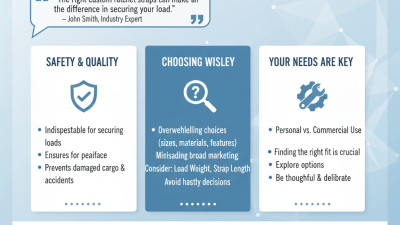
Choosing a custom ratchet strap starts with working load limit, not appearance. I compare the rated capacity with the actual load, movement, and contact points. A strap may look thick but still use weak stitching or unsuitable webbing. Check the label, test documentation, and safety factor carefully. Do not confuse breaking strength with working load limit. That mistake can create false confidence.
Size matters on every job. Wider webbing can spread pressure, while a shorter strap may fit neatly around compact cargo. Measure the load before ordering. Then consider webbing length, handle clearance, and anchor-point distance.
Hardware also deserves close inspection. Coated hooks resist surface damage, but heavy-duty steel hooks may provide better long-term strength. The ratchet handle should move smoothly and lock securely. Small details matter.
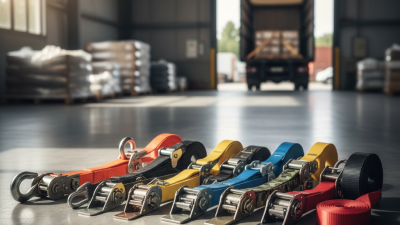
Customization can include color, printed identification, end fittings, stitching patterns, and protective sleeves. Printed markings help teams identify equipment quickly. Color alone is less reliable in poor lighting. I once focused too much on branding space and overlooked sleeve protection. That was a useful correction. Ask for sample images, dimensional drawings, and material details before production. Confirm whether custom printing affects inspection. A strong strap is useful, but a clearly specified strap is safer to select, maintain, and replace. Test fit matters.
Choosing the right custom ratchet strap begins with the load, not the logo, color, or printed message. Measure the cargo weight, shape, edges, and tie-down points. Then select a strap with a Working Load Limit exceeding the required capacity. Breaking strength alone is not enough.
The FMCSA Cargo Securement Handbook states that aggregate Working Load Limit should equal at least 50% of the cargo weight. For a 2,000-kilogram machine, the combined rating should reach at least 1,000 kilograms. Divide that requirement across suitable straps, while considering shifting forces and uneven loading. WSTDA guidance also emphasizes inspecting webbing, stitching, hooks, and ratchets before use.
Check the details.
A custom strap should match the environment. Choose abrasion-resistant webbing for steel edges, weather-resistant materials for outdoor transport, and suitable hook shapes for the anchor points. Wider webbing can improve contact, but it does not automatically increase capacity. The weakest component controls the assembly.
In practice, mistakes happen. I have seen users choose attractive printed straps without checking their labels or ratings. That decision feels small until vibration loosens a load. Confirm readable Working Load Limit markings, consistent stitching, and traceable inspection records. The 2024 Commercial Vehicle Safety Alliance inspection guidance reinforces the importance of securement condition during roadside checks. Customization should support identification, never replace engineering judgment.
For 2026, custom ratchet straps should be selected around the load, vehicle, and working environment. Polyester webbing resists stretching and moisture better than many alternatives. Choose assemblies with visible working load limit labels, reinforced stitching, and corrosion-resistant hardware. A strong-looking strap is not automatically safe. The label matters more.
For U.S. highway transport, FMCSA cargo-securement guidance requires the aggregate working load limit to equal at least half the cargo weight. Other jurisdictions may apply EN 12195-2 or comparable national standards. Users should verify the applicable rule before ordering custom lengths. The U.S. Bureau of Labor Statistics recorded 1,075 fatal injuries in transportation and material-moving occupations in 2023. That figure is not strap-specific, but it shows why securement decisions deserve attention.
Inspect every strap before use. Look for cuts, melted fibers, pulled stitching, crushed webbing, bent handles, and distorted hooks. Remove damaged equipment immediately. Do not sew over a failure or paint the webbing. The WSTDA Tie Down Assemblies standard emphasizes rated capacity and proper inspection, yet field habits remain inconsistent. That is the uncomfortable part. Many failures begin with routine shortcuts.
Keep straps dry, clean, and away from sharp edges. Store them loosely coiled in a ventilated cabinet. Never drag them across asphalt. After exposure to chemicals, salt, or extreme heat, inspect them again. A monthly checklist helps, but it cannot replace a pre-use inspection. Even experienced operators miss subtle fiber damage.