Top Cable Railing Hardware Suppliers for Global Buyers?

Choosing a cable railing hardware supplier is not just a price comparison. Buyers need components that fit their project, arrive reliably, and perform well outdoors. A typical system may include stainless steel cables, terminals, tensioners, posts, and compatible fittings. One mismatched part can complicate installation or affect the finished appearance. Details matter.

Supplier comparisons can be difficult because product names, material grades, and service claims vary. A polished catalog does not always explain how a fitting handles repeated tensioning or exposure to moisture. Ask for clear specifications, installation guidance, material documentation, and sample availability where practical. Confirm lead times, packaging, replacement-part support, and communication across time zones. These checks help distinguish a capable manufacturer from a reseller with limited technical support.

This guide examines what global buyers should look for when evaluating top cable railing hardware suppliers. It considers product range, manufacturing capability, quality controls, customization, and export experience. It also highlights questions to ask before requesting a quotation, so comparisons reflect the full project rather than unit price alone. No supplier is perfect for every application. Even a well-organized checklist can miss a site-specific constraint, such as unusual post spacing or coastal exposure. Treat supplier claims as a starting point, verify details against project requirements, and involve a qualified installer when system compatibility is uncertain.
Top Cable Railing Hardware Suppliers for Global Buyers?

Cable Railing Hardware: Components, Materials, and Applications

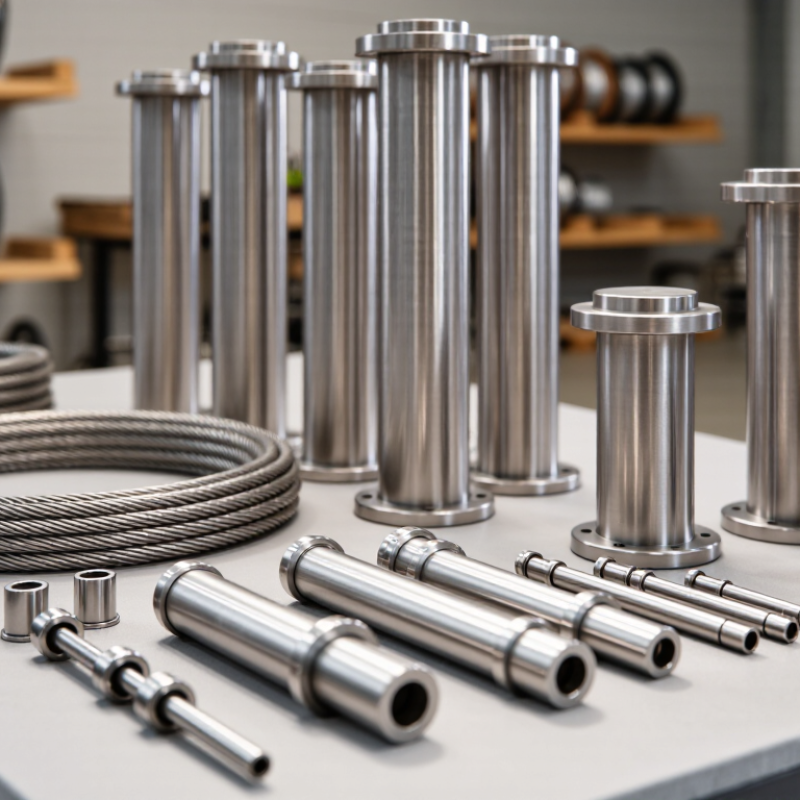
Cable railing hardware is a coordinated system, not just a length of cable. Posts carry tension, while end terminals anchor each cable run. Intermediate fittings help maintain consistent spacing. A top rail provides a handhold and can improve overall rigidity. Small details matter. Mismatched fittings may make installation harder or leave cables uneven.

Stainless steel is widely used for cables and fittings because it offers strength and corrosion resistance. The right material still depends on the setting. Salt air, frequent rain, and cleaning chemicals can affect service life. Cable railing suits decks, balconies, stairways, and some interior spaces where an open view is important. Before selecting components, check cable diameter, post spacing, fixing details, and the supplier’s technical documents. A product photo alone tells you little.

Tips: Ask for material specifications and installation drawings. Confirm that terminals match the cable size and post design. For exposed locations, discuss corrosion resistance and maintenance needs with the supplier. There is no universal setup; site conditions can change the choice. Even a careful plan may need adjustment once the actual structure is measured.

Top Cable Railing Hardware Suppliers for Global Buyers? - Cable Railing Hardware: Components, Materials, and Applications
Supplier Category Typical Hardware Common Materials Typical Applications What Global Buyers Should Verify
Complete-system suppliers Cable, end fittings, tensioners, posts, and compatible rail components supplied as a coordinated system. Commonly stainless-steel fittings with stainless-steel cable; posts and rails may be stainless steel, aluminum, or wood. Residential decks, balconies, stairs, and commercial guardrails. Confirm component compatibility, installation instructions, replacement-part availability, and documentation for the intended building code and market.
Cable and wire-rope suppliers Flexible wire rope, commonly offered in nominal diameters such as 1/8 in (3.2 mm) or 3/16 in (4.8 mm), depending on the system. Stainless-steel grades such as 304 or 316; grade selection should reflect exposure and project requirements. Horizontal or vertical infill for indoor and outdoor railing systems. Check cable construction, diameter, grade traceability, breaking-load data, finish, and compatibility with the specified fittings.
Terminal and fitting specialists Swage terminals, threaded studs, fork terminals, jaw fittings, and other cable-end connectors. Often stainless steel; some systems use fittings designed for mechanical installation without field swaging. Cable termination at end posts, corners, and intermediate connection points. Verify cable-size range, required tools, installation method, thread dimensions, and whether the fitting is suitable for the project’s environment.
Tensioning-hardware suppliers Turnbuckles, inline tensioners, threaded tensioning studs, and related adjustment hardware. Stainless steel is common for exposed railing hardware; material grade and finish vary by product. Systems requiring cable tension adjustment during installation or maintenance. Check adjustment range, load information, access for future retensioning, and the manufacturer’s installation sequence.
Post, rail, and structural-component suppliers Posts, top rails, intermediate supports, base plates, and mounting brackets. Stainless steel, aluminum, or timber, selected according to design, structural requirements, and exposure. Decks, balconies, stairways, terraces, and other guardrail installations. Review post spacing, anchorage details, structural calculations where required, finish compatibility, and local guardrail requirements.
Marine and coastal hardware suppliers Corrosion-resistant cable, terminals, tensioners, and mounting hardware intended for demanding outdoor exposure. Grade 316 stainless steel is commonly selected for improved corrosion resistance in chloride-containing environments; no stainless grade is maintenance-free in every exposure. Coastal properties, waterfront structures, and other exposed outdoor settings. Ask for material-grade documentation, cleaning and maintenance guidance, and recommendations for the site’s actual salt and pollution exposure.

Supplier categories are presented for comparison, not as a ranked list. Product dimensions, materials, load ratings, and code requirements vary by system, installation, and market; confirm project-specific details before purchasing.

How to Evaluate Suppliers for International Projects

Top Cable Railing Hardware Suppliers for Global Buyers?

How to Evaluate Suppliers for International Projects

For an international project, compare more than catalog prices. Ask suppliers for material specifications, finish details, and test reports tied to the exact hardware being quoted. Check whether terminals, posts, and cable diameters are designed to work together. A sample kit can reveal rough threads or inconsistent finishes before a large order ships. Small details matter. Also confirm production capacity, lead times, packaging methods, and who handles technical questions across time zones.

Tips: Request a recent inspection record and a clear parts list. Ask how replacement parts are identified. Compare responses, not just promises. A useful supplier should explain limitations without hiding behind vague claims.

Before placing an order, review installation instructions and confirm that project-specific drawings match the supplied components. Clarify how cartons are labeled and whether spare fittings can be ordered later. For coastal sites, discuss exposure conditions and suitable finishes with a qualified project professional; one coating is not right for every location. Check shipping terms, insurance responsibilities, and document availability with your procurement team. Even careful checks miss things sometimes. I would still inspect the first delivered batch, because a polished sample does not guarantee every production run will feel identical.

Leading Cable Railing Hardware Suppliers and Their Product Ranges

Top Cable Railing Hardware Suppliers for Global Buyers?

Leading suppliers typically offer more than cable alone. Their ranges may include stainless-steel wire, swage or mechanical terminals, tensioners, end fittings, posts, and installation tools. Some provide complete kits; others sell components separately. That difference matters when a project uses timber posts, metal frames, or unusual corner layouts. Check that the cable diameter, fitting type, and post design are compatible before ordering. Small mismatches can complicate installation.

Tips: Ask for a parts list, material specifications, and a clear installation drawing. Confirm which components suit indoor or outdoor exposure. Request sample fittings when dimensions are unclear. Details matter.

A dependable supplier should explain product limits, available finishes, and replacement-part options. Look for consistent technical documents, not just polished product photos. For coastal projects, ask about the stainless-steel grade and maintenance guidance. A wide catalog is useful, but it does not prove every combination has been tested. I would also compare lead times and packaging details; long shipments can expose small parts to loss or damage. Even careful planning misses something now and then. Keep a spare fitting or two.

Global Sourcing: Certifications, Shipping, and Compliance

For global buyers, cable railing hardware should be checked against the rules for its destination, not just a supplier’s general claims. Ask for current test reports covering load performance, corrosion resistance, and the exact fitting or cable construction being purchased. Confirm that the report names the same material grade and finish as your quotation. Paperwork matters.

A certificate is useful only when its scope matches the product and market. Request the issuing laboratory’s details, report date, and model references, then verify them independently where possible. Stainless steel grade, coating thickness, and cable diameter can affect performance, especially near saltwater. Small differences count. I have seen buyers focus on polished samples while overlooking whether replacement parts share the same specifications.

Shipping checks deserve equal attention. Confirm packaging prevents scratches and moisture exposure, and request carton dimensions, gross weights, and a packing list before dispatch. Customs documents should describe the goods and materials accurately; requirements vary by country, so confirm them with a qualified customs broker. Also agree on who handles duties, inspections, and damage claims. Delays happen. A supplier may provide helpful documents, but the buyer still needs to confirm local building requirements with the project’s qualified professional.

Comparing Suppliers by Quality, Customization, and Support

Choosing cable railing hardware for a global project takes more than comparing unit prices. Check whether suppliers provide material certificates, batch inspection records, and test data for the intended configuration. Ask how they control cable diameter, fitting dimensions, and surface finish. Small details matter. A polished sample is useful, but it cannot prove every production batch is consistent.

Customization should solve a site-specific problem, not just look different. Compare suppliers’ ability to review drawings, adjust post spacing, and produce compatible fittings. Request a sample or dimensional drawing before approving a large order. Support matters just as much: clear installation instructions, accessible technical staff, realistic lead times, and replacement-part availability can prevent costly delays. Replies that arrive quickly but avoid precise answers deserve a second look.

Tips: Send the same drawing and cable specifications to each supplier. Compare written responses, not promises. Confirm packaging, spare parts, and delivery estimates. Keep one question open: what would they change after seeing the actual site conditions?

Top Cable Railing Hardware Suppliers: Buyer Evaluation Priorities

This illustrative 100-point framework allocates the greatest weight to product quality, with customization and support weighted equally. These are suggested buyer priorities—not measured supplier performance or survey results.