Top Uses of Stainless Cable in Various Industries Today?
In today’s fast-paced industrial landscape, the use of stainless cable is becoming increasingly vital. According to Dr. Emily Richards, a renowned expert in materials engineering, “Stainless cables are key in enhancing the durability and reliability of many applications.” This insight underscores the importance of stainless cable in industries ranging from construction to aerospace.
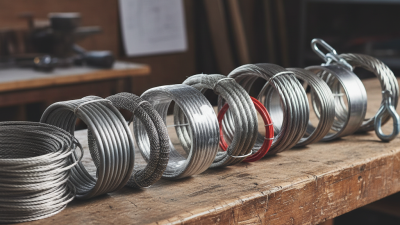
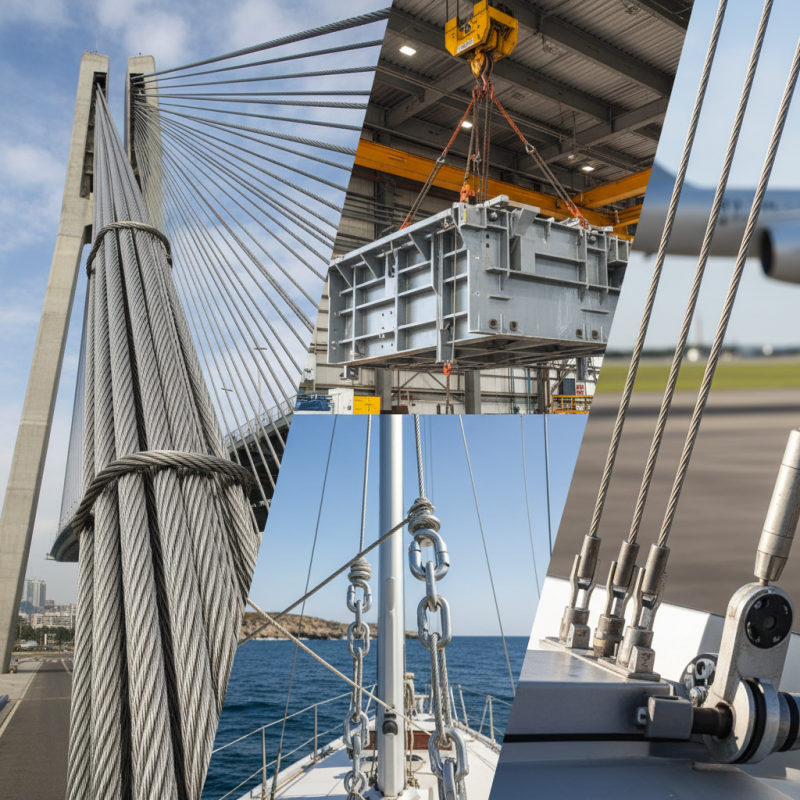
Stainless cables, known for their strength and corrosion resistance, are essential for various applications. They are used in lifting systems, suspension bridge cables, and marine rigging. These applications highlight how stainless cable can withstand harsh environments while maintaining integrity. Nevertheless, challenges exist. The cost of stainless materials can be prohibitive, leading some companies to seek cheaper alternatives.
Organizations must weigh the long-term benefits against initial costs. Investing in stainless cable improves overall safety and efficiency. Yet, it requires careful planning and consideration. As industries evolve, stainless cables will play a pivotal role in innovation, but the choice to use them must align with specific operational needs.
Top Uses of Stainless Cable in Construction and Infrastructure
Stainless cable is increasingly vital in construction and infrastructure sectors. Its durability and corrosion resistance make it ideal for various applications. According to a 2022 report by the International Stainless Steel Forum, the construction industry accounts for nearly 30% of stainless steel usage. This highlights its importance in building projects.
One significant use is in the reinforcement of concrete structures. Stainless cable enhances the tensile strength of concrete, allowing for longer spans and reduced maintenance. In seismic regions, using stainless cable helps structures withstand natural disasters. A study by the American Concrete Institute found that structures using stainless cable required 40% less maintenance.
Another critical application is in cable-stayed bridges. The strength of stainless cables allows for slender designs, improving aesthetic appeal. Additionally, they require less material, reducing the overall weight of the structure. However, the initial cost can be higher, prompting some engineers to consider alternative materials. This requires ongoing debate about balancing cost and long-term performance.
Stainless Cable Applications in Marine and Shipping Industries
Stainless cable plays a critical role in the marine and shipping industries. Its resistance to corrosion makes it a preferred choice for various applications at sea. Ships face harsh environments, with saltwater and extreme weather. Using stainless cables helps ensure the safety and durability of critical components.
In mooring applications, stainless cables are essential for securing vessels in port. They provide strong support under heavy loads. Many ships employ these cables for rigging, ensuring that sails and other structures remain taut. These cables also find use in safety lines, offering protection to crew members working at heights.
Despite its advantages, using stainless cables isn't without challenges. Improper installation can lead to failures and hazards. Regular maintenance is crucial to prevent rusting and wear. Even in the best conditions, cables may degrade over time, necessitating frequent inspections. Balancing the benefits and potential issues requires expertise in marine operations.
Role of Stainless Cables in Automotive and Transportation Sector
In the automotive and transportation sector, stainless cables provide crucial support in various applications. These cables are resistant to corrosion, ensuring longevity even in harsh environments. They are often used in brake systems, steering mechanisms, and suspension components. This resistance to wear and tear is vital for vehicle safety and performance.
Moreover, stainless cables enhance the efficiency of various transportation systems. For instance, they play a role in securing loads in freight transport. Proper load security reduces the risk of accidents and improves fuel efficiency. Additionally, stainless cables are also utilized in rail systems, where they support signaling and communication infrastructures.
However, the reliance on stainless cables is not without challenges. Manufacturing standards and quality control must be strictly maintained to ensure performance. Any failure could lead to serious safety issues. The industry often faces hurdles in ensuring that all products meet these high standards consistently. Continuous evaluation and improvements are necessary to address these concerns.
Top Uses of Stainless Cable in Automotive and Transportation Sector
This chart illustrates the various applications of stainless cables within the automotive and transportation sectors, highlighting their significance and usage trends.
Stainless Cable Utilization in Telecommunications and Electronics
Stainless cable has become essential in telecommunications and electronics. Its durability and resistance to corrosion make it an ideal choice for this industry. Modern telecommunications rely on stainless cable for various applications. Whether in fiber optics or signal transmissions, this cable provides stability and efficiency.
In electronics, stainless cables are often used in devices that require high performance. They ensure reliable connections, crucial for maintaining signal integrity. From data centers to mobile networks, these cables enhance speed and reliability. However, not all applications fully leverage their benefits. Some companies hesitate to adopt stainless materials due to cost concerns.
Yet, the investment can lead to longer lifespans for equipment. Over time, this reduces maintenance costs and downtime. The performance advantages are clear, but some businesses still cling to traditional materials. This hesitation might stem from a lack of awareness about stainless cable capabilities. Establishing trust in these innovative solutions is vital for industry growth.
Top Uses of Stainless Cable in Various Industries Today
| Industry |
Application |
Material Properties |
Key Benefits |
| Telecommunications |
Cable Support Systems |
Corrosion Resistant |
Durability in Outdoor Installations |
| Electronics |
Wire Harnesses |
Low Electrical Resistance |
Improved Signal Integrity |
| Construction |
Reinforcement and Ties |
High Tensile Strength |
Reliability under Load Stress |
| Automotive |
Cable Assemblies |
Temperature Resistance |
Safety and Longevity |
| Aerospace |
Control Cables |
Lightweight |
Fuel Efficiency |
Innovative Uses of Stainless Cable in Agriculture and Food Processing
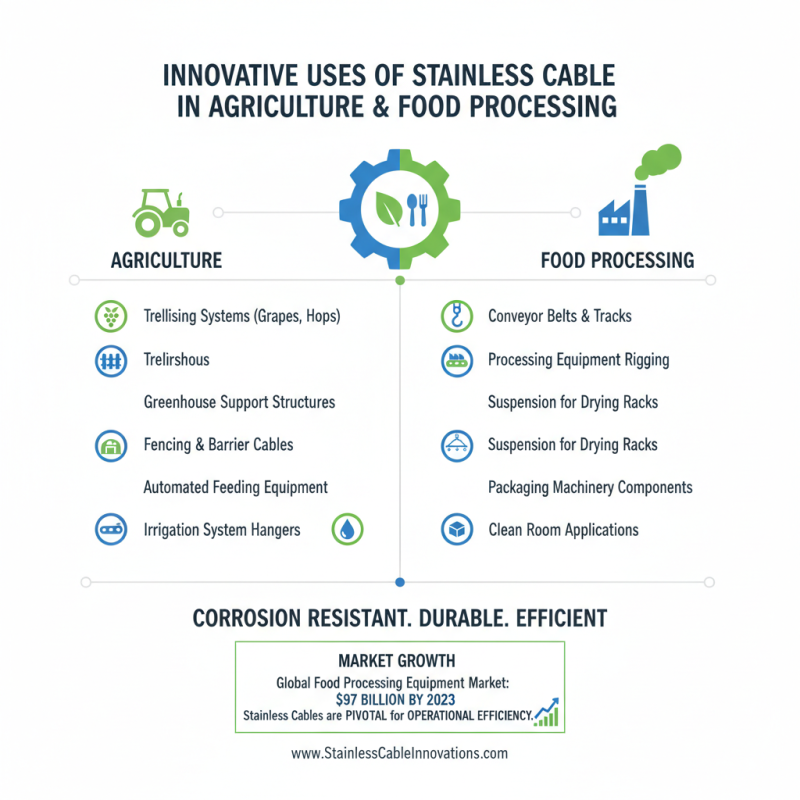
Stainless cable plays a crucial role in agriculture and food processing. Its resistance to corrosion makes it ideal for environments with moisture and exposure to chemicals. According to a recent industry report, the global food processing equipment market is projected to reach $97 billion by 2023. Stainless cables are pivotal in ensuring operational efficiency in this expanding market.
In agriculture, stainless cables are often used for tensioning structures like greenhouses and satellite irrigation systems. These cables can withstand significant stress, essential for supporting structural integrity. A study showed that utilizing stainless steel in agricultural applications reduces maintenance costs by up to 20%. This efficiency is key for farmers striving to maximize yield while minimizing downtime.
The food industry also benefits from stainless cable. Using these cables helps maintain hygiene standards, as they can be easily cleaned and sanitized. Reports indicate that contamination in food processing leads to losses exceeding $15 billion annually. Stainless cables contribute to safer operating conditions and prevent any cross-contamination, underscoring their importance in a sector where safety is paramount.