2026 Best Square U Bolts for Industrial Use?
Choosing the right square u bolts for industrial use is not just a matter of matching dimensions. A bracket may look suitable on a workbench, yet loosen under vibration or fail to clear a thick frame. In 2026, buyers still need to compare fit, material, finish, and verified load information before placing an order. Details matter.
This guide looks at the features that separate dependable options from products that merely appear heavy-duty. We’ll consider steel grade, thread quality, bend consistency, and corrosion protection, along with how each choice affects installation and service life. A zinc-coated bolt may suit a dry indoor assembly, while a harsher environment may call for another specified finish. Always check the manufacturer’s data and application requirements; coating names alone do not establish performance.
The best choice depends on the assembly. Measure the outside width and inside clearance, then confirm rod diameter, thread length, and compatible nuts or washers. Check whether the bolt bears evenly against the frame, since uneven contact can concentrate pressure at the bend. That small detail is easy to miss. Product listings can also leave gaps, and an impressive load figure may not describe the exact installation. Treat unclear specifications as a reason to ask questions, not as proof of quality. The sections ahead provide a practical framework for comparing square u bolts, assessing supplier information, and narrowing options for real industrial conditions. There is no single winner for every site. A careful match is usually the safer and more durable one.
What Square U Bolts Are and How They Work
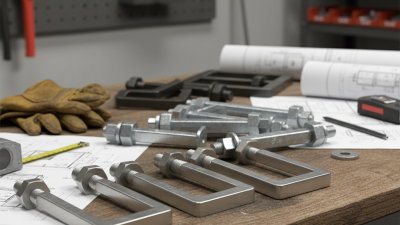
A square U bolt has two threaded legs joined by a squared bridge. The bridge sits over a square tube, frame, or support; nuts draw the legs against a plate or saddle underneath. This creates a clamp around the member. Simple in principle. In practice, the fit matters: a rounded bend can leave gaps at the corners, while a tight fit can damage coatings or distort thin-wall tubing.
NASA’s Fastener Design Manual, RP-1228, explains the common torque relationship T = KFd, where torque depends on bolt diameter, clamp load, and a friction factor. That matters because a wrench reading does not directly prove the joint has the right clamping force. Tighten both nuts in small, alternating steps, then check that the bridge sits square and the load is shared. Not perfect science in the field. It still beats tightening one side hard and hoping.
For industrial selection, check inside width, leg length, thread size, material, coating, and the load direction against the actual assembly. ASME B18.31.5 provides dimensional guidance for U-bolts, but it does not replace a load-specific engineering check. Vibration, corrosion, and uneven contact can loosen or weaken a joint. If the tube wall is thin, add a backing plate or consult a qualified engineer before installation.
2026 Best Square U Bolts for Industrial Use? — What Square U Bolts Are and How They Work
Square U-bolts have two threaded legs joined by a squared bend, allowing them to secure square or rectangular members. This chart converts common nominal rod diameters from inches to millimeters (1 inch = 25.4 mm). Choose a U-bolt by checking the required inside width, leg length, material, finish, and application-specific load rating; diameter alone does not determine suitability.
Key Specifications for Industrial Square U Bolts in 2026
2026 Best Square U Bolts for Industrial Use?
For industrial square U bolts, fit and verified strength matter more than appearance. Check the inside width, inside length, rod diameter, and thread length against the equipment drawing. A small mismatch can make installation difficult or concentrate pressure on a frame rail. Measure the actual mounting surface when possible. Paint and weld seams can change the available clearance.
Material and finish should match the working environment. Carbon steel may suit many dry indoor applications, while stainless steel can help resist corrosion in wet or washdown areas. Neither choice is universal. Confirm material grade, coating thickness, thread engagement, and load data with the supplier. Ask whether ratings apply to the complete assembly or only the fastener. That distinction matters. For lifting, vibration, or safety-critical equipment, have a qualified engineer review the design rather than relying on a catalog description. Even a carefully selected bolt can loosen if installation torque or support spacing is wrong.
Tips: Compare the bend radius with the part being clamped, and use compatible washers and nuts. Keep threads clean during fitting. Recheck the assembly after initial operation, especially where vibration is present. One detail is easy to miss: overly tight clamping may deform thin-wall tubing. It is worth checking the tube wall and contact area before ordering; specifications alone do not tell the whole story.
Materials and Coatings for Strength and Corrosion Resistance
For industrial square U bolts, material choice starts with the load and the environment. Carbon steel offers useful strength and is commonly selected for machinery frames, cable supports, and square tubing. Match the bolt size and grade to the assembly; a thick-looking part is not automatically stronger. Check the specified load and installation requirements.
Stainless steel can resist moisture and many corrosive conditions, but its performance depends on the environment. Salt spray, cleaning chemicals, and trapped water can all change the result. In some assemblies, stainless hardware may also gall during tightening, so controlled installation matters. A small test assembly can reveal problems before a full installation.
Coatings add another layer of protection. Zinc finishes suit many indoor or mildly exposed applications, while hot-dip galvanizing generally provides a thicker protective layer for outdoor service. Coating thickness and coverage around bends and threads deserve attention. Scratches can expose the underlying steel. Inspect the U bolt after handling, and avoid assuming that every coating works in every setting. I would also recheck the choice after the first maintenance interval; real exposure can be less predictable than a specification sheet suggests.
How to Select the Right Square U Bolt for an Industrial Application
Selecting the right square U bolt starts with the load path, not the catalog photo. Record the pipe or frame’s outside dimensions, surface shape, required clearance, and expected vibration. Match the bolt’s inside width and leg length to the assembly; a close fit reduces shifting, but an undersized bend can create point loads. Specify material and coating for the actual environment, such as damp indoor service or outdoor exposure. The World Steel Association’s World Steel in Figures 2025 reports 1,882.6 million tonnes of crude steel production in 2024. That scale shows how broad the steel supply is; it does not establish a U bolt’s load capacity. Check product-specific test data and applicable material specifications instead.
Tips: Measure the assembled parts, not just the drawing. Confirm thread size, usable thread length, nut compatibility, and washer clearance. Ask for the manufacturer’s dimensions and load information, and have a qualified engineer review critical or dynamic applications. Fit matters. A U bolt can look substantial yet still distort thin tubing when tightened too hard. Use a controlled tightening method and inspect for movement or surface damage after installation. I still find coating thickness easy to overlook: it can change the effective fit, especially around a tight bend. Verify it before ordering.
Quality Standards, Inspection, and Safe Installation
Square U-bolts carry loads through their bends, threads, nuts, and contact surfaces. A clean finish is not proof of sound steel. Specify material grade, dimensions, coating, and traceable inspection records before purchase. ASME B18.31.5 covers dimensional requirements for U-bolts and bent bolts; confirm the applicable edition and project specifications. Do not assume a standard’s dimensions establish the required load capacity.
Inspect each part under good light. Look for cracks near the bend, flattened sections, damaged threads, corrosion, and uneven leg spacing. Measure the inside width and leg length against the drawing. Check that both legs seat evenly, with washers and nuts bearing fully on the assembly. This check is easy to rush. It should not be.
The U.S. Bureau of Labor Statistics reported 2.6 million nonfatal workplace injuries and illnesses in private industry for 2023. That figure is not U-bolt-specific, but it underlines why routine checks matter.
During installation, use the specified tightening method and torque for the actual material, finish, and lubrication. A generic torque chart can mislead; friction changes clamp force. Tighten evenly, then verify alignment and seating. Never pull misaligned legs into place by forcing the nuts. Record the part identification, inspection findings, and final checks. Honestly, records can feel tedious. They also make a later failure easier to investigate.