2026 Top Types of Eye Bolts for Global Buyers?
Choosing the right eye bolts in 2026 requires more than comparing prices and thread sizes. Global buyers must match each design with its actual application, installation method, and expected load. Common options include shoulder eye bolts, regular ring eye bolts, screw eye bolts, and lifting-rated designs. Each type behaves differently under straight tension, angled loading, vibration, and repeated use. A bright zinc finish may look reliable, but it does not automatically prove long-term corrosion resistance.
This guide introduces the main eye bolts used across construction, machinery, marine equipment, renewable energy, and industrial maintenance. It considers materials such as carbon steel, stainless steel, and alloy steel. It also reviews thread standards, dimensions, working load limits, surface treatments, and documentation. Buyers should check whether products follow recognized specifications, such as ASME or DIN requirements, where applicable. Supplier experience matters too. Test reports, heat numbers, inspection records, and clear marking can reveal more than a polished product page.
Small details matter.
A shoulder eye bolt may support better alignment when installed correctly. A plain eye bolt may be unsuitable for angular lifting. This distinction is often overlooked. Even experienced purchasers can rely too heavily on nominal size or appearance. That is a practical weakness worth acknowledging. Product selection should include a site assessment, qualified technical advice, and verification of the manufacturer’s stated capacity. Packaging, traceability, and consistent quality control also affect global sourcing decisions. The best choice is not always the cheapest or strongest option. It is the one that fits the load path, environment, standard, and maintenance plan with documented evidence.
What Are Eye Bolts and How Are They Used?
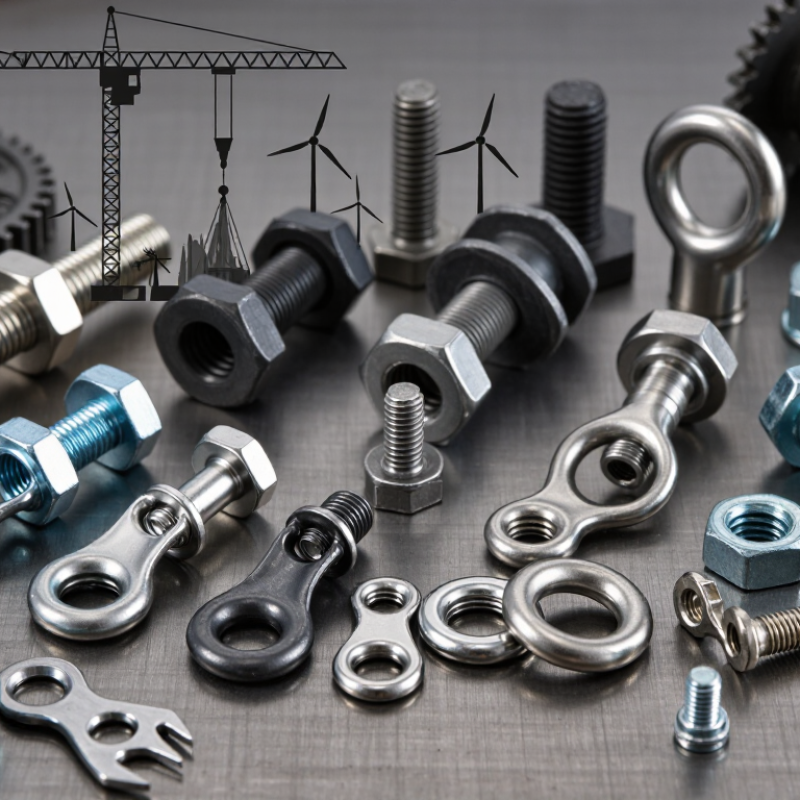
Eye bolts are threaded lifting or anchoring fasteners with a circular eye. They connect ropes, slings, hooks, cables, or tie-down systems to equipment and structures. Their use seems simple. The loading direction is not.
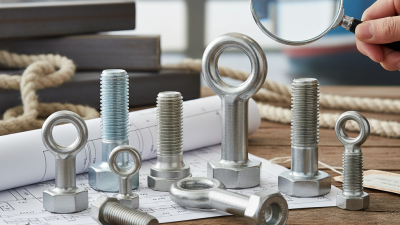
Common types include plain eye bolts, shoulder eye bolts, and screw-eye bolts. Plain eye bolts suit straight, vertical loading. Shoulder eye bolts provide better support when the load angle changes, but only when installed correctly. Screw-eye bolts usually serve lighter anchoring work, such as cables, panels, and small fixtures. Always check the working load limit, thread size, material grade, and eye diameter.
The 2024 Fortune Business Insights lifting equipment report valued the global market at about USD 77.7 billion in 2023. That scale reflects growing demand for dependable lifting hardware, but market growth does not make every eye bolt suitable. ASME B18.15 and DIN 580 provide useful dimensional and lifting guidance for selected designs. In practice, buyers should confirm whether the product is rated for lifting or only fastening. I have seen this distinction overlooked.
Inspect threads, bends, corrosion, and cracks before use. The bolt should sit fully against a clean, strong surface. Do not side-load a plain eye bolt casually. That mistake can deform the eye or reduce capacity sharply. Manufacturers’ test certificates help, but paperwork cannot replace visual inspection. Real installation conditions often differ from catalog drawings.
Which Types of Eye Bolts Are Available in 2026?
In 2026, global buyers can choose from several eye bolt types. Shoulder eye bolts support more controlled angular loading when correctly installed. Non-shoulder eye bolts suit straight vertical lifting only. Their simpler shape often reduces cost, but misuse can become dangerous.
Screw eyes fit timber, masonry anchors, and light-duty securing work. Ring bolts, including DIN 580-style designs, are common for machinery handling and maintenance access. Swivel lifting eyes rotate under load, helping reduce side pull during positioning. Stainless steel versions resist corrosion in humid areas, while forged carbon steel options usually provide higher lifting capacity.
Always check the working load limit, thread size, material grade, and installation angle.
The Grand View Research Material Handling Equipment Market report estimates the global market reached about USD 216.3 billion in 2023. That figure is a market proxy, not eye-bolt sales data. It still signals wider demand for dependable handling hardware. ASME B18.15 and related lifting guidance emphasize identification, rated capacity, and inspection. Those details matter more than appearance.
Some suppliers still describe “safe load” without defining the angle or test basis. Buyers should question that wording.
Field experience shows damaged threads, bent eyes, and missing certificates remain recurring problems. A cheap eye bolt can become an expensive failure.
How Do Eye Bolt Designs Differ in Strength and Function?
Eye bolt designs differ mainly in load direction, material, and connection method.
A plain pattern eye bolt has a circular head and suits straight, vertical lifting. It is a poor choice for side loading. A shoulder eye bolt adds a forged collar beneath the eye. That shoulder helps resist bending when the load angle changes.
Forged alloy eye bolts generally offer better fatigue resistance than cast or low-grade versions.
Their working load limit depends on diameter, thread engagement, angle, and installation condition. A 45-degree pull can reduce capacity sharply, even when the bolt looks oversized. The eye must also align with the sling. Twisting is dangerous. For permanent anchoring, screw eyes may work in timber or masonry, but they are not automatically lifting hardware. That distinction is often missed.
The U.S. Bureau of Labor Statistics recorded 1,069 fatal work injuries in transportation and material-moving occupations during 2023. This figure does not identify eye-bolt incidents, but it shows why rigging choices deserve evidence, not guesswork. ASME B30.26 addresses removable rigging hardware, while ASTM A489 covers carbon-steel eyebolts and eye nuts. Buyers should request material certificates, proof-test records, thread dimensions, and marked working load limits. I would also inspect the collar, threads, and eye opening before every lift. Standards help, but field conditions still create uncertainty. Painted surfaces can hide cracks. A tidy appearance proves very little.
Which Materials and Coatings Suit Global Applications?
2026 Top Types of Eye Bolts for Global Buyers?
Material selection often decides whether an eye bolt survives real service. Carbon steel suits protected indoor equipment and moderate lifting applications. Zinc plating adds basic corrosion resistance at a lower cost. It can fail quickly near saltwater or persistent condensation.
Stainless steel is more dependable in coastal, food-processing, and humid environments. Grade 304 works for general moisture, while 316 offers better resistance to chlorides. Even 316 is not immune to contamination or poor cleaning. Hot-dip galvanized steel provides a thicker zinc layer for outdoor structures, fences, and utility installations. The rougher coating may affect thread fit.
Forged alloy steel eye bolts support demanding loads when correct grades and heat treatment are documented. Bent eye bolts are usually better for lighter, non-critical fastening. Coatings should match the environment, not merely the purchase price. Electrodeposited zinc suits dry interiors, while hot-dip galvanizing fits exposed steelwork. Organic coatings can improve appearance, but damaged areas may become corrosion points. They do not increase the bolt’s working load.
During inspections, buyers should check thread quality, eye shape, surface damage, and traceable test records. Working load limits must reflect the loading angle, not only straight vertical tension. This detail is often missed. Temperature, chemicals, installation tools, and storage humidity also matter. A technically correct eye bolt can still perform poorly when its coating, material, or load direction is mismatched.
2026 Top Types of Eye Bolts for Global Buyers
Material strength benchmarks and coating guidance for global applications
Carbon Steel
Suitable for general construction and industrial fastening. Use zinc plating for indoor or mildly humid environments and hot-dip galvanizing for outdoor exposure.
Alloy Steel
Offers high strength for engineered fastening systems. Select a specification-approved coating because hydrogen embrittlement risks can affect high-strength steel.
Stainless Steel 304
A practical choice for food-processing, architectural, and moderately corrosive environments. Passivation is commonly preferred over decorative coatings.
Stainless Steel 316
Preferred for coastal, marine, and chloride-rich environments because molybdenum improves resistance to localized corrosion.
Chart values show representative minimum tensile-strength benchmarks from commonly specified material grades: ASTM F1554 Grade 36, ASTM A193 Grade B7, and AISI 304/316 stainless steel. Actual eye-bolt working load depends on geometry, thread engagement, loading direction, installation, and the applicable standard.
How Should Buyers Select, Specify, and Source Eye Bolts?
2026 Top Types of Eye Bolts for Global Buyers
Buyers should select eye bolts by load direction, not appearance. A plain eye bolt suits straight, vertical lifting only. Shoulder eye bolts handle limited angular loading when installed correctly. Never assume a shoulder changes the rated capacity at every angle.
Grand View Research valued the global industrial fasteners market at about USD 84.9 billion in 2023, with continued growth expected through 2030. That expansion increases sourcing choices, but also increases specification risk. Define thread size, pitch, eye diameter, shank length, material grade, surface treatment, and working load limit. Ask for dimensional drawings and material test reports. ISO 3266 covers forged lifting eye bolts and provides a useful reference for design and marking.
Check the load path on site. The eye should align with the sling, and the bolt must seat fully against a sound surface. Use a calibrated torque method where the supplier specifies one. Inspect threads, welds, corrosion, and deformation before use. ASME B30.26 guidance supports routine inspection of rigging hardware, yet local regulations may add stricter requirements. Verify them.
A low price can hide poor traceability. That matters. Request batch identification, heat numbers, inspection records, and clear rejection criteria. I would also sample incoming dimensions, because paperwork alone can be incomplete. Select suppliers that explain manufacturing controls, packaging, tolerances, and replacement procedures. A polished certificate is useful, but physical verification remains necessary.