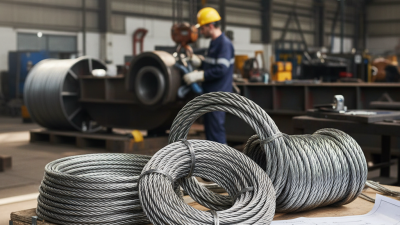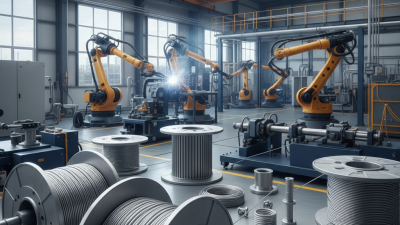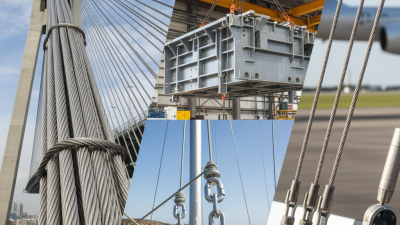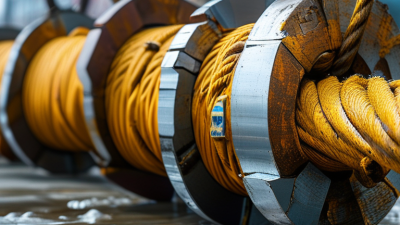
China’s wire rope industry serves construction, ports, mining, elevators, offshore engineering, and lifting equipment markets worldwide. Global demand is expanding as infrastructure investment increases and industrial assets require safer, longer-lasting lifting systems. Grand View Research has estimated the global wire rope market at more than USD 10 billion in recent years, with continued growth expected through 2030. However, reported values differ by research method, product scope, and regional coverage.
This guide examines China’s top 10 wire rope manufacturers for global buyers. It focuses on manufacturing experience, steel quality, production capacity, testing systems, export performance, and application expertise. Reliable suppliers should demonstrate compliance with standards such as ISO 2408, EN 12385, API specifications, or relevant elevator and crane requirements. Certifications alone are not enough. Buyers should also review mill certificates, breaking-load results, fatigue testing, coating thickness, and traceability records.
Details matter.
A rope leaving a factory may look identical to another rope, yet its core construction, lubrication, and resistance to crushing can differ significantly. Industry reports from organizations such as the International Organization for Standardization and the World Steel Association provide useful technical and market context, but they cannot replace supplier audits or sample testing. No ranking is perfectly universal. A mining buyer may prioritize compacted strands and abrasion resistance, while a marine buyer may need corrosion protection and flexible handling. This overview therefore treats the “top 10” as a practical shortlist, not an absolute verdict. Some manufacturers may still require closer verification before a long-term contract.
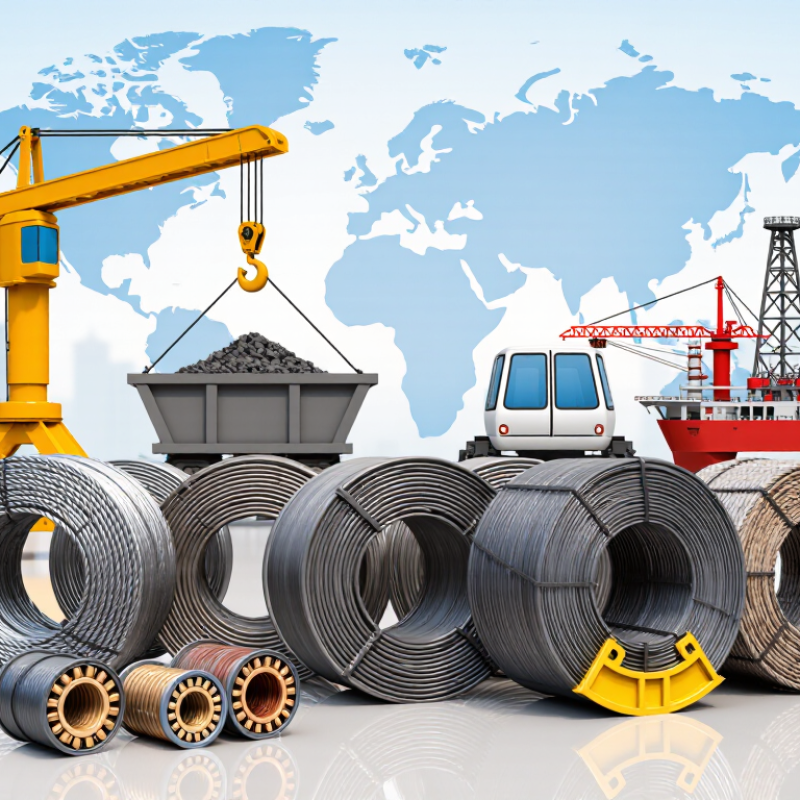
China’s wire rope industry serves construction, ports, mining, elevators, fisheries, and lifting equipment markets worldwide. Manufacturers commonly produce steel wire ropes from carbon steel, galvanized steel, and stainless steel. Production quality depends on wire drawing, stranding, closing, heat treatment, and protective lubrication. In practice, stable tension matters as much as tensile strength. A bright surface can still hide poor internal geometry.
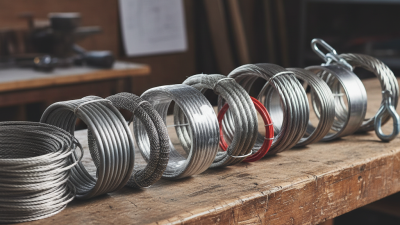
The main categories include general-purpose 6x19 and 6x37 ropes, rotation-resistant ropes, compacted ropes, stainless steel ropes, elevator ropes, and plastic-coated ropes. 6x19 ropes offer abrasion resistance for cranes and winches, while 6x37 designs bend more easily around sheaves. Rotation-resistant types suit tall lifting systems where load spinning creates risk. Compacted ropes provide higher metal area and smoother contact. Stainless options fit marine or corrosive environments, though they cost more. Plastic coatings improve handling, but they can conceal broken wires during inspection.
Global buyers should compare rope construction, diameter tolerance, breaking load, lubrication, reel packaging, and inspection records. Ask for batch traceability and test reports from qualified laboratories. Check compliance with applicable standards and destination-market safety rules. Field experience suggests matching rope to sheave diameter, operating cycles, and shock loading, not only price. This is where mistakes happen. A catalog recommendation may fail under dust, salt, or repeated bending. Trial orders, sample testing, and clear replacement intervals support a more reliable purchasing decision.
Anonymous industry benchmark covering commonly supplied wire rope categories, standards, materials, and global applications
| No. | Key Product Category | Typical Construction | Common Material or Finish | Typical Applications | Relevant Standards | Important Buyer Criteria |
|---|---|---|---|---|---|---|
| 1 | General-purpose 6×19 wire rope | 6 strands with approximately 19 wires per strand | Bright or galvanized carbon steel | Lifting slings, winches, rigging, and general material handling | ISO 2408; EN 12385; ASTM A1023/A1023M | Breaking force, rope grade, lay direction, lubrication, and dimensional tolerance |
| 2 | Flexible 6×36 wire rope | 6 strands with approximately 36 wires per strand | Bright or galvanized steel | Cranes, mobile equipment, logging, and multi-layer winding systems | ISO 2408; EN 12385 | Flexibility, fatigue resistance, drum compatibility, and resistance to crushing |
| 3 | Rotation-resistant rope | Multiple layers or strands designed to reduce torque | High-strength galvanized or bright steel | Tower cranes, hoists, vertical lifting, and long-rope applications | ISO 2408; EN 12385-10 | Rotation behavior, recommended sheave-to-rope ratio, termination method, and inspection requirements |
| 4 | Compacted strand rope | Strands compacted to increase metallic area and surface smoothness | High-strength bright or galvanized steel | Heavy lifting, offshore cranes, mining, and high-load hoisting | ISO 2408; EN 12385 | Higher metallic cross-sectional area, crushing resistance, fatigue life, and measured breaking force |
| 5 | Plastic-filled or plastic-coated rope | Steel strands or core protected by a polymer layer | Galvanized steel with polyethylene or similar polymer protection | Marine equipment, elevators, fishing systems, and corrosive environments | Application-specific requirements; ISO 2408 may apply to the steel rope | Coating thickness, adhesion, operating temperature, chemical resistance, and inspection access |
| 6 | Stainless steel wire rope | Commonly 1×7, 1×19, 7×7, or 7×19 constructions | AISI 304 or AISI 316 stainless steel | Architectural structures, food equipment, marine hardware, and safety barriers | EN 12385; ASTM A492; applicable national specifications | Corrosion environment, surface finish, tensile grade, magnetic requirements, and cleanliness |
| 7 | Elevator and hoist rope | Specialized constructions optimized for repeated bending | High-carbon bright or galvanized steel with specialized lubrication | Passenger elevators, freight elevators, and industrial lifting systems | EN 12385-5; ISO 4344 | Bending fatigue, diameter consistency, elongation, lubrication, and compatibility with sheaves |
| 8 | Mining and drilling rope | Heavy-duty multi-strand or rotation-resistant constructions | High-strength galvanized or bright carbon steel | Mine hoists, drilling rigs, draglines, and material extraction systems | ISO 2408; EN 12385; project-specific mining regulations | Fatigue performance, abrasion resistance, drum spooling, lubrication, and non-destructive testing |
| 9 | Offshore and marine rope | High-strength multi-strand, compacted, or plastic-protected designs | Galvanized carbon steel with corrosion-resistant lubrication | Offshore cranes, mooring systems, shipboard lifting, and marine winches | ISO 2408; EN 12385; applicable offshore project specifications | Saltwater corrosion protection, fatigue life, breaking load, traceability, and certification records |
| 10 | Wire rope slings and assemblies | Single-leg, multi-leg, endless, soft-eye, or socketed assemblies | Bright or galvanized rope with thimbles, sockets, ferrules, or hooks | Construction, shipyards, steel handling, logistics, and heavy lifting | EN 13414; ASME B30.9; applicable lifting regulations | Working load limit, sling angle, termination efficiency, proof testing, marking, and inspection documentation |