How to Choose the Right Stainless Steel U Bolts for Your Needs?
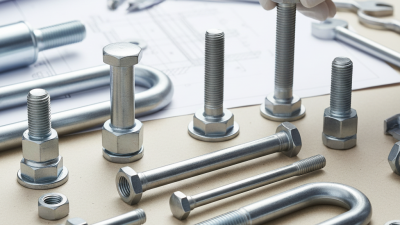
Choosing the right stainless steel U bolts can be a daunting task. Many factors influence their selection, including size, material grade, and specific application. Stainless steel U bolts are widely used in various industries due to their durability and resistance to corrosion. However, not all U bolts are created equal.
Understanding your specific needs is crucial. Different projects have varying requirements. For instance, marine applications demand higher corrosion resistance than those found in less harsh environments. Quality matters. Investing in high-quality stainless steel U bolts ensures longevity and reliability. Poor choices may lead to failures, compromising your project.
It's essential to assess the specifications carefully. Look for reputable suppliers who provide detailed information about their products. Don't hesitate to reach out for advice. Understanding the nuances between different grades of stainless steel can significantly impact your choice. Reflecting on these factors before making a decision will lead to better outcomes.
Understanding the Different Types of Stainless Steel U Bolts Available
When selecting stainless steel U bolts, understanding the various types available is crucial. U bolts come in different grades, primarily 304 and 316 stainless steel. Grade 304 is more common due to its excellent corrosion resistance and lower cost. However, for marine applications or environments with high salinity, 316 stainless steel is ideal due to its superior resistance to pitting and crevice corrosion. Industry reports indicate that 30% of failures in U bolt applications stem from inadequate material selection.
U bolts are also classified based on their shape and size. Standard shapes include round and square. The choice between these types depends on the application. Round U bolts are often easier to install and handle loads better in certain dynamic applications. On the other hand, square U bolts may provide higher surface contact, reducing strain on materials. According to a technical analysis, choosing the wrong shape can lead to a 40% increase in stress concentration, impacting overall functionality.
Furthermore, it's essential to pay attention to the diameter and thread pitch of U bolts. Many users overlook these specifications, leading to installation challenges. A mismatch in diameter may result in an unstable hold, compromising safety. Data shows that approximately 25% of failures in fastening systems arise from incorrect dimensions, emphasizing the importance of precision. Understanding these nuances will enhance your project’s reliability and durability.
Key Factors to Consider When Selecting Stainless Steel U Bolts
When selecting stainless steel U bolts, understanding your specific needs is crucial. The material grade significantly impacts durability. Common grades are 304 and 316. Grade 316 offers better corrosion resistance, ideal for marine environments. Assess your environment's conditions, as this will guide your choice.
Size is another critical factor. Measure the diameter and length accurately. U bolts must provide a secure fit without being overly tight. A loose fit can lead to instability. Consider the application's requirements, such as load capacity and installation area. Checking manufacturer specifications can also help ensure an appropriate selection.
Lastly, don't overlook the finishing options. A polished finish may be more visually appealing but might not offer the best grip. Likewise, rough finishes can increase friction but may trap contaminants. Evaluate your priorities carefully, weighing functionality against aesthetic appeal. Frequent reassessment of your choices will ultimately enhance performance.
Assessing Load Requirements for Your Application
Assessing load requirements is crucial when selecting stainless steel U bolts for any application. The load capacity determines the type and size needed. Consider the maximum load your application will experience. This ensures safety and functionality. For heavy loads, choose larger U bolts with a higher grade material.
It's essential to account for dynamic forces as well. These forces can arise from vibrations or movement within a system. You might think a standard size is enough, yet fluctuations can lead to failures. Regularly review your load assessments. This approach helps in refining your choices over time.
Tips: Always consult with an engineer for complex applications to ensure optimal selections. Reassessing your needs periodically can prevent costly mistakes. Keep in mind that not all projects need the same level of strength; customize based on specific requirements. This flexibility allows for better resource management.
Evaluating Corrosion Resistance in Stainless Steel U Bolts
Choosing the right stainless steel U bolts involves understanding their corrosion resistance. Corrosion can weaken the structural integrity of these fasteners. Different grades of stainless steel offer varying levels of resistance. These grades are crucial, especially in harsh environments, such as marine or chemical settings.
When assessing corrosion resistance, consider the environment. Chlorides, humidity, and pollution can accelerate corrosion. For coastal areas, look for U bolts made from higher-grade stainless steel. These options better withstand the salty air. Regular inspections can help identify early signs of corrosion.
Tips: Always check the specifications of the stainless steel used in U bolts. Higher nickel content typically improves resistance. Enhance protection by applying anti-corrosion coatings. Understand that even stainless steel can corrode under extreme conditions. It’s vital to stay informed and make informed decisions. Be cautious about compromising on quality for savings.
Matching U Bolt Sizes to Your Project Specifications
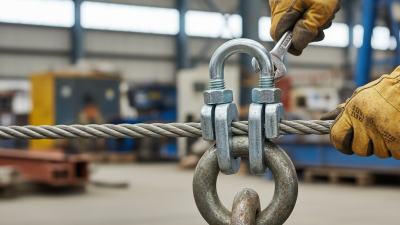
Choosing the right U bolt size is crucial for your project's success. Measure the diameter of the pipe or rod you’re working with. This ensures a snug fit. U bolts come in various sizes, including standard and custom options. You should consider the thickness of the materials you will connect as well.
Often overlooked is the application environment. Corrosion resistance is vital for outdoor projects. If your U bolts will face moisture, selecting stainless steel is wise. These bolts resist rust and provide durability. Understanding tensile strength and load capacity is also essential. Assess the weight and stress your project will endure.
Mistakes can happen when measuring or selecting sizes. Always double-check dimensions before purchasing. This prevents costly errors. Consider consulting with a knowledgeable supplier. They can offer guidance based on your specific requirements. Being aware of your project’s unique demands leads to better choices. Don’t rush this process—it is key to the longevity of your project.