What is a stainless steel chain and how to choose the right one?
Stainless steel chains play a crucial role in various industries, from construction to marine applications. These robust materials resist corrosion and wear, making them a preferred choice for many. According to a recent report by the International Stainless Steel Forum, the demand for stainless steel products will increase by 3% annually over the next five years. This growth underscores the importance of understanding how to select the right stainless steel chain.
Expert insights highlight the intricacies involved in this selection process. John Smith, a leading materials engineer, emphasizes, "Choosing the right stainless steel chain depends on factors like strength, size, and environmental conditions." Each application requires specific properties; for instance, chains used in marine environments must resist salty air and water.
However, selecting the appropriate stainless steel chain is not always straightforward. Misunderstanding the specifications can lead to underperformance. Some chains may not meet the required load capacity, causing potential safety risks. Awareness of these details is essential for making informed choices. Understanding these complexities helps ensure optimal performance and safety in various applications.
What is Stainless Steel Chain?
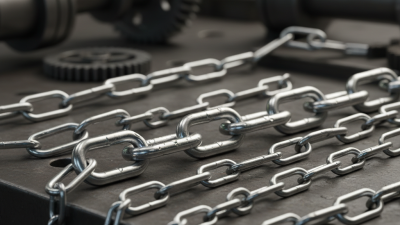
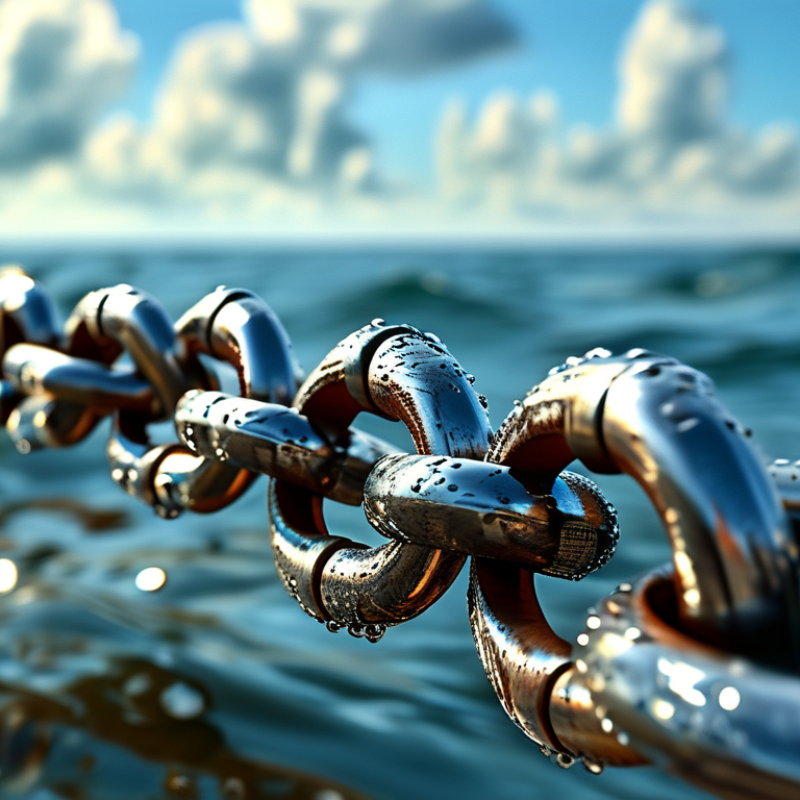
A stainless steel chain is a versatile tool used in various applications, from jewelry making to heavy-duty industrial tasks. Its resistance to rust and corrosion makes it suitable for both indoor and outdoor use. Many people may overlook the importance of choosing the right type, but it can make a significant difference in durability and performance.
When selecting a stainless steel chain, consider the type of use. For decorative purposes, a finer, polished chain may be ideal. It offers an elegant touch and is lightweight. In industrial settings, however, a thicker, more robust link is necessary. These chains can withstand heavy loads and harsh environments. Understand the weight capacity required before making a decision.
A common mistake is focusing solely on appearance. Functionality is crucial as well. Some chains may look strong but may not provide the necessary support. Additionally, be mindful of the chain's finish; rough edges could affect usability. Always weigh aesthetics against functionality to ensure you're making a thoughtful choice.
Balancing these factors contributes to a better overall selection.
Types of Stainless Steel Chains and Their Uses
Stainless steel chains come in various types, each designed for specific applications. For instance, the most common types include roller chains, link chains, and cable chains.
Roller chains are prevalent in industrial settings. They are often used in conveyor systems due to their strength and durability. Data shows that the demand for roller chains in industrial applications has increased by 15% over the past year, attributed to the growth of automation.
Link chains are versatile and suitable for lifting and securing loads. They are often used in construction and marine industries. A recent report indicates that link chains account for 30% of the stainless steel chain market, reflecting their widespread usage. Meanwhile, cable chains are ideal for protecting sensitive cables in machinery, reducing wear and tear over time. Their use has been emphasized in sectors like automotive manufacturing, where safeguarding expensive equipment is crucial.
When selecting a stainless steel chain, one must consider factors like load capacity, exposure to corrosive environments, and flexibility. The choice can significantly impact safety and efficiency. Not every type will suit every situation. Users must reflect on their unique needs and the possible consequences of misjudgment. A poorly chosen chain can lead to equipment failure or safety hazards.
Key Factors to Consider When Choosing a Stainless Steel Chain
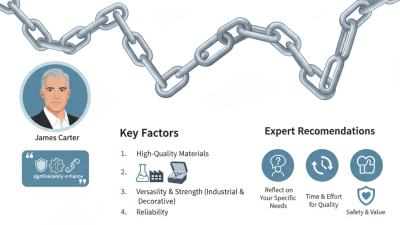
When selecting a stainless steel chain, consider the environment it will be used in. Different grades of stainless steel offer varying levels of corrosion resistance. For example, grade 316 stainless steel is highly resistant to saltwater, making it ideal for marine applications. Many industrial reports indicate that about 70% of corrosion-related failures in chains are due to inappropriate material selection.
Another key factor is the chain's load capacity. It's crucial to know the weight it needs to support. Studies show that over 60% of chain failures result from exceeding their load limits. Pay attention to specifications and ensure the chain meets or exceeds the required strength for your application. Many users overlook this aspect, leading to potential safety risks.
Lastly, the design and link size impact the chain's flexibility and ease of use. Opt for chains with links that suit your specific operational needs. Industry trends suggest that chains with smaller links are popular for their lightweight nature and easier handling. However, they may not always provide the desired durability. Being aware of these factors can significantly enhance performance and longevity.
Maintenance Tips for Stainless Steel Chains
Maintaining a stainless steel chain is crucial for its longevity and appearance. Regular cleaning can prevent corrosion and tarnishing. Use mild soap and warm water with a soft cloth. Rinse thoroughly to remove any soap residue. Dry the chain completely to avoid water spots. Make this a routine, especially if the chain is exposed to harsh conditions.
It's important to inspect your chain periodically. Look for any signs of wear, such as scratches or tight links. These issues may lead to breaks over time. If you notice any problems, consider consulting a professional. Ignoring these signs can result in unexpected failures.
Storage is equally vital. Keep the chain in a dry place, away from humidity. A dedicated jewelry box can help. Avoid storing it in direct sunlight. While stainless steel is durable, it can still scratch. Wrap it in a soft cloth when not in use. Taking these preventive steps ensures your stainless steel chain remains beautiful and functional for years.
Comparing Stainless Steel Chains with Other Materials
When choosing a stainless steel chain, it's vital to compare it with other materials. Stainless steel is renowned for its strength and resistance to rust. This makes it ideal for outdoor use. Other materials, like plastic, can deteriorate under sun exposure or temperature changes. While plastic might be lighter, it lacks durability. Chains made from aluminum are lighter too, but they can bend easily under pressure.
Copper chains, while aesthetically pleasing, require constant maintenance to prevent tarnishing. Stainless steel, in contrast, maintains its luster with minimal effort. This reliability is why many industries prefer stainless steel. However, it's essential to consider the environment in which the chain will be used. For instance, marine settings demand specialized coatings to prevent corrosion.
Understanding the specific needs of your application is crucial. Aesthetics, weight, and environmental exposure all play significant roles in selection. Stainless steel chains offer a balance of durability and style, but they are not always the perfect choice. Reflecting on the intended use will lead to better decision-making.