10 Best Stainless Steel Wire Rope Manufacturers Worldwide

Choosing the right stainless steel wire rope manufacturer affects safety, service life, and maintenance costs. This guide examines ten respected producers operating across major industrial markets. It considers manufacturing experience, material control, product range, and technical support.

Not all manufacturers serve the same needs. Some specialize in marine lifting, while others focus on architecture, mining, or food-processing equipment. The comparison reviews common grades, including 304 and 316 stainless steel. It also considers rope construction, diameter accuracy, breaking load, fatigue resistance, and corrosion performance. These details matter when ropes face salt spray, vibration, or repeated bending. A polished surface alone does not prove quality. Factory testing and traceable documentation matter more.

Real projects often reveal the difference. A rope installed beside a coastal loading dock may show surface staining within months. Another rope may remain stable under similar conditions because its alloy, lubrication, and fittings were selected correctly. Manufacturer reputation helps, but it should not replace application-specific verification. No list is perfect. Supplier rankings can change with capacity, certification, delivery performance, and regional service.

This overview uses publicly available company information, technical product data, and practical selection criteria. Where evidence is limited, that limitation deserves attention. Buyers should confirm standards, inspection records, and warranty conditions before placing an order. They should also request samples or engineering guidance for critical installations. The strongest manufacturers do more than sell cable. They help customers select, test, install, and maintain reliable wire rope systems. That support can prevent expensive mistakes.
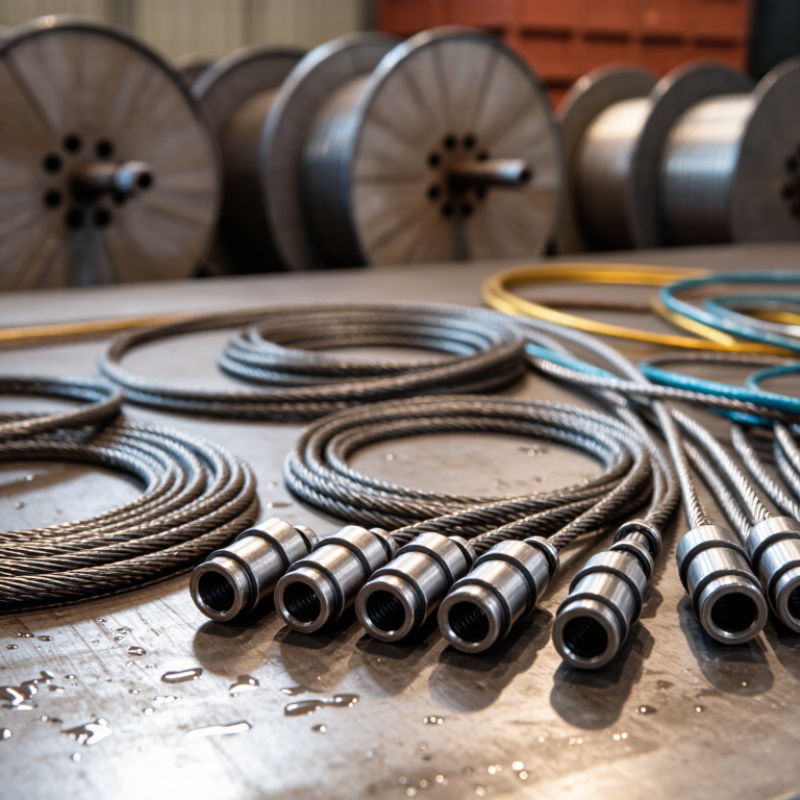
10 Best Stainless Steel Wire Rope Manufacturers Worldwide

Definition and Uses of Stainless Steel Wire Rope

10 Best Stainless Steel Wire Rope Manufacturers Worldwide

Definition and Uses of Stainless Steel Wire Rope

Stainless steel wire rope is a flexible cable made from multiple steel wires twisted into strands. These strands usually wrap around a central core. The result combines tensile strength, corrosion resistance, and controlled flexibility. It looks simple. Its performance depends on wire grade, rope construction, core type, and surface finish. Marine-grade stainless steel is often selected for humid or salt-exposed environments. However, corrosion resistance does not mean corrosion-proof.

Common uses include guardrails, architectural structures, lifting equipment, sailing systems, and outdoor suspension lines. In coastal buildings, the rope may support glass panels while remaining visually discreet. In workshops, it can guide, pull, or secure loads. The correct choice depends on working load, bending frequency, temperature, and exposure to chemicals. A rope used over a small pulley needs different flexibility than a stationary railing cable. A common mistake is judging quality by shine alone. Internal damage may develop before visible rust appears.

Tips: Check the rope diameter and breaking load against real operating conditions. Inspect for broken wires, flattened strands, birdcaging, and unusual stiffness. Keep fittings compatible with the rope construction. Clean salt deposits regularly with fresh water, then dry the cable carefully. Replace questionable sections early. Waiting for obvious failure is a poor inspection strategy. Manufacturer data remains essential, but site conditions can be messier than specifications.
Key Standards for Evaluating Global Manufacturers

Choosing among the 10 best stainless steel wire rope manufacturers requires more than comparing prices. Standards reveal how consistently a factory controls risk.

Check alignment with ISO 2408, EN 12385, or relevant ASTM requirements. These standards address construction, strength, testing, and safety. The most reliable manufacturers provide current certificates, not scanned documents with missing dates. Ask whether an independent body verified the system. Internal claims are useful, but they are not enough.

Examine material traceability from steel coil to finished rope. Each batch should connect to heat numbers, test reports, and production records. Look for tensile tests, fatigue testing, corrosion checks, and dimensional inspections. Small details matter. A clean test laboratory matters too. Photographs can show equipment, but an audit reveals working habits.

Experience should be measurable through engineering records and demanding applications, not vague statements. Qualified technicians should explain rope construction, lay direction, breaking load, and safe operating limits clearly. Communication also indicates reliability. Can the supplier answer technical questions without avoiding weak points? A certificate alone can mislead. No factory is flawless, and even strong manufacturers may show occasional variation. What matters is whether they detect problems, document corrective action, and prevent repetition. Samples should be inspected before large orders, especially when salt spray, lifting cycles, or tight sheaves are involved.

10 Best Stainless Steel Wire Rope Manufacturers Worldwide - Key Standards for Evaluating Global Manufacturers

Comparative evaluation matrix based on internationally recognized wire-rope standards, product breadth, quality controls, corrosion-resistance expertise, and application suitability. Company names and brand identifiers are intentionally omitted.

Rank Manufacturer Profile Primary Market Region Typical Stainless Steel Grades Common Rope Constructions Typical Diameter Range Relevant Standards Quality and Testing Strength Best-Fit Applications Evaluation Score
1 Manufacturer Profile 01
Large-scale global producer
Western Europe AISI 304 AISI 316 AISI 316L 1×7, 1×19, 7×7, 7×19, 7×37 0.15–32 mm ISO 2408; EN 12385-4; ASTM A1023/A1023M Full traceability, tensile testing, dimensional inspection, batch documentation Marine systems, lifting equipment, architectural cables, industrial assemblies ★★★★★ 9.5/10
2 Manufacturer Profile 02
Precision small-diameter specialist
East Asia AISI 304 AISI 316 1×7, 1×19, 7×7, 7×19 0.08–16 mm ISO 2408; ASTM A492; ASTM A1023/A1023M High dimensional consistency, surface-finish control, pull testing, optical inspection Medical devices, instrumentation, robotics, control cables, security systems ★★★★★ 9.3/10
3 Manufacturer Profile 03
Heavy-duty and lifting-focused producer
North America AISI 304 AISI 316 1×19, 6×19, 6×36, 8×19, rotation-resistant designs 3–52 mm ASTM A1023/A1023M; ASME B30.9; API Specification 9A Breaking-load verification, fatigue testing, lay measurement, inspection certificates Cranes, winches, offshore lifting, construction, material handling ★★★★★ 9.2/10
4 Manufacturer Profile 04
Marine corrosion-resistance specialist
Northern Europe AISI 316 AISI 316L 1×19, 7×7, 7×19, compact marine constructions 1–24 mm EN 12385-4; ISO 2408; DNV-related project specifications Salt-spray assessment, corrosion-focused material control, terminal compatibility checks Yacht rigging, marine railing, coastal structures, offshore equipment ★★★★★ 9.1/10
5 Manufacturer Profile 05
Architectural cable-system supplier
Central Europe AISI 304 AISI 316 AISI 316L 1×19, 7×7, 7×19, custom structural cable assemblies 1.5–26 mm EN 12385-4; ISO 2408; project-specific structural requirements Surface-quality inspection, dimensional control, end-fitting verification, assembly documentation Balustrades, façades, suspended structures, bridges, interior design ★★★★☆ 8.9/10
6 Manufacturer Profile 06
Flexible multi-strand producer
South Asia AISI 304 AISI 316 7×7, 7×19, 7×37, 6×19 fiber-core configurations 0.3–30 mm ISO 2408; ASTM A1023/A1023M; EN 12385-4 Flexibility testing, tensile testing, helix and lay inspection, batch identification Door systems, actuators, agricultural machinery, general industrial equipment ★★★★☆ 8.8/10
7 Manufacturer Profile 07
Custom cable assembly manufacturer
East Asia AISI 304 AISI 316 AISI 316L 1×7, 1×19, 7×7, 7×19 with swaged or threaded terminals 0.2–20 mm ISO 2408; ASTM A492; customer drawing specifications Controlled crimping, pull-out testing, gauge inspection, production sample approval Automation, lighting systems, fitness equipment, transportation components ★★★★☆ 8.7/10
8 Manufacturer Profile 08
Industrial and energy-sector supplier
Middle East and Asia AISI 304 AISI 316 1×19, 6×19, 6×36, 8×19, compacted constructions 3–45 mm API Specification 9A; ISO 2408; ASTM A1023/A1023M Load testing, material certificates, dimensional inspection, process documentation Oil and gas support equipment, elevators, industrial winches, energy infrastructure ★★★★☆ 8.6/10
9 Manufacturer Profile 09
Standard and metric-size specialist
Southern Europe AISI 304 AISI 316 1×7, 1×19, 7×7, 7×19 0.25–25 mm EN 12385-4; ISO 2408; ASTM A492 Routine tensile testing, diameter control, visual inspection, certificate availability General engineering, food-processing equipment, agricultural systems, marine hardware ★★★★☆ 8.5/10
10 Manufacturer Profile 10
Flexible export-oriented producer
South America and Asia AISI 304 AISI 316 1×7, 1×19, 7×7, 7×19 0.3–18 mm ISO 2408; EN 12385-4; ASTM A1023/A1023M Batch traceability, tensile testing, packaging control, export documentation Commercial hardware, fencing, signage, light-duty lifting, general fabrication ★★★★☆ 8.3/10
Evaluation note: AISI 316 and 316L generally provide better chloride resistance than AISI 304. Product diameter, minimum breaking force, construction, core type, lay direction, end termination, and applicable local regulations should be confirmed before purchase. Standards and certification status should be verified against the supplier’s current technical documentation.

Top Stainless Steel Wire Rope Manufacturers Worldwide

Top Stainless Steel Wire Rope Manufacturers Worldwide

Top stainless steel wire rope manufacturers worldwide serve marine, architectural, lifting, and industrial applications. Their products commonly use 304 or 316 stainless steel, depending on corrosion exposure. Coastal projects often need stronger salt resistance. Factory experience matters, but it should not be accepted without evidence.

Reliable manufacturers control wire diameter, strand formation, tensile strength, and surface finish. They should provide material certificates, batch traceability, and inspection records. Look for testing that follows recognized international standards. Clear technical drawings also reveal professional capability. A polished website alone proves very little.

Tips: Compare construction types, such as 1×19, 7×7, and 7×19. Check breaking loads against your actual design needs. Ask about minimum order quantities, packaging, and replacement support. Inspect samples for uneven twisting, damaged strands, or rough cut ends. These small details matter.

No ranking is perfect. A manufacturer strong in marine cable may not suit flexible lifting systems. I have seen buyers focus on price and overlook fatigue resistance. That mistake can create higher maintenance costs later. Review factory capacity, quality controls, delivery records, and communication speed before choosing a supplier. A dependable partner explains limitations clearly, rather than promising everything.

Product Range, Materials, and Manufacturing Capabilities

Choosing among the 10 best stainless steel wire rope manufacturers worldwide requires more than comparing catalog size. Product range often reveals engineering depth. Reliable producers usually offer compact ropes, rotation-resistant designs, cable-laid assemblies, and custom constructions for lifting, marine, architectural, and industrial applications. They should also provide matching terminals, sockets, clips, and inspection guidance. Fit matters.

Material selection directly affects service life. Common options include 304 and 316 stainless steel, with 316 offering stronger resistance in saltwater and chemical environments. Some manufacturers also supply low-carbon grades, polished surfaces, and specialized coatings. Buyers should verify tensile strength, corrosion performance, flexibility, and fatigue behavior through technical documents. Standards such as ASTM, EN, and ISO can support consistent evaluation, but certificates alone do not replace practical testing.

Manufacturing capability separates a general supplier from an experienced producer. Look for controlled wire drawing, precise stranding, stable lay lengths, and documented heat treatment. Modern facilities may use automated closing lines, laser measurement, and traceable batch records. Skilled technicians still matter. A machine cannot always detect an unusual surface defect. Manufacturers with testing laboratories can check breaking force, elongation, construction accuracy, and repeated bending performance. No ranking is permanent. Public information may hide differences in process control, delivery reliability, or after-sales support. A product can meet its specification and still perform poorly when installation is careless. Experienced suppliers should explain these limits clearly, not promise that one rope fits every condition.

10 Best Stainless Steel Wire Rope Manufacturers Worldwide

Product Range, Materials, and Manufacturing Capabilities

Stainless steel wire ropes are commonly manufactured in constructions such as 1×7, 1×19, 7×7, 7×19, and 7×37. The chart compares their actual nominal wire counts, which increase with flexibility and construction complexity. AISI 304 is widely used for general corrosion resistance, while AISI 316 is preferred for marine, coastal, and chloride-exposed environments. Leading manufacturers typically support wire drawing, stranding, rope closing, cutting, end termination, and dimensional or tensile inspection.

How to Select the Right Stainless Steel Wire Rope Supplier

Choosing the right stainless steel wire rope supplier requires more than comparing prices. Start with the rope’s intended use, load pattern, working environment, and expected service life. A supplier should explain grades, construction, core type, lay direction, and breaking load in clear language. If the sales team avoids technical questions, be cautious.

Ask for recent test reports, material certificates, dimensional records, and traceability documents. Reliable manufacturers can connect each coil to a production batch. Their certificates should identify tensile strength, diameter tolerance, and corrosion performance. Independent testing adds confidence, especially for lifting, marine, architectural, or high-cycle applications. Factory experience matters too. Ask how the rope performed in conditions similar to yours, such as salt spray, tight sheaves, or repeated bending.

Inspect the supplier’s quality system, not just its polished website. Request sample rope and examine its surface, strand uniformity, end condition, and lubrication. A small diameter variation can affect sheave contact and fatigue life. Confirm packaging, storage guidance, lead time, replacement policy, and technical support after delivery. These details often reveal operational maturity.

No checklist is perfect. I once focused too heavily on tensile data and overlooked poor communication about delivery changes. That mistake delayed installation. A dependable supplier responds quickly, documents changes, and admits limitations. Choose evidence over confident promises, and test a small order before approving larger quantities.