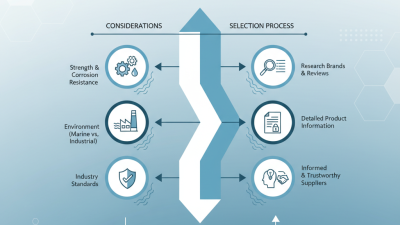
Choosing the right stainless steel railing for your project can be challenging. With various options available, it’s easy to feel overwhelmed. However, a well-informed decision can enhance both safety and aesthetic appeal.
Stainless steel railing offers durability and modern elegance. It resists rust and corrosion, making it ideal for outdoor settings. Consider the railing's finish. A brushed or polished surface can impact the final look. Evaluate your project’s specific needs, like height and usage. Important factors can include local codes and regulations.
Reflect on your personal style as well. Customization can create a unique touch. However, balancing aesthetics and functionality is key. Understanding these elements will help you make a reliable choice in stainless steel railing.
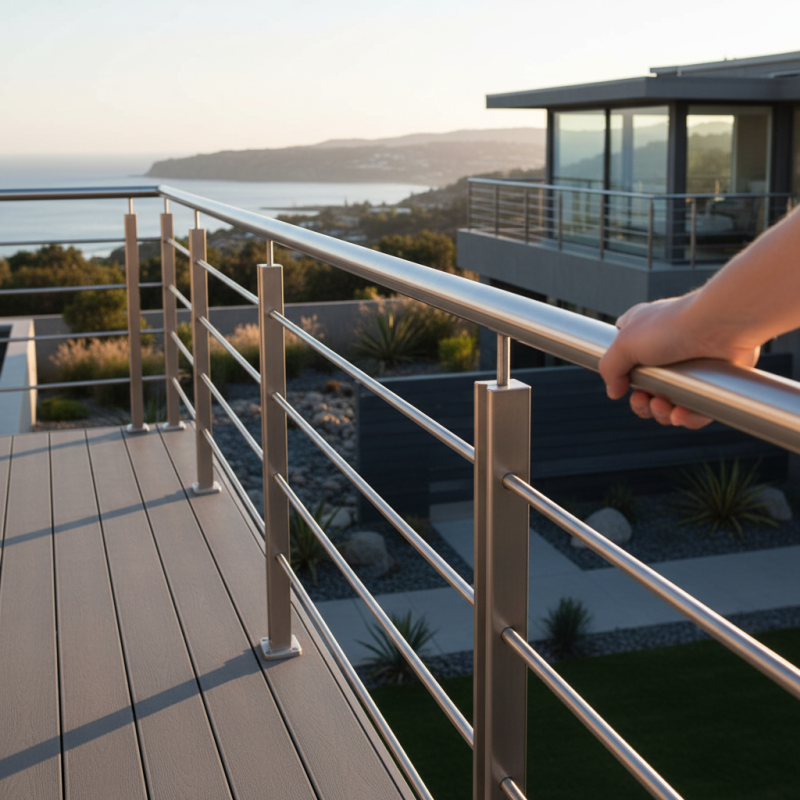
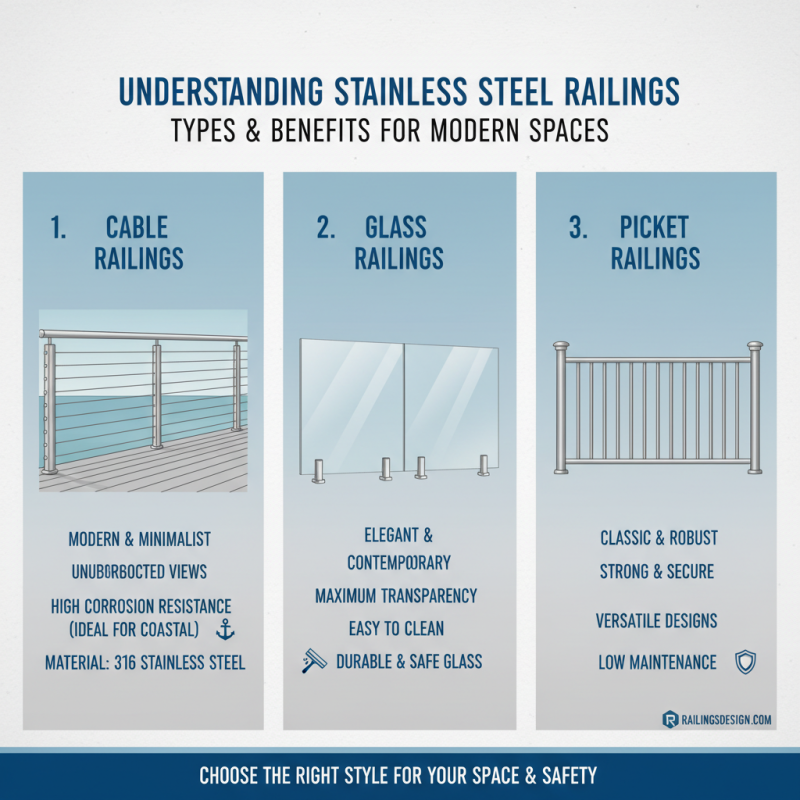
Choosing the right stainless steel railing is essential for both aesthetics and safety. There are several types available, each with unique characteristics. The most common are cable railings, glass railings, and traditional picket railings. According to industry reports, cable railings are gaining popularity due to their modern look and unobstructed views. They can be made from 316 stainless steel, which offers excellent corrosion resistance, especially in coastal areas.
Glass railings have become a sought-after option, especially in residential projects. They provide a sleek, contemporary feel. However, maintenance can be a concern. Fingerprints and smudges can diminish their appeal. Traditional picket railings, while less modern, remain a robust choice. They provide more material solidity, which can enhance safety in specific applications. Each type has its own installation complexity and costs.
Consideration of local regulations is crucial. Compliance should not be overlooked. Some designs might not meet building codes, leading to safety issues. Projects should always reflect an understanding of both the aesthetic values and practical limitations of materials. Balancing style with functionality will yield the best outcomes in any railing project.
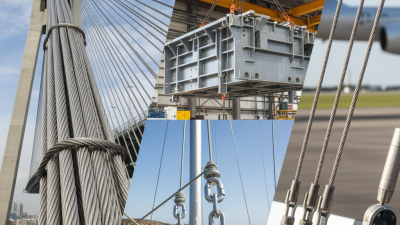
When selecting the best stainless steel railing for your project, the style and design must align with the overall aesthetic. Consider the architectural elements of your space. For instance, a modern home may benefit from sleek, minimalist designs. Conversely, a more traditional setting might require rails with intricate details.
Evaluate your project's specific requirements. Think about the environment where the railing will be placed. A coastal area may necessitate corrosion-resistant options. Ensure your choice complements other materials used, such as wood or glass. Reflect on how the color and finish affect the visual impact. Stainless steel can vary in sheen, influencing light reflection and ambiance.
Don't overlook practical aspects. The design should ensure safety without compromising style. A beautifully designed railing might not perform well if it's not sturdy enough. Consider user needs, such as accessibility and maintenance. It’s essential to strike a balance between aesthetics and functionality. Each decision influences the final outcome, inviting you to reassess your choices continually.
| Railing Type | Suitable For | Style Compatibility | Durability | Maintenance |
|---|---|---|---|---|
| Glass Panel Railing | Modern homes, Balconies | Contemporary, Minimalist | High | Low, easy cleaning |
| Cable Railing | Decks, Stairs | Modern, Industrial | High | Medium, requires tension adjustments |
| Post and Rail Railing | Commercial, Public spaces | Traditional, Rustic | Medium | Low, periodic inspections required |
| Welded Railing | Commercial buildings | Modern, Contemporary | Very High | Low, very sturdy design |
| Rod Railing | Residential, Patios | Tropical, Coastal | High | Medium, seasonal cleaning recommended |
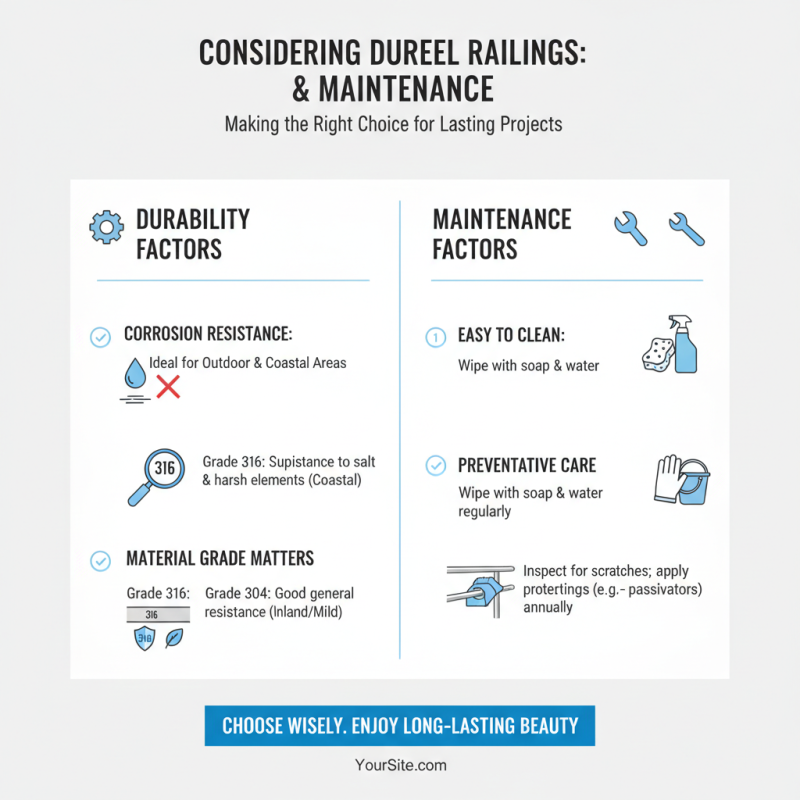
When choosing stainless steel railings, durability should be a top priority. Stainless steel is known for its resistance to rust and corrosion, making it an ideal choice for outdoor projects. However, not all stainless steel is created equal. Grades like 316 offer better resistance to harsh elements compared to lower grades. This is particularly important in coastal areas where saltwater can cause rapid degradation.
Maintenance also plays a crucial role in the longevity of stainless steel railings. Regular cleaning is essential to prevent buildup of dirt and grime. While stainless steel is low-maintenance, it isn't maintenance-free. You may need to polish the surface periodically to maintain its shine. Understanding your environment helps too. For instance, high humidity or air pollution can accelerate tarnishing, requiring more frequent attention.
Additionally, consider the layout of your project. If the railings are exposed to heavy foot traffic, durability can be further challenged. It’s worth reflecting on your specific needs and conditions. Balancing aesthetic appeal with practical durability can be tricky. Each project presents unique challenges that must be addressed thoughtfully to ensure the right choice.
When planning a stainless steel railing project, budget is crucial. Research indicates that costs can range from $50 to $200 per linear foot, depending on design and materials. High-quality stainless steel is durable, but it may come with a higher price tag. Always factor in fabrication, installation, and additional features when estimating your total costs.
A survey by the National Association of Home Builders reports that 65% of homeowners consider budget constraints as a primary factor in railing selection. Opting for custom designs can drive prices up significantly. For example, a custom railing can exceed $150 per linear foot. This emphasizes the importance of thoughtful design within the budget.
While it’s tempting to cut costs by opting for cheaper materials, this decision may lead to safety concerns and long-term expenses. Investing in quality can prevent issues later on. Consider hiring a professional for installation, as improper installation can incur additional costs. Balancing aesthetic value with durability and cost will yield the best outcome for your project.
When selecting the best stainless steel railing for your project, installation options are critical. Many homeowners overlook the complexity of installation. Understanding these options can save time and money. According to industry reports, nearly 30% of railing installations require professional help. The expertise of experienced installers often enhances safety and longevity.
Hiring a professional can help navigate local building codes. These codes can vary widely, impacting installation methods. A failing compliance could lead to costly penalties or unsafe structures. Skilled professionals can assess your space and recommend the right materials and designs. For example, a custom railing may cost more upfront but can enhance property value in the long run.
Tip: Always request multiple quotes from professionals before making a decision.
DIY installation is an option but comes with risks. Many homeowners underestimate the time required for proper installation. This can result in frustration and mistakes. On average, DIY installations take 25% longer than expected. If you pursue this route, seek guidance from reputable sources.
Tip: Use online forums to connect with others who have tackled similar projects.
Investing in quality stainless steel can reduce future maintenance costs. Look for railings with protective coatings to combat corrosion. Although this may increase upfront costs, the long-term benefits often outweigh the initial investment.