How to Choose the Best Stainless Wire Supplier?
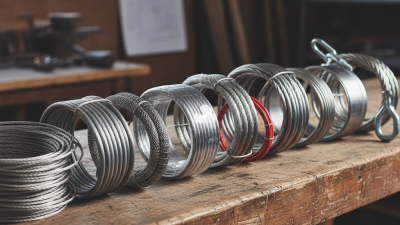
Choosing the best stainless wire supplier requires more than comparing prices on a product page. The right partner must provide consistent quality, clear documentation, and dependable communication. Stainless wire may look simple, but small differences in diameter, tensile strength, surface finish, and corrosion resistance can affect the final product.
Experienced buyers usually begin with a precise specification sheet. It should include grade, wire size, tolerance, coil weight, packaging, and intended application. Ask for material certificates, test reports, and sample coils before placing a large order. A reliable supplier should explain how each batch is tested. Their answers should be specific, not vague promises.
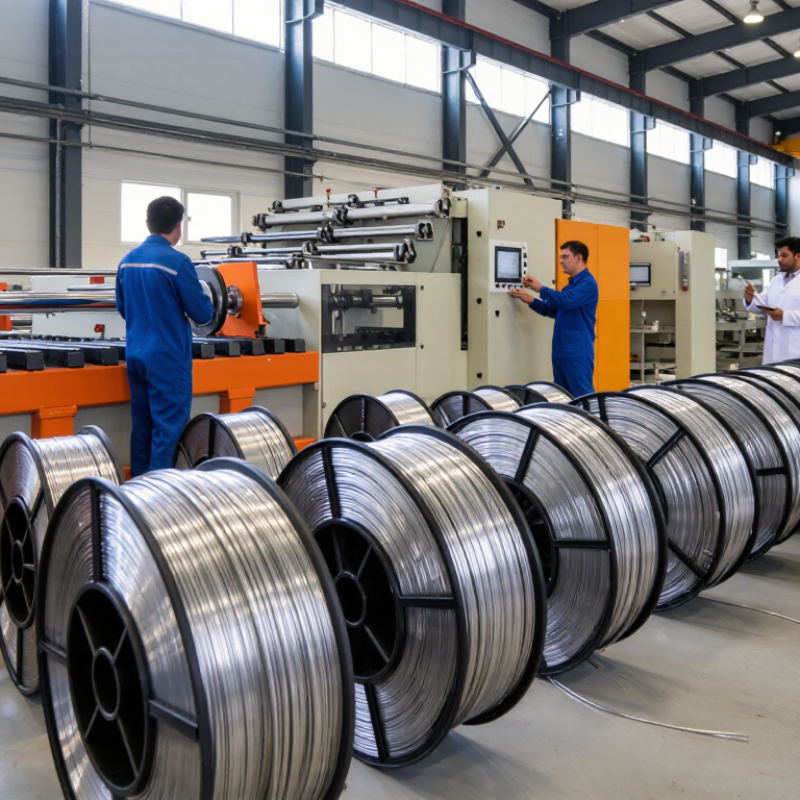
Look closely at production capability. Does the supplier control drawing, annealing, cleaning, and surface treatment in-house? Can they maintain stable dimensions across repeated orders? Factory photos help, but an audit or video inspection gives stronger evidence. Lead time matters too. A supplier that offers excellent wire but misses delivery dates can still create expensive problems.
Communication reveals a lot. Notice whether questions receive clear replies from technical staff. Check how defects, replacements, and changing requirements are handled. No supplier is perfect. I have seen buyers focus heavily on unit cost and overlook packaging damage or inconsistent coils. That mistake can become costly after arrival.
The best choice balances quality, experience, transparency, and practical support. Compare several suppliers using the same checklist. Then test their performance with a manageable order. A careful decision today can protect production stability tomorrow.
Define Wire Requirements: Grades 304/316, Diameters, Tolerances, and Tensile Targets
When choosing a stainless wire supplier, begin with a measurable wire specification. Grade 304 suits many indoor, general-purpose, and moderately corrosive environments. Grade 316 offers stronger resistance to salt, chemicals, and humid conditions. However, selecting 316 automatically is not always practical. Cost and forming behavior still matter.
State the required diameter, tolerance, and surface condition clearly. For example, a 0.80 mm wire with a ±0.02 mm tolerance leaves little room for process variation. Small deviations matter. Ask how the supplier measures diameter and how often equipment is calibrated. A reliable supplier should provide inspection records, material certificates, and traceable batch information. Tolerance must match the finished product, not an unrealistic ideal. Overly tight requirements may increase cost without improving performance.
Tensile targets need equal attention. Define the minimum and maximum tensile range, rather than requesting “high strength” wire. Explain the forming process, cutting method, and expected load. I have seen specifications fail because tensile strength was listed without considering bendability. A wire that passes a tensile test may still crack during repeated forming. Request test methods, sampling frequency, and recent data from comparable production. Check whether the supplier can maintain consistency across several coils, not just one attractive sample. Even experienced buyers miss this. A small trial order can reveal surface scratches, diameter drift, and unexpected springback before full production begins.
Compare ISO 6892-1 Test Results: Strength, Elongation, and Hardness Data
How to Choose the Best Stainless Wire Supplier?
When comparing stainless wire suppliers, begin with ISO 6892-1 tensile test results. Check tensile strength, yield strength, and elongation together. A high strength value alone proves very little. Ask whether each result came from the same wire grade, diameter, and heat.
Small details matter. Review the test temperature, specimen direction, gauge length, and loading speed. Confirm the report identifies the batch and testing date. A 1,850 MPa result may look impressive, but it becomes less useful without traceability. Request the original laboratory report, not only a sales table. Calibration records also support reliable comparisons.
Hardness adds another practical viewpoint. ISO 6892-1 does not define hardness testing, so the supplier should state the separate hardness method and scale. Compare results such as HV, HRB, or HRC only when the scale is clearly reported. Ask how hardness relates to drawing, forming, and spring-back performance. During supplier audits, I also inspect sample surfaces, coil consistency, and handling damage. Test data can still vary between laboratories. That is normal, but unexplained variation deserves questions. One weakness remains: a clean report cannot reveal every production risk. Trial coils and repeat testing may expose problems that paperwork misses.
How to Choose the Best Stainless Wire Supplier? - Compare ISO 6892-1 Test Results: Strength, Elongation, and Hardness Data
| Sample Lot |
Stainless Grade |
Wire Diameter
(mm) |
Material Condition |
Rp0.2
(MPa) |
Tensile Strength
Rm (MPa) |
Elongation
A (%) |
Hardness |
Test Temperature
(°C) |
Test Method |
Result Consistency |
| Lot A-01 |
AISI 304 |
0.80 |
Annealed |
285 |
625 |
52 |
82 HRB |
23 ± 2 |
ISO 6892-1; ISO 6508-1 |
High |
| Lot B-02 |
AISI 304 |
1.20 |
1/2 Hard |
670 |
930 |
18 |
285 HV |
23 ± 2 |
ISO 6892-1; ISO 6507-1 |
High |
| Lot C-03 |
AISI 316L |
0.60 |
Annealed |
275 |
605 |
55 |
79 HRB |
23 ± 2 |
ISO 6892-1; ISO 6508-1 |
High |
| Lot D-04 |
AISI 316L |
1.00 |
Cold Drawn |
760 |
1,020 |
14 |
315 HV |
23 ± 2 |
ISO 6892-1; ISO 6507-1 |
High |
| Lot E-05 |
AISI 17-7PH |
0.50 |
Condition RH950 |
1,170 |
1,390 |
7 |
44 HRC |
23 ± 2 |
ISO 6892-1; ISO 6508-1 |
High |
| Lot F-06 |
AISI 304 |
2.00 |
Annealed |
290 |
640 |
50 |
84 HRB |
23 ± 2 |
ISO 6892-1; ISO 6508-1 |
High |
Data interpretation: Rp0.2 represents proof strength, Rm represents ultimate tensile strength, and A represents percentage elongation after fracture. Hardness values are reported using the indicated scale and should not be compared directly across different hardness scales. The results are anonymized representative quality-control values for supplier comparison; actual acceptance limits should be confirmed against the applicable product specification, wire diameter, and delivery condition.
Assess Capacity Using MOQ, Monthly Output, Lead Time, and On-Time Delivery Rates
How to Choose the Best Stainless Wire Supplier?
Capacity should be tested with four practical figures: MOQ, monthly output, lead time, and on-time delivery rate. The International Stainless Steel Forum reported global stainless crude steel production of about 58.4 million tonnes in 2023. That scale shows a competitive market, but it does not prove every supplier can produce your wire grade consistently. Ask for a written MOQ by diameter, finish, tensile range, and packaging format. A low MOQ sounds attractive. However, it may hide higher prices or irregular production slots.
Request the last twelve months of monthly output for products similar to yours. Compare that volume with your forecast, not the supplier’s maximum capacity. Lead time should include drawing, annealing, inspection, and dispatch. The October 2024 World Steel Association outlook projected global steel demand at roughly 1.75 billion tonnes for 2024, so raw-material pressure can still affect delivery planning. Check confirmed dates against actual shipment dates. One missed shipment matters, even when the annual average looks impressive. I would not trust a polished spreadsheet alone.
Tips: Set a minimum acceptable on-time delivery rate, such as 95%, and define the measurement method. Check at least six months of delivery records. Ask how urgent orders affect existing customers. Confirm whether safety stock is reserved for your account. A supplier may promise flexibility, but flexibility without documented capacity is only an assumption. Recheck the figures after the first three orders.
Audit REACH/RoHS Compliance, Traceability, Certifications, and Total Cost per Kilogram
How to Choose the Best Stainless Wire Supplier?
Audit REACH/RoHS Compliance, Traceability, Certifications, and Total Cost per Kilogram
A reliable supplier should provide current REACH and RoHS declarations, not copied files from an old project. Ask who issued each document, when it was updated, and which wire grade it covers. I also check heat numbers, coil labels, and mill certificates against the shipment. One mismatched number can weaken an otherwise credible traceability system. Request evidence for diameter tolerance, tensile strength, surface finish, and corrosion performance. Certifications matter, but their scope matters more. A certificate without matching production records is only paper.
Tips: Ask for a sample traceability pack before ordering. Compare the coil tag, test report, packing list, and invoice. They should tell the same story. Request independent test results when the application is sensitive. This small cost may prevent expensive line stoppages.
Do not compare suppliers by price per kilogram alone. Calculate the usable cost per kilogram after transport, inspection, packaging, drawing loss, minimum order quantities, and rejected material. A cheaper coil may require extra cleaning or produce unstable feeding. That is not cheap in practice. Discuss payment terms and delivery reliability too. Experienced buyers should also review complaint handling and corrective-action records. I have learned that polished sales answers can hide weak follow-up. Ask uncomfortable questions, and allow time for verification. Supplier selection is partly technical judgment and partly disciplined doubt.