What Is Steel Rope and What Type Should You Buy?

Steel rope supports demanding work in cranes, elevators, bridges, mines, and marine equipment. Yet the term can hide important differences. Construction, diameter, strength, flexibility, and coating all affect performance. A rope that looks suitable may still fail under repeated bending, corrosion, or poor installation.

This guide explains what steel rope is and how its internal wires and strands carry loads. It also examines common constructions, including rotation-resistant and high-flexibility designs. The details matter. A crane rope may need smooth movement over sheaves, while a winch rope may require abrasion resistance on rough surfaces. Stainless steel can suit wet environments, but it may not be the best choice for every load or budget.

Choosing the right type begins with the working conditions, not the lowest price. Check the rated breaking force, working load limit, safety factor, rope diameter, lay direction, and end fittings. Confirm that the rope matches the equipment manufacturer’s requirements. Small details can cause large problems. A neglected sheave, sharp bend, or damaged socket can shorten service life quickly.

There is no universal “best” steel rope. That answer sounds convenient, but it is incomplete. Real performance depends on inspection, lubrication, storage, and operator habits. This article offers practical guidance while recognizing its limits. Site conditions vary, and professional assessment may still be necessary for lifting applications. A careful purchase considers both the rope and the system surrounding it.

What Is Steel Rope and What Type Should You Buy?

What Is Steel Rope and How Is It Constructed?

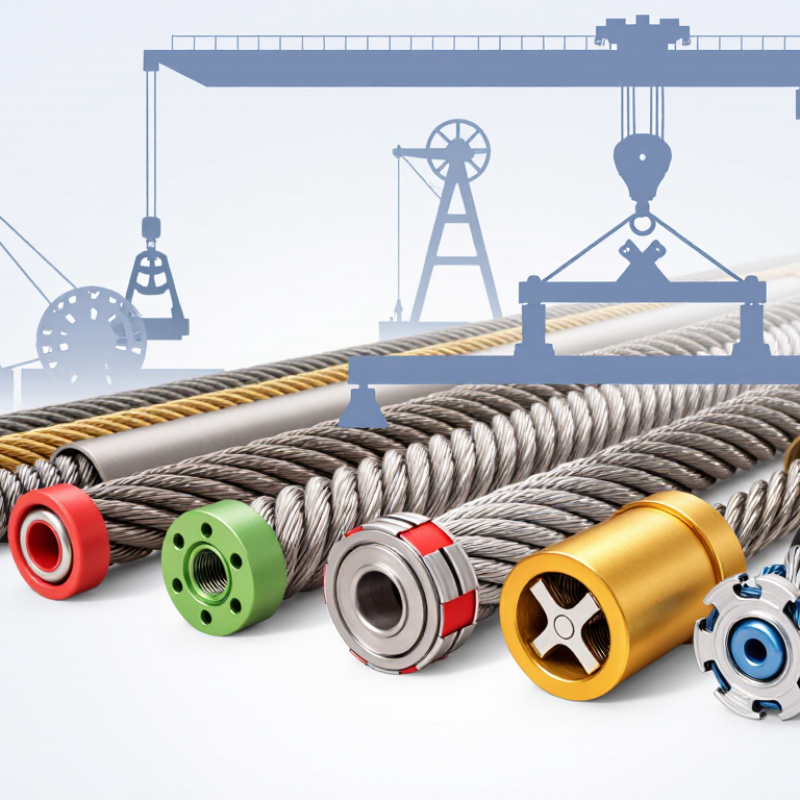
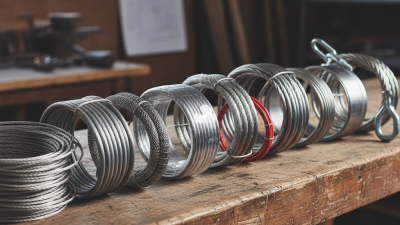
Steel rope, often called wire rope, is built from many steel wires rather than one solid rod. Each wire is drawn to a controlled diameter, then twisted with other wires to form a strand. Several strands are laid around a central core. This layered construction gives the rope flexibility, strength, and resistance to repeated bending.

The core supports the strands and helps the rope maintain its shape under load. It may be made from fiber or steel, depending on the working conditions. A steel core usually tolerates heat, crushing, and heavy tension better. A fiber core can provide greater flexibility. The choice is not always obvious.

Strand pattern also affects performance. Smaller wires can improve flexibility and abrasion resistance, while larger wires often handle surface wear better. Lubricant reduces friction between internal wires and helps slow corrosion. It must reach the rope’s interior, not only coat the outside. That detail is easy to miss.

In practical inspections, look for broken wires, flattened areas, rust, birdcaging, and unusual gaps between strands. Measure the rope against its original diameter when possible. A rope may appear acceptable while hiding internal damage. That assumption can fail. Construction matters, but actual service conditions matter just as much. Temperature, bending frequency, sheave size, and loading habits should guide the final selection.

How Do Steel Rope Materials and Core Designs Differ?

Steel rope, often called wire rope, is built from steel wires twisted into strands around a core. The material controls corrosion resistance, strength, and fatigue performance. High-carbon steel offers strong tensile capacity for lifting and winching. Galvanized steel adds zinc protection for damp environments. Stainless steel resists corrosion better, but it usually costs more and may not deliver the same strength.

Core design changes how the rope behaves under load. Fiber cores are lighter and more flexible. They also absorb lubricant and reduce crushing during ordinary service. However, heat, moisture, and heavy pressure can shorten their working life. An independent wire rope core, or IWRC, provides greater radial support and heat resistance. The Wire Rope Users Manual reports that steel-core constructions generally withstand drum crushing better than fiber-core designs. Rotation-resistant ropes use specialized strand arrangements, but installation and inspection become more demanding. ISO 2408:2017 requires wire ropes to meet defined manufacturing and testing requirements, including breaking-force verification. Do not rely on appearance alone.

Tips: Check the certificate, rope grade, lay direction, diameter, and core type. Match the design to the sheave and drum. A common mistake is choosing the highest strength available. That can reduce flexibility and accelerate fatigue. I would also question vague “heavy-duty” claims without test data. Keep a record of inspection dates, broken wires, corrosion, and deformation. Small details matter.

Which Steel Rope Specifications Affect Performance?

Steel rope is built for controlled strength, not simply maximum strength. Its diameter affects breaking load, bending behavior, and compatibility with sheaves. A larger rope may carry more force, but it also needs wider grooves and stronger equipment. Measuring the actual diameter matters because wear can reduce it gradually.

Construction changes performance in practical ways. More outer strands can improve flexibility, while fewer, larger wires may resist abrasion better. The rope’s tensile grade indicates wire strength, but it does not guarantee longer service. Core type also matters. A fiber core bends easily, while a steel core supports heavier loads and higher temperatures. I once found a rope that looked strong but kinked near a poorly aligned pulley. The specification sheet had not caused the problem. The installation had.

Lay direction and lay type influence rotation, torque, and handling. Rotation-resistant designs suit suspended loads that must stay stable, but they require careful installation. Lubrication reduces internal friction and helps protect wires from moisture. Coatings can improve corrosion resistance, yet damaged coating may hide broken wires underneath. For outdoor use, check salt exposure, temperature, and cleaning conditions before selecting a rope.

Do not choose by diameter alone. Compare minimum breaking force, working load, fatigue resistance, bending limits, and safety factors. Real lifting conditions can differ from laboratory ratings. Frequent shock loading, tight sheaves, and poor storage shorten service life. A qualified inspector should review the rope, fittings, and operating method together. My own selection checks have improved when I record wear patterns instead of relying only on purchase specifications.

What Is Steel Rope and What Type Should You Buy? – Which Steel Rope Specifications Affect Performance?
Specification or Rope Type Typical Values or Constructions Primary Performance Effect Advantages Limitations and Selection Notes Common Applications
Nominal rope diameter Approximately 3–80 mm for many general industrial ropes Influences minimum breaking force, bending fatigue, sheave compatibility, weight, and handling requirements Larger diameters generally provide higher strength and more resistance to surface wear The diameter must match the drum, sheaves, sockets, and applicable safety factor; a larger rope is not automatically suitable Lifting equipment, winches, elevators, marine systems, and guying
Rope construction 6×19; 6×36; 8×19; compacted strands; rotation-resistant constructions Determines flexibility, abrasion resistance, rotation behavior, fatigue life, and resistance to crushing Different constructions allow the rope to be optimized for repeated bending, heavy lifting, or drum winding There is no universal best construction; frequent bending and abrasion usually require different designs Overhead cranes, excavators, drilling equipment, hoists, and cableways
Core type Fiber core, independent wire rope core (IWRC), or steel strand core Affects strength, crush resistance, flexibility, temperature capability, and resistance to elongation IWRC and steel cores generally support higher loads and resist drum crushing better than fiber cores Fiber cores are more flexible but can be affected by heat, moisture, and compression; steel cores are less forgiving during tight bending Fiber core: light-duty lifting; IWRC: cranes, winches, and heavy-duty hoisting
Rope grade Common nominal wire tensile grades include 1,570, 1,770, and 1,960 N/mm² Affects minimum breaking force for a given diameter and can influence resistance to crushing and fatigue Higher grades can provide greater strength without increasing rope diameter Higher tensile grade does not by itself guarantee longer service life; bending cycles, sheave design, lubrication, and installation remain critical High-capacity lifting, compact equipment designs, and space-limited installations
Lay direction and lay type Right regular lay, left regular lay, right Lang lay, or left Lang lay Influences rotation, resistance to unlaying, abrasion pattern, drum behavior, and installation requirements Regular lay is easier to handle and commonly used; Lang lay can offer improved abrasion and bending-fatigue performance in suitable systems Lang-lay ropes require compatible end terminations and careful handling; the rope lay must match the equipment design Cranes, draglines, winches, elevators, and rope-driven machinery
Rotation resistance Standard rotation-resistant and rotation-resistant multi-layer constructions Controls torque and rope spin when the rope is loaded, especially with long free lengths or suspended loads Helps reduce load rotation and improves control in single-part and multi-part lifting systems Rotation-resistant ropes can be more sensitive to bending, crushing, incorrect reeving, and improper handling; follow the manufacturer’s usage limits High lifts, tower cranes, single-line hoists, and suspended loads requiring orientation control
Surface finish and coating Bright steel, galvanized wire, or corrosion-resistant alloy wire Affects corrosion resistance, surface friction, inspection visibility, and service life in humid or outdoor environments Galvanized or corrosion-resistant wire provides better protection than bright wire in many wet or exposed conditions Coating does not eliminate the need for lubrication and inspection; chemical exposure may require a specialized material Marine equipment, outdoor cranes, ports, bridges, and exposed winch systems
Filling factor and metallic area Varies with strand geometry, wire count, and compacting process Influences metallic cross-sectional area, strength, stiffness, contact pressure, and resistance to crushing Compacted ropes can provide higher strength and a smoother outer surface at the same nominal diameter Higher metallic area may increase stiffness and require compatible sheave and drum dimensions Heavy lifting, multi-layer winding, compact equipment, and high-capacity winches
Minimum sheave-to-rope diameter ratio Often specified by the equipment or applicable standard; typical systems may use ratios from about 18:1 to 30:1 or higher Strongly affects bending stress, fatigue life, and localized wear A larger sheave generally reduces bending stress and can extend rope service life The correct ratio depends on rope construction, duty cycle, load, and standard; never select the rope without checking sheave compatibility Cranes, elevators, aerial systems, and repeated-cycle hoists
Lubrication condition Factory lubricant plus periodic field lubrication using a compatible rope lubricant Reduces internal friction, corrosion, and wear between wires and strands Regular, compatible lubrication can improve flexibility and support longer service life Excessive or unsuitable lubricant can hide broken wires, attract abrasive particles, or interfere with brakes and linings All applications, particularly outdoor, marine, high-cycle, and high-load systems
Design factor or safety factor Common lifting-system design factors may range from about 3:1 to 7:1 or more, depending on the equipment and regulations Defines the relationship between minimum breaking force and the permitted working load Provides a structured margin for dynamic effects, wear, installation variation, and operating conditions The required factor is application-specific and must follow local regulations, equipment standards, and the manufacturer’s instructions Hoisting, personnel lifting, offshore systems, elevators, and material handling
Duty cycle and bending frequency Low-cycle, intermittent, or high-cycle operation; repeated bending over sheaves and drums Often has a greater effect on service life than static tensile strength alone Matching construction, core, sheave size, and lubrication to the duty cycle can improve reliability A rope intended for static guying may be unsuitable for frequent bending; inspect high-cycle ropes more often Continuous hoists, elevators, cranes, cableways, and automated handling systems
Note: Actual performance depends on rope construction, load spectrum, reeving, sheave and drum dimensions, environment, lubrication, installation quality, inspection practices, and the applicable safety standard. Always verify the required minimum breaking force and working load with the equipment documentation.

How Should You Choose Steel Rope for a Specific Application?

How Should You Choose Steel Rope for a Specific Application?

Choosing steel rope starts with the load, movement, environment, and failure consequences. A lifting rope needs a different construction from a winch rope. Calculate the working load, then include acceleration, shock loading, and bending. Never select by diameter alone.

The U.S. Bureau of Labor Statistics recorded 1,069 fatal work injuries in transportation and material-moving occupations in 2023. This figure does not prove that rope failures caused them. It does show why disciplined selection matters. ISO 4309:2017 recommends inspection and discard criteria for crane ropes. Check broken wires, corrosion, diameter loss, birdcaging, and crushed sections. A rope exposed to saltwater may need corrosion-resistant construction. A crane running over small sheaves needs better bending performance. Rotation-resistant rope suits freely suspended loads, but it demands careful handling. It is not automatically safer.

Tips: Match the rope construction to the sheave diameter and drum grooves. Confirm the design factor with a qualified engineer. Record inspections with photographs and measured diameter. Ask for test certificates, not only a sales description. Keep the rope clean and lightly lubricated when the application permits.

Field experience often reveals overlooked details. A short rope may still suffer severe shock loading. A large rope may perform poorly on a tight sheave. I have seen selection decisions based only on breaking strength. That shortcut deserves reconsideration. Temperature, fleet angle, storage, and operator habits can change service life dramatically. Consult ISO 4309, applicable lifting regulations, and the equipment manufacturer’s limits before installation.

What Safety and Maintenance Factors Should You Consider?

Choosing a steel rope starts with its working environment, not its appearance. A rope for lifting needs a verified working load limit, suitable diameter, and compatible end fittings. Construction also matters. Fibre-core ropes offer flexibility, while metal-core designs resist crushing and heat better. The correct choice depends on sheave size, bending frequency, shock loading, and exposure to moisture or chemicals. A rope can look strong and still be unsuitable.

Safety checks should happen before every demanding operation. Look for broken wires, flattened sections, birdcaging, corrosion, kinks, and damaged terminations. Run a gloved hand carefully along the rope. Never use bare fingers; sharp wires can hide under dirt. Measure damaged areas against approved discard criteria, not personal judgment. This is where rushed inspections fail. A competent inspector should assess serious damage and confirm the rope’s identification and service history.

Maintenance should keep dirt and water from settling between strands.

Clean the rope with a suitable method, then apply compatible lubricant evenly. Excess lubricant attracts abrasive dust. Store unused rope off the floor, covered, dry, and away from heat. Keep records of inspections, loads, repairs, and replacement dates. The replacement date should not be based on age alone. In practice, operators sometimes trust routine more than evidence, so changing conditions deserve a fresh inspection and a second opinion.