Top 10 Steel Handrail Manufacturers for Global Buyers

Choosing a steel handrail manufacturer is not simply a price comparison. It is a decision about safety, durability, workmanship, and long-term supply reliability. For global buyers, the right partner must deliver consistent dimensions, dependable welding, accurate surface treatment, and clear technical documentation.

Lakshmi Mittal, a global steel industry leader, has stated, “Safety is our number one priority.” That principle matters on every staircase, balcony, platform, and industrial walkway. A well-made handrail should feel firm in the hand, resist corrosion near coastal air, and remain stable after years of daily use. Small details matter. Weld smoothness matters. So does packaging.

This guide reviews ten steel handrail manufacturers serving international markets. The comparison considers stainless steel and carbon steel options, fabrication capacity, finish quality, customization, testing records, export experience, and responsiveness. It also examines whether suppliers explain material grades, load requirements, installation conditions, and applicable local standards. A polished website is not proof of factory capability. Neither is the lowest quotation.

No ranking is flawless. Buyer priorities differ.

Some projects need architectural elegance. Others need rugged industrial performance and fast replacement parts. Readers should verify certificates, samples, references, and production terms before placing an order. Our selection aims to provide a practical starting point, not a substitute for project-specific engineering review. That distinction is important when one overlooked detail can lead to costly rework, delayed installation, or an unsafe result.
Top 10 Steel Handrail Manufacturers for Global Buyers

Steel Handrail Manufacturing: Scope, Products, and Global Market Roles

Steel handrail manufacturing covers design, forming, welding, finishing, inspection, packing, and installation support. Its scope extends beyond stair guards in commercial buildings. Factories also supply balcony rails, walkway barriers, ramps, platforms, pool perimeters, and industrial access systems. Global manufacturers serve contractors, distributors, architects, and infrastructure buyers with different technical expectations. Their role is not simply producing metal. They translate drawings into repeatable, transportable, and site-ready components.

Product choices commonly include stainless steel, galvanized carbon steel, and painted structural steel. Round tubes feel comfortable under the hand, while square sections suit modern architectural lines. Typical systems combine posts, top rails, brackets, base plates, and fixings. Reliable production depends on accurate cutting, consistent weld penetration, controlled polishing, and traceable material records. For outdoor projects, coating thickness and drainage details deserve close attention. Small defects can become rust stains beside a busy entrance. Some suppliers promise flawless consistency, but real production still needs sampling and corrective review. That limitation should be acknowledged.

For global buyers, manufacturing value includes engineering communication and export discipline. A capable supplier provides shop drawings, connection details, finish samples, packing lists, and inspection photographs. It should clarify tube dimensions, tolerances, loading assumptions, and installation responsibilities before fabrication. Container packing matters when long rails travel through humid ports or repeated handling. Buyers should compare weld quality, documentation, replacement support, and realistic lead times, not price alone. A low quotation may conceal extra drilling, rework, or local adaptation costs. Regional experience helps, but it cannot replace project-specific verification.
Key Criteria for Selecting Reliable Steel Handrail Manufacturers

Choosing among the top 10 steel handrail manufacturers requires more than comparing catalog prices. Start with documented experience in similar projects, such as coastal walkways, warehouses, or public stairs. Ask for completed-project evidence, not polished photographs alone. A capable manufacturer should explain load assumptions, mounting methods, steel grades, weld procedures, and protective finishes clearly. Request drawings with dimensions, tolerances, hole locations, and connection details. Small errors become expensive on site.

Material control is a practical test of reliability. Confirm heat numbers, mill certificates, inspection records, and batch traceability before production begins. For outdoor installations, examine the proposed galvanizing or coating system, including surface preparation and expected maintenance. Independent testing can verify coating thickness, weld quality, and dimensional accuracy. It costs more upfront. It can prevent rework, rejected deliveries, and unsafe modifications. A factory visit, video inspection, or pre-shipment check also reveals housekeeping and process discipline. Yet one visit cannot prove consistent performance; repeated records matter more.

Communication deserves equal weight. Reliable teams answer technical questions directly, flag design conflicts, and provide realistic lead times. Check whether prototypes or sample sections can be reviewed before full production. Discuss packaging, labeling, replacement parts, and installation guidance in writing. Ask how complaints are logged and corrected. Vague promises are a warning. Compare two quotations line by line, because the lowest offer may exclude testing, freight protection, or site-specific hardware. Some specifications remain uncertain until field conditions are measured, so allow verification before rushing production.

Top 10 Steel Handrail Manufacturers for International Buyers

Top 10 Steel Handrail Manufacturers for International Buyers

Choosing among the top ten steel handrail manufacturers requires more than comparing online prices. International buyers should examine production experience, engineering support, and export reliability. A capable supplier can provide shop drawings, weld details, surface-finish samples, and material certificates before production begins. These documents reduce costly misunderstandings across languages and time zones.

For coastal projects, request stainless steel or properly protected carbon steel. Ask for coating thickness records, salt-spray test results, and photographs of packed goods. Handrails should arrive with protected corners, labeled components, and hardware separated by installation zone. Manufacturers familiar with international projects usually confirm dimensions in millimeters and clarify applicable standards, such as ASTM, EN, or local building codes. They should also explain tolerances instead of promising perfect results.

Factory audits reveal practical differences. Look at welding consistency, grinding marks, drainage holes, and storage conditions. A reliable manufacturer welcomes third-party inspection before shipment. Confirm payment terms, production lead time, replacement procedures, and shipping responsibilities in writing. Port delays happen. Packaging still matters.

One overlooked issue is installation feedback. Ask whether previous buyers reported loose anchors, uneven finishes, or missing fittings. Even experienced manufacturers can make errors when drawings change late. I would not judge quality from polished photos alone. A small sample order, reviewed against the approved drawing, provides stronger evidence. Communication remains a test. Slow replies before payment rarely improve afterward.

Top 10 Steel Handrail Manufacturers for Global Buyers

A normalized buyer-priority framework for comparing steel handrail suppliers internationally. The index totals 100 points and focuses on procurement factors rather than company or brand performance.

Corrosion resistance and compliance documentation typically receive the greatest emphasis in international projects because handrails must perform reliably in their installation environment and satisfy applicable safety, material, and quality requirements.

Product, Quality, Capacity, and Export Comparison

Top 10 Steel Handrail Manufacturers for Global Buyers

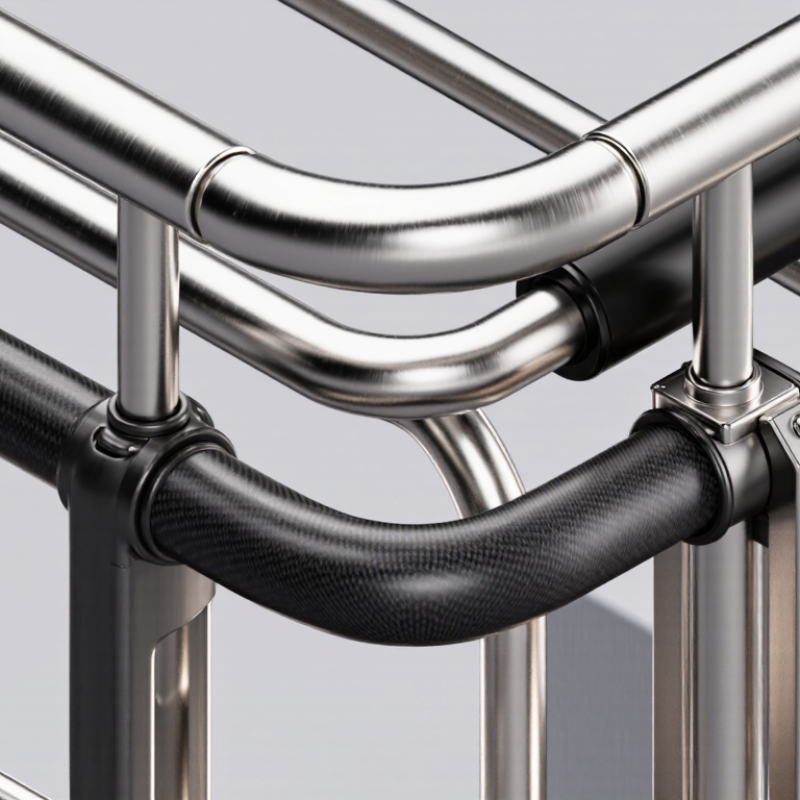
When comparing ten steel handrail manufacturers, product range matters more than catalog size. Strong suppliers usually offer stainless steel, galvanized steel, and powder-coated carbon steel systems. Their products should include posts, brackets, base plates, fittings, and custom bends. In practical projects, a clean 90-degree corner often reveals more than polished marketing photos. Check tube thickness, weld consistency, surface finish, and dimensional tolerance. Small defects become obvious on long corridors.

Quality evidence should include material certificates, welding procedures, load-test records, and inspection reports. Reliable manufacturers explain their testing methods instead of using vague terms like premium quality. Stainless steel grades must match the installation environment, especially near saltwater or chemical exposure. Coating thickness also deserves attention. A beautiful finish can still fail early. This is where supplier experience becomes visible.

Production capacity should be measured through monthly output, equipment, staffing, and quality-control stages. A large factory is not automatically dependable. Ask about sample approval, tooling schedules, replacement parts, and peak-season lead times. Export capability includes strong packaging, accurate commercial documents, pallet protection, and familiarity with destination requirements. Some manufacturers support private labeling and mixed-container orders, while others prefer high-volume contracts. That difference affects smaller buyers. No ranking stays perfect. A supplier with excellent capacity may offer slower communication, while a smaller producer may deliver better customization. Compare evidence, not promises.

Global Purchasing Factors: Compliance, Pricing, Lead Times, and Support

Top 10 Steel Handrail Manufacturers for Global Buyers

Global buyers should assess compliance before comparing steel handrail prices. Ask each manufacturer for material certificates, welding procedures, surface treatment records, and inspection reports. Requirements may differ between commercial buildings, factories, transport facilities, and public projects. Confirm alignment with local building codes and recognized standards, such as EN or ASTM requirements. Paperwork matters.

Pricing needs careful comparison. A low quotation may exclude packaging, testing, inland transport, or corrosion protection. Stainless steel grade, tube thickness, finish, and connection design can change the final cost significantly. In sourcing reviews, buyers sometimes compare unit prices only. That approach is imperfect. Request a complete delivered-cost breakdown, including molds, samples, duties, and replacement parts.

Lead times should be checked against production capacity, not promises alone. Request a realistic schedule covering drawing approval, sample inspection, fabrication, finishing, and container loading. A detailed timeline exposes pressure points early. Support also matters after purchase. Reliable manufacturers should provide responsive engineering communication, installation drawings, spare components, and clear claims procedures. Ask how quickly they answer technical questions across time zones. That gap matters. A supplier may offer excellent steelwork yet struggle with revisions or after-sales coordination. Small communication delays can affect an entire installation schedule.

Top 10 Steel Handrail Manufacturers for Global Buyers - Global Purchasing Factors: Compliance, Pricing, Lead Times, and Support

Anonymized supplier benchmark for international purchasing evaluation

Rank Supplier Profile Primary Product Focus Typical Materials & Finishes Common Compliance Documents Indicative Price Level Standard Lead Time Custom Lead Time Export Support Best Fit
1 Profile A — Integrated Fabricator Architectural handrails, guardrails, stairs and balustrades 304/316 stainless steel; brushed, mirror-polished or powder-coated carbon steel Mill certificates, welding procedure records, dimensional inspection report and packing list Medium 15–25 days 25–40 days Shop drawings, export packing, container loading photos and basic installation guidance Commercial projects
2 Profile B — Stainless Steel Specialist Indoor and outdoor stainless-steel handrail systems 304 and 316 stainless steel; satin, hairline and electro-polished options Material test certificates, surface-finish samples, inspection report and corrosion-grade specification Medium–High 20–30 days 30–45 days Material traceability, sample approval and multilingual quotation support Coastal environments
3 Profile C — Volume Production Facility Standard metal handrails, posts, brackets and fittings Carbon steel, galvanized steel and 304 stainless steel; powder coating available Material certificates, coating thickness report, factory inspection checklist and commercial invoice Low–Medium 10–20 days 20–35 days Competitive container pricing, carton marking and third-party inspection coordination Large quantities
4 Profile D — Modular System Manufacturer Modular railing kits, fittings and quick-install systems Aluminum, 304 stainless steel and galvanized steel; anodized or powder-coated finishes Product drawings, load data, material certificates and installation instructions Medium 12–22 days 22–38 days Cut lists, assembly diagrams, replacement-part support and small-batch ordering Installers and distributors
5 Profile E — Architectural Custom Shop Bespoke handrails, curved sections and decorative metalwork Stainless steel, mild steel, brass accents and laminated-glass-compatible fittings Approved shop drawings, welding records, material certificates and final quality report High 25–35 days 40–60 days 3D coordination, prototype review, sample panels and project-based technical support Premium interiors
6 Profile F — Galvanized Steel Supplier External stairs, access platforms and industrial guardrails Hot-dip galvanized carbon steel; zinc-rich primer and industrial paint systems Galvanizing certificate, steel grade certificate, weld inspection and coating report Low–Medium 18–28 days 28–45 days Heavy-duty packing, palletization, load planning and industrial documentation Industrial facilities
7 Profile G — Project Export Manufacturer Complete railing packages for residential and commercial developments Stainless steel, carbon steel, aluminum and glass-support components Technical submittals, inspection and test plan, packing list and country-specific declarations Medium–High 25–35 days 40–65 days Milestone production updates, container consolidation and dedicated project coordination Developers and contractors
8 Profile H — Small-Batch OEM Workshop OEM components, brackets, posts and replacement parts 304 stainless steel, carbon steel and aluminum; standard and custom finishes Material certificates on request, dimensional report and pre-shipment photos Low–Medium 12–20 days 20–35 days Low minimum order quantities, prototype support and flexible packaging Private-label buyers
9 Profile I — Safety Railing Manufacturer Safety barriers, rooftop rails, platform rails and access systems Galvanized steel, powder-coated steel and aluminum safety components Load calculations, installation drawings, material certificates and inspection records Medium 20–30 days 30–50 days Technical compliance review, site-measurement assistance and maintenance guidance Factories and warehouses
10 Profile J — Distributor-Ready Standard-Line Supplier Stock-size handrails, connectors, end caps and mounting accessories 304 stainless steel, galvanized steel and powder-coated steel Basic material documentation, product data sheets, carton labels and commercial documents Low 7–15 days 18–30 days Fast quotation, mixed-SKU ordering, barcode labeling and consolidated shipment support Distributors and stockists
Purchasing note: Pricing and lead times are indicative market ranges for comparable steel handrail orders and may vary by material grade, quantity, finish, engineering requirements, destination, freight conditions and inspection scope. Buyers should verify current quotations, applicable building codes, load requirements, certificates and delivery commitments before purchase.