Top Steel Wire Manufacturers for Global Buyers?
Global buyers rarely choose steel wire on price alone. They need stable quality, clear documentation, dependable delivery, and responsive technical support. This guide introduces leading steel wire manufacturers serving international markets. It examines their production capabilities, product ranges, certifications, export experience, and sector focus. The aim is practical comparison, not empty promotion. A manufacturer may excel in tire cord yet lack strength in construction wire. That difference matters.
Reliable evaluation starts with the wire itself. Buyers should review tensile strength, diameter tolerance, surface finish, coating weight, fatigue performance, and packaging. Test reports should identify methods, batch numbers, and inspection dates. Factory audits can reveal drawing-line conditions, furnace controls, storage practices, and traceability systems. Look closely. A bright coil is not proof of consistent performance. Independent verification remains valuable, especially for large contracts or safety-sensitive applications.
The outline also considers manufacturers from a buyer’s working perspective. It discusses communication across time zones, sample approval, minimum order quantities, lead times, shipping terms, and after-sales handling. These details often decide whether a technically suitable supplier becomes a reliable partner. Market reputation helps, but it should not replace current evidence. No ranking is perfect. Capacity figures change, certifications expire, and even established suppliers can miss a delivery. Readers should confirm specifications directly before purchasing steel wire. Careful questions may feel slower, but they prevent expensive surprises at the warehouse, factory, or job site.
What Defines a Leading Steel Wire Manufacturer
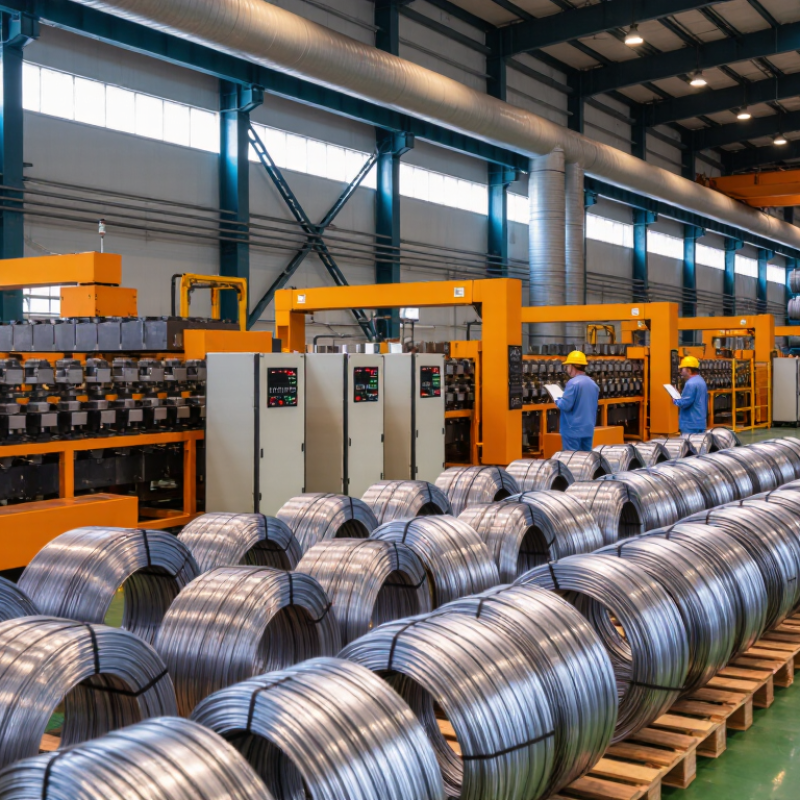
A leading steel wire manufacturer is defined by repeatable performance, not production volume alone. World Steel Association data recorded 1,892.2 million tonnes of global crude steel production in 2023. That scale makes process control essential. Buyers should examine tensile strength, elongation, wire diameter, coating mass, and torsion results for every heat. Mill test certificates should match physical samples. Small gaps matter.
Traceability is a practical test of expertise. A reliable producer can connect each coil to its furnace heat, drawing line, inspection record, and shipping document. ISO 9001 supports controlled quality systems, while ISO 14001 indicates structured environmental management. These certificates help, but they do not replace factory evidence. Ask for recent inspection reports. Visit the plant when project risk justifies it. Photos are not proof.
Delivery capability also separates strong manufacturers from ordinary suppliers. The OECD Steel Outlook 2024 highlighted continuing global capacity pressures, which can affect lead times and pricing. A capable wire producer maintains backup equipment, trained operators, spare dies, and realistic production schedules. Technical support should explain why a wire fails during bending or welding, not merely offer replacement material. No factory is flawless. Even experienced teams can miss a coating variation or delay a test report. What matters is visible corrective action, documented root-cause analysis, and honest communication before the coil reaches the job site.
Key Steel Wire Products and Their Industrial Applications
Top Steel Wire Manufacturers for Global Buyers?
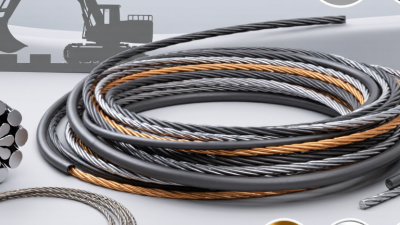
Steel wire supports construction, agriculture, automotive parts, fencing, and industrial equipment. Low-carbon wire bends easily for tying, mesh, and general fabrication. High-carbon wire offers stronger fatigue resistance for springs, ropes, and tension components. Stainless steel wire suits corrosive areas, including food-processing equipment and outdoor structures.
Galvanized wire adds zinc protection against moisture and surface rust. Prestressed concrete strand helps reinforce bridges, beams, and building slabs. Each product needs the correct diameter, tensile strength, elongation, and surface finish. Experienced manufacturers should provide test reports, batch traceability, dimensional checks, and clear packaging details. A small sample test can reveal coating flaws or inconsistent hardness before large-scale purchasing.
Tips:
Ask for production tolerances, coil weight, spool dimensions, and inspection records. Confirm whether the wire matches your forming equipment. Packaging matters too; damaged coils create delays. I have seen specifications that looked complete but missed winding direction and inner diameter. That mistake is easy to overlook. Buyers should also compare delivery reliability, communication quality, and technical support, not only the quoted price. A lower price may hide unstable quality or costly rework. Manufacturers with documented process controls and practical application knowledge are usually safer choices for long-term industrial supply.
How Global Buyers Evaluate Steel Wire Suppliers
Top Steel Wire Manufacturers for Global Buyers?
Global buyers evaluate steel wire suppliers through evidence, not attractive product pages. They check tensile strength, wire diameter, surface finish, and coating consistency against project specifications. A reliable supplier should provide recent test reports, material certificates, and traceability from billet to finished coil. Small details matter. A missing heat number can delay approval.
Factory experience also deserves close attention. Buyers often request production photos, sample coils, and records from similar applications. An experienced manufacturer can explain drawing reductions, annealing control, and packaging choices in practical terms. They should also identify limits clearly. Overconfident promises create risk when wire must perform under repeated loads, welding, or outdoor exposure.
Quality systems are important, but certificates alone are not enough. Buyers may review inspection procedures, calibration records, and nonconformance handling. Independent testing can strengthen confidence, especially for large orders. Packaging should protect coils from moisture, impact, and deformation during long transport. Delivery performance matters too. Ask how the supplier manages raw material shortages and specification changes.
Communication reveals operational maturity. Clear quotations should state tolerances, minimum order quantities, lead times, payment conditions, and acceptable inspection methods. One overlooked issue is after-sales response. If a coil fails incoming inspection, the supplier should investigate with test data, not vague explanations. No evaluation is perfect. A promising supplier may still require a trial order, because real production results can challenge even careful assumptions.
Top Steel Wire Manufacturers for Global Buyers?
How Global Buyers Evaluate Steel Wire Suppliers
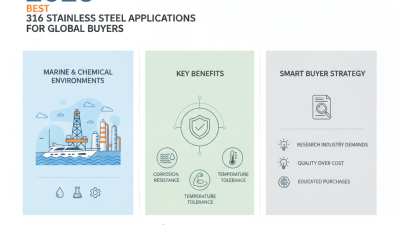
This reference model reflects common procurement priorities in international steel wire sourcing. Product performance, coating quality, dimensional consistency, delivery reliability, and compliance documentation are typically assessed together rather than by price alone.
Major Regions and Standards in Steel Wire Manufacturing
Global steel wire buyers often compare manufacturers by region, but quality depends on standards and process control. In Europe, EN specifications commonly define tensile strength, dimensions, coatings, and testing methods. North American suppliers often work to ASTM requirements for welding wire, springs, fasteners, and concrete reinforcement. Asian producers may follow JIS or GB standards, while export factories often add ISO-based quality systems. These systems are useful, but they are not interchangeable.
A practical sourcing review should match the wire’s end use with the correct regional standard. Galvanized fencing wire needs coating mass data, bend results, and zinc adhesion records. Prestressed concrete wire requires tight control of relaxation, tensile strength, and surface condition. Spring wire demands consistent diameter and fatigue performance. Ask for mill test certificates, batch traceability, calibration records, and independent test reports. During factory visits, I would inspect drawing dies, pay-off tension, furnace charts, and coil labeling. Small gaps can reveal larger risks.
There is no single best manufacturing region. Cost, raw-material access, port distance, and inspection capacity can change the decision. A supplier may claim compliance, yet use an outdated edition or unsuitable test method. That deserves careful checking. Buyers should state the destination market, applicable standard, tolerance, coating class, packaging, and acceptance criteria before requesting quotations. Standards sound precise. In practice, interpretation still matters.