Who Is the Best Steel Wire Manufacturer in China?
Choosing the best steel wire manufacturer in China is not a simple matter of comparing prices. The right partner depends on the wire grade, diameter, coating, strength requirements, and intended application. A supplier experienced with galvanized wire may not be the best fit for stainless steel or precision-drawn products. Details matter.
Look beyond a polished brochure. Ask for current product specifications, inspection records, and sample coils that match your order. Check whether the manufacturer can explain tensile strength, diameter tolerance, surface finish, and packaging in clear terms. A reliable supplier should also describe how it handles batch identification and quality issues. These are practical signs, not guarantees.
Small checks help. Compare a sample’s finish, measure its diameter at several points, and confirm that the test documents refer to the same grade and batch. Communication matters, too. Slow or vague answers before an order may create problems later. Still, no checklist can remove every risk, and a factory visit or independent inspection may not be practical for every buyer. That limitation deserves attention.
This guide considers how to assess steel wire manufacturers in China through product capability, quality controls, production consistency, service, and evidence buyers can verify. It does not assume one company is best for every need. The strongest choice is the manufacturer that can meet your documented requirements consistently—and explain its limits honestly.
What Defines a Leading Steel Wire Manufacturer in China?
A leading steel wire manufacturer is defined by repeatable performance, not production volume alone. China produced 1,019.1 million tonnes of crude steel in 2023, about 54% of the global total, according to World Steel Association’s World Steel in Figures 2024. That scale offers a broad industrial base, but it does not guarantee consistent wire quality. Numbers matter.
For buyers, the useful evidence is specific: documented steel chemistry, tensile-test results, diameter tolerances, surface inspection, and traceable batch records. Ask how samples are tested and whether results match the certificates for the actual shipment. A coil may look smooth under warehouse lights, yet hidden scale or uneven drawing can affect downstream processing. Standards such as ISO 6892-1 provide a recognized method for tensile testing, but a standard is only meaningful when procedures and records are applied consistently.
Delivery reliability also counts. Check lead times, packaging, storage controls, and how complaints are investigated. A capable producer should explain corrective actions plainly, not just promise “zero defects.” Still, verify. No mill is flawless, and a polished audit cannot replace routine inspection. I would compare several recent batches before committing to a long-term supply arrangement.
What Defines a Leading Steel Wire Manufacturer in China?
China’s crude steel output provides context for the scale of the domestic steel supply chain. Production volume alone does not indicate a wire manufacturer’s quality or reliability.
A strong manufacturer should also demonstrate consistent product testing, traceable material records, dependable delivery, and compliance with applicable standards. Source: World Steel Association, worldsteel.org.
Key Types and Applications of Steel Wire Products
Steel wire is not one product with one job.
Low-carbon steel wire bends easily, making it useful for binding, wire mesh, and general construction work. High-carbon wire holds tension better and is commonly used in springs, ropes, and demanding mechanical parts. The right choice depends on the load and forming process.
Details matter.
Surface finish can change service life. Galvanized wire has a zinc coating that helps resist corrosion in fencing, agricultural supports, and outdoor mesh. Stainless steel wire suits humid or corrosive settings, such as food-processing equipment and marine fittings. Yet stainless wire is not automatically the best option; its cost and forming behavior may not fit every project.
Not always.
For buyers comparing Chinese manufacturers, specifications are more useful than broad claims.
Check wire diameter tolerance, tensile strength, coating weight, and test documentation against the intended application. A small diameter variation can affect spring performance or how evenly a mesh is woven. Ask how samples are inspected and whether production batches are traceable. These checks cannot remove every risk, but they make comparisons clearer.
Even then,
the test conditions should match the way the wire will actually be used.
Major Factors for Evaluating Chinese Manufacturers
Who Is the Best Steel Wire Manufacturer in China?
Major Factors for Evaluating Chinese Manufacturers
China’s scale is substantial, but scale alone does not establish wire quality. World Steel Association’s World Steel in Figures 2025 reports that China produced 1,005.1 million tonnes of crude steel in 2024. This figure shows the depth of the country’s steelmaking base, not the consistency of any individual wire mill. Numbers matter. Buyers should compare the actual wire grade, diameter range, and delivery record against their application.
Ask for evidence. Review recent mill certificates, chemical composition results, tensile-test data, and dimensional tolerances for the specific product. Check whether the supplier can trace a finished coil to its production batch, and ask how it controls surface defects such as rust or scratches. A polished sample is useful, but it cannot replace repeated test results. Production capacity and lead time also matter; a low quoted price may not account for packaging, inspection, or shipment delays. No checklist is perfect. Even strong paperwork can miss variation between batches, so independent testing of a trial order is a sensible extra check.
How to Compare Quality, Capacity, and Certifications
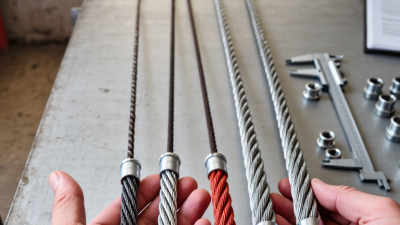
A reliable comparison starts with the wire itself, not a polished product sheet. Request samples from several production batches and check diameter, coating, tensile strength, and surface finish against your specification. A micrometer can reveal diameter variation; a close look may show rough spots or uneven coating. Small differences matter. Ask how the manufacturer controls drawing, heat treatment, and inspection, and whether test results link to identifiable batches. One sample is useful, but it cannot prove consistent production.
Capacity needs evidence beyond a factory’s stated annual output. Ask about current equipment, typical lead times, available wire sizes, and recent delivery performance. Check whether the plant can maintain your required specification at the volume you need. A large order may expose bottlenecks that a sample run does not. A trial order helps. Still, delivery records can be incomplete, so compare several references rather than relying on one.
Certifications should match the actual production site and product category. Check the issuing body, certificate scope, validity dates, and whether the document covers the wire you plan to buy. Request recent inspection records, batch traceability documents, and relevant test reports. Verify certificates with their issuer when possible. A certificate is not a substitute for product testing. Even a careful review can miss problems, and paperwork may look cleaner than the production process behind it.
Steps for Selecting a Suitable Steel Wire Supplier
Who Is the Best Steel Wire Manufacturer in China?
Steps for Selecting a Suitable Steel Wire Supplier
Start with the wire’s job, not a supplier’s sales pitch. Specify diameter, tensile strength, surface finish, coating, and intended use. Even a small diameter variation can affect feeding or forming on a production line. Ask for a product specification sheet and test records for the grade you need. Details matter.
Check how the supplier controls consistency between batches. Request samples, then measure them with suitable equipment and compare results against your tolerances. For demanding applications, ask what tests are performed and how test results are recorded. Clear batch identification helps you trace material if a delivery does not match expectations. A factory visit can reveal practical details, but one visit cannot prove long-term quality.
Review capacity, lead times, packaging, and how questions or complaints are handled. Compare quotations carefully: a low price may exclude testing, protective packing, or dependable delivery dates. Ask for a small trial order before committing to larger volumes. No supplier is perfect, and I would not treat a polished certificate as a substitute for checking the actual wire. Judge the response as well as the document.