China’s stainless steel railing sector serves projects ranging from apartment balconies to hotel staircases and coastal walkways. Choosing a manufacturer is not only a matter of price. Weld quality, material grade, finish consistency, and installation details can shape safety, durability, and appearance. Small flaws matter.
This guide introduces ten Chinese manufacturers for buyers comparing product capability, customization, export experience, and communication. It highlights practical questions to ask, such as whether a supplier can provide material certificates, dimensional drawings, sample finishes, and clear packing details. Buyers may also compare stated lead times, fabrication options, and support for project-specific dimensions. These checks help turn a polished catalog into a more reliable purchasing decision. Still, a profile cannot replace factory verification.
Stainless steel railing systems vary by grade, tube thickness, connection method, and surface treatment. A brushed indoor handrail may suit a different setting than a polished coastal balustrade exposed to salt air. Buyers should confirm specifications against project requirements and applicable local standards with qualified professionals. Claims about capacity or certifications should also be checked directly with each company, since product ranges and records can change. The ranking is a starting point, not a final verdict. In practice, response speed and after-sales support may matter as much as a competitive quote. That detail is easy to overlook. A sample or finish swatch can reveal differences that photographs hide. The companies featured here offer a useful shortlist, while careful comparison remains the buyer’s responsibility.
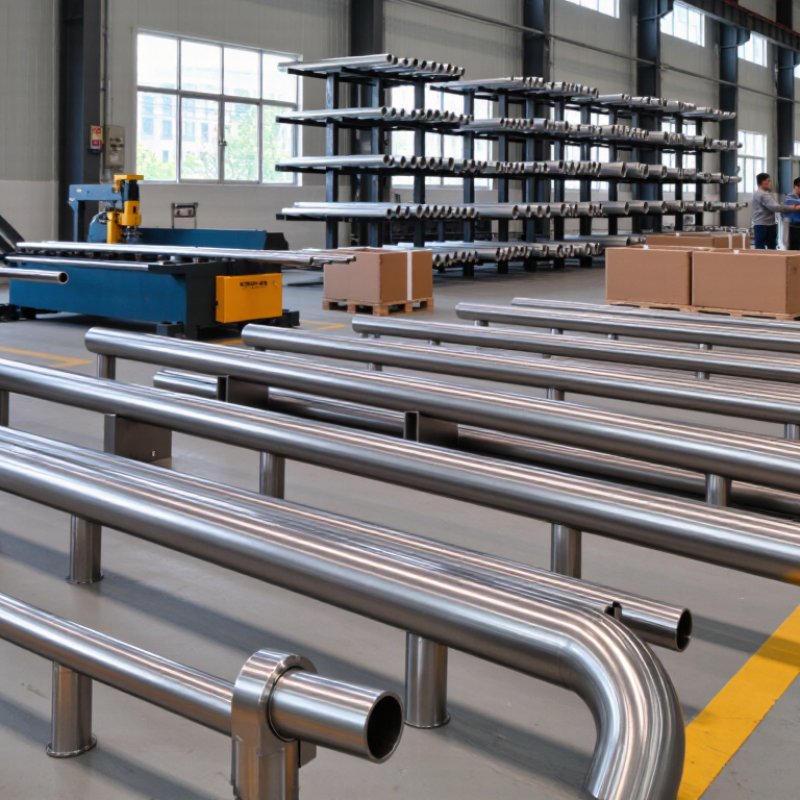
China’s stainless steel railing sector is organized around several types of suppliers, not one uniform industry. Some factories focus on tube, plate, and fitting production. Others turn these materials into finished railing systems for buildings, stairs, balconies, and public spaces. A smaller workshop may offer flexible custom fabrication, while larger operations often handle repeat orders and export packaging. Capabilities vary widely. A polished catalogue alone does not prove consistent production quality.
Many buyers work with fabricators that coordinate design, cutting, welding, finishing, and packing. Specialist component makers may supply posts, brackets, or handrail fittings to these firms. Project-oriented suppliers can also provide measurements and installation guidance, though the depth of technical support differs. Ask how the supplier checks welds, surface finish, dimensions, and packaging. Request drawings and sample inspection records when available. Details matter. A site measurement missed by a few millimeters can complicate installation, especially on sloped stairs.
Tips: Match the supplier’s production experience to your project’s shape and order volume. Ask for material specifications, finish samples, and clear tolerance information. Check how corners and joints are finished, not just straight sections. Ask for evidence. Then confirm who handles revisions if the approved drawing changes.
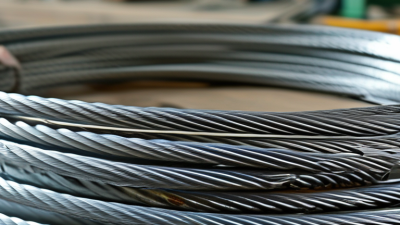
Stainless steel railing manufacturers typically supply complete systems, not just polished tubes. Common products include handrails, posts, brackets, base plates, and infill options such as glass, horizontal bars, or wire cables. Some make stair, balcony, poolside, and commercial railings in different heights and layouts. The right system depends on where it will be installed. Outdoor coastal projects, for example, may need more careful material selection and maintenance planning than an indoor staircase.
Services often begin with measurements, layout drawings, and material recommendations. Fabrication may include cutting, welding, drilling, polishing, and custom fitting around corners or uneven landings. Finishes can range from brushed to mirror-polished, though fingerprints show more readily on some surfaces. Details matter. A supplier may also provide installation instructions, hardware lists, packing, and project coordination; installation itself may be handled separately. Ask how dimensions are checked before production and what inspection records are available. A precise drawing helps, but it cannot reveal every site condition. Not every wall is straight. Confirming measurements and fixing points on site can prevent costly adjustments, and it is sensible to clarify cleaning needs before choosing a finish.
A representative overview of common stainless steel railing product and service categories.
Bars count example items listed for each category; they do not indicate market share, manufacturer rankings, or how commonly a particular supplier offers them. Typical offerings can include railing systems, infill options, stainless grades and finishes, plus project services such as drawings, custom fabrication, and installation support.
How to Evaluate China’s Leading Stainless Steel Railing Manufacturers
Choosing a stainless steel railing manufacturer takes more than comparing prices and polished showroom photos. World Stainless reported global stainless steel melt shop production of 58.4 million tonnes in 2023, up 4.6% from 2022. That scale signals a large, competitive supply chain, but it does not prove any factory’s quality. Ask for the steel grade, mill certificates, and traceable batch records. Then check whether the material on the certificate matches the railing components you receive. Small detail. It matters.
Inspect sample welds for even seams, clean finishing, and visible signs of corrosion or heat damage. Ask how the factory verifies dimensions, load performance, and surface finish, and request recent test records rather than verbal assurances. Standards such as ASTM A554 can help specify stainless steel tubing, but project requirements and local building rules still need review. A salt-spray result alone is not a complete prediction of outdoor service life. I would also compare lead times, packaging, and replacement-part support. A factory tour can be helpful, though one neat production line may not represent every order. Ask for process photos and inspection records tied to a specific shipment.
Profiles of ten notable stainless steel railing manufacturers in China are most useful when they explain capabilities, not just display polished projects. Some focus on made-to-measure designs for hotels and commercial buildings, where curved corners and precise site dimensions matter. Others emphasize modular systems, using repeatable posts, brackets, and handrails for faster installation. Several serve residential projects with simpler balcony and stair configurations. Their differences may be subtle in photographs, but visible in drawings, weld finishing, and hardware details.
Other profiles can highlight fabrication depth, material options, export packaging, or support for custom specifications. Ask whether the supplier provides grade documentation, sample finishes, shop drawings, and clear inspection records. A brushed surface should look even under angled light; rough joints can collect dirt and weaken the overall finish. Published project images are useful, but they do not prove every order receives the same quality. Verify claims with current documents and project references.
Tips: Compare the same railing design across suppliers. Check post spacing, glass or infill compatibility, fixing details, and packing protection. Small omissions matter. A tidy quotation is not a quality guarantee.
A suitable railing manufacturer is not simply the one with the largest catalogue. Match its capabilities to your project’s exposure, geometry, finish, and installation constraints. World Stainless reported 58.4 million tonnes of global stainless steel production in 2023 in Stainless Steel in Figures 2024. That scale shows broad material availability, but production volume does not prove railing expertise. Details matter.
For a coastal balcony, ask which grade the supplier proposes and how it addresses chloride exposure, welds, and surface finishing. Request material certificates, shop drawings, load calculations, and project-relevant test records. Check whether the proposed posts, base plates, and anchors suit your substrate; a polished sample cannot answer that. Ask how the manufacturer controls weld discoloration and cleans or passivates finished components. These details affect both appearance and durability.
Compare quotations line by line: included hardware, tolerances, packaging, delivery milestones, and installation support. Ask for a sample joint or finish panel, then inspect it under natural light. Confirm who checks site measurements and resolves drawing changes. A low price may omit important work. I would also ask for a reference project with similar exposure and detailing; general claims are less useful. One comparison remains imperfect: a factory visit can reveal processes, but it cannot guarantee consistent results on your specific order.
Use this project-focused scorecard to compare up to 10 shortlisted manufacturers without relying on company rankings. The suggested weights are a starting point; adjust them to suit the project. Verify specifications against the project drawings, local building requirements, and written supplier documentation.
| Comparison dimension | Suggested weight | What to compare for your project | Evidence to request or verify | Project-specific decision check |
|---|---|---|---|---|
| 1. Stainless steel grade | 15% | Confirm the specified grade for rails, posts, fittings, and fasteners. Grades such as 304 and 316 differ in corrosion resistance; 316 is commonly considered for chloride-exposed settings, but suitability depends on the actual environment and maintenance plan. | Material certificates, grade identification, and a bill of materials identifying the grade of each component. | Does the proposed grade match the project specification and exposure conditions, including coastal or poolside exposure where applicable? |
| 2. Code and load compliance | 15% | Compare the supplier's design against the applicable jurisdictional requirements for guard height, openings, and imposed loads. Requirements vary by location, building use, and project conditions. | Project-specific calculations, drawings, and test or engineering reports where required by the authority having jurisdiction. | Will the submitted design be reviewed and accepted for the project's location and intended use? |
| 3. Engineering and attachment details | 12% | Assess post spacing, rail sections, base plates, anchors, glass or infill interfaces, and connections to the supporting structure. | Dimensioned shop drawings, connection details, design assumptions, and coordination requirements for the substrate. | Are the anchors and support conditions designed for the actual structure, edge distances, and site dimensions? |
| 4. Fabrication and dimensional control | 12% | Compare the manufacturer's ability to produce consistent parts, accurate hole locations, repeatable assemblies, and project-specific curves or transitions. | Fabrication drawings, stated tolerances, inspection records, and a sample or first-article approval process. | Are field measurements, installation tolerances, and interface details clearly assigned and documented? |
| 5. Welding and surface treatment | 10% | Review weld appearance and consistency, finishing of visible joints, and the specified post-fabrication cleaning or treatment process. | Written fabrication and finishing procedures, quality-control checkpoints, and representative production samples. | Does the proposed finish cover all visible areas and suit the project's cleaning and maintenance expectations? |
| 6. Finish and appearance | 10% | Compare the specified surface appearance, such as brushed or polished finish, consistency between components, and any approved color or coating requirements. | Finish samples, written finish description, sample approval record, and protection requirements during transport and installation. | Has the project team approved a physical sample under representative lighting and viewing conditions? |
| 7. Testing and inspection | 10% | Check whether the proposed inspection and testing plan addresses the specific performance requirements and any tests called for by the project documents. | Inspection and test plan, traceable test reports where applicable, and clearly defined acceptance criteria. | Are tests relevant to the supplied configuration, and are responsibilities for third-party or site testing defined? |
| 8. Customization and design coordination | 8% | Compare capability for project-specific layouts, stair and ramp transitions, corners, terminations, and coordination with adjacent trades or materials. | Design-submittal schedule, revision process, interface drawings, and a list of information needed from the project team. | Can the supplier resolve drawing comments and confirm interfaces before production release? |
| 9. Lead time and production planning | 6% | Compare the quoted schedule from approved drawings through fabrication, inspection, packing, and shipment. Lead times depend on scope, approvals, capacity, and logistics. | Written production schedule, milestone dates, stated assumptions, and a process for reporting delays or changes. | Does the schedule align with site access, installation sequencing, and the required delivery window? |
| 10. Packaging, documentation, and after-sales support | 2% | Compare protection against handling damage, part identification, installation guidance, replacement-part support, and warranty terms. | Packing specification, installation and maintenance instructions, warranty document, and written claims or replacement procedure. | Are responsibilities, exclusions, response process, and documentation clear before placing the order? |
| Total suggested weight | 100% | Score each shortlisted supplier against the same project requirements and supporting evidence; do not treat an unverified claim as a confirmed capability. | ||