What Is the Best Stainless Steel Deck Railing?
Choosing the best stainless steel deck railing is not just a style decision. It affects safety, maintenance, and how well a deck stands up to rain, salt air, and daily use. The World Stainless Association’s Stainless Steel in Figures 2024 reports global stainless steel production data, but it does not break out deck railings as a separate category. That distinction matters: broad market growth cannot prove that one railing system is best.
Start with the details you can inspect. Look for the stated stainless grade, consistent welds, sturdy posts, and connections suited to the deck’s structure. Grade 316 is commonly considered for coastal exposure because it offers added resistance to chloride corrosion; grade 304 may suit many inland settings. Installation still matters. A premium alloy cannot compensate for weak fasteners or poor drainage.
Building codes offer another useful reference point. The International Residential Code sets requirements for residential guards, including height and opening limits; confirm the edition adopted in your area before choosing a system. Small details count. Water trapped around a base plate can leave stains or accelerate corrosion, even on stainless steel.
Architect Ludwig Mies van der Rohe’s design maxim, “God is in the details,” is a useful reminder for railing buyers. It is not a stainless-steel industry specification, though. Weigh appearance against grade, fabrication quality, documented load performance, and installation instructions. There is no universal winner. The right stainless steel deck railing is the one suited to your site and properly installed.
Understanding Stainless Steel Deck Railing Systems
What Is the Best Stainless Steel Deck Railing?
Understanding Stainless Steel Deck Railing Systems
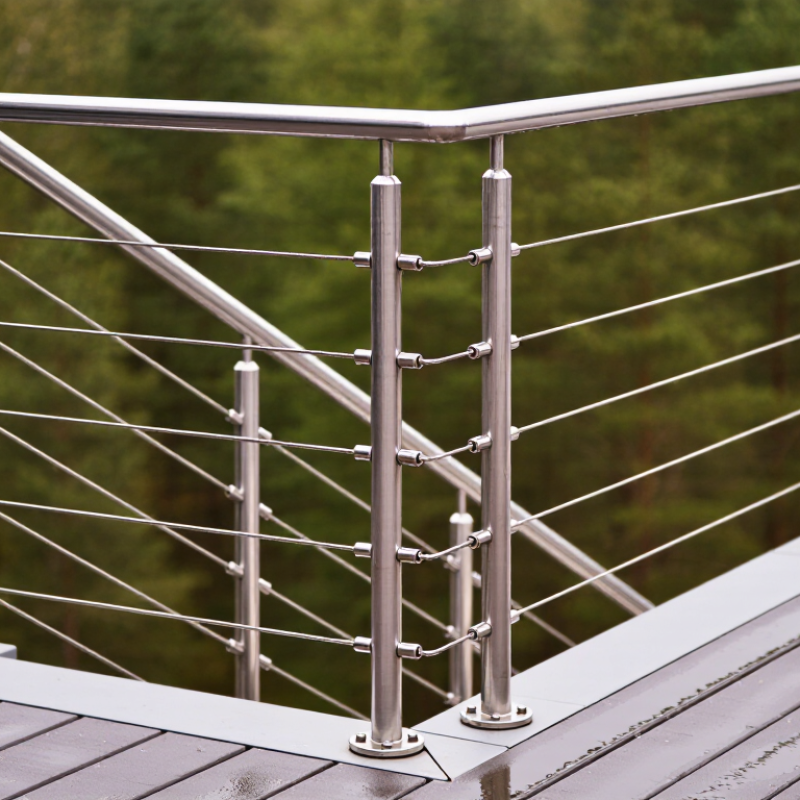
A stainless steel deck railing is more than a row of posts and a top rail. It is a connected system: posts anchor to the deck, infill closes the gaps, and fittings hold each part in place. Infill may use vertical balusters, tensioned cable, or glass panels. Each option changes the view, cleaning needs, and installation details. Check the deck structure before choosing; a strong-looking post cannot compensate for weak framing.
Material grade matters, too. Grade 304 is commonly used in many inland settings, while grade 316 offers greater resistance to salt exposure near coasts. Conditions vary, so ask a qualified supplier or installer to assess the site. Use compatible fasteners, and avoid spots where water can collect. Small details count.
Cable systems need correctly tensioned runs and periodic checks. Glass panels need secure clamps and room for drainage. I used to think the infill was mostly a style choice; that misses how much maintenance and visibility depend on it. Looks can mislead. Consider hand comfort, cleaning access, and local building requirements before settling on a layout. Even a well-made system may feel awkward if the top rail is too wide or the posts interrupt the view. Walk the deck and picture daily use before deciding.
Comparing Stainless Steel Grades for Outdoor Durability
What Is the Best Stainless Steel Deck Railing?
For outdoor railings, the best grade depends on salt, moisture, and maintenance. ASTM A240/A240M lists Type 304 as containing 18–20% chromium and 8–10.5% nickel. Type 316 contains 16–18% chromium, 10–14% nickel, and 2–3% molybdenum. Those composition ranges matter: molybdenum helps 316 resist pitting from chloride exposure. Salt leaves a mark.
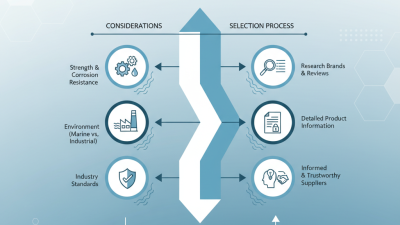
In sheltered inland settings, 304 can be a practical choice when surfaces are cleaned regularly. Near the coast, beside a pool, or where winter de-icing salts collect, 316 is generally the safer specification. The Nickel Institute’s Design Guidelines for the Selection and Use of Stainless Steel emphasize matching the grade to the corrosive environment. No grade is maintenance-free. Rinsing salt deposits from posts, fittings, and cable terminals can reduce staining and corrosion risk.
Look closely at joints and cut ends, where water can linger and grime can build up. A railing may use 316 posts but still have less corrosion-resistant fasteners; check the full component specification. Even 316 can pit in severe, persistent chloride exposure. That is not invincible. For exposed sites, confirm the grade with the supplier and consider local conditions, not just the product label.
Evaluating Safety, Maintenance, Cost, and Weather Resistance
A stainless steel deck railing is only as safe as its posts, anchors, and installation. Posts should feel firm, with no movement when gently pushed. Cable infill needs suitable spacing and tension; loose cables can create hazards, especially for children. Check the railing against local building requirements, since height and opening limits vary. A polished surface can look reassuring. Still, appearance alone proves little.
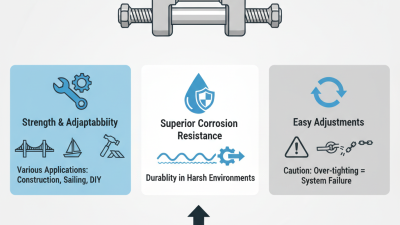
Maintenance depends on the setting. Grade 304 stainless steel often suits sheltered decks, while grade 316 offers better resistance to salt exposure near the coast. Neither is rustproof. Salt spray, standing water, and grime can leave stains or encourage corrosion around joints. Rinse the rail with fresh water and clean it with mild soap; abrasive steel wool can scratch the surface. Cost includes more than the initial materials: custom fittings and careful installation may raise the bill, but frequent repainting is usually unnecessary. A useful comparison is total upkeep over time. One caveat: neglected fasteners can corrode even when the rail itself still shines.
Matching Railing Features to Deck Conditions and Needs
A stainless steel deck railing should suit the deck’s exposure, structure, and everyday use. Near saltwater, 316 stainless steel generally resists corrosion better than 304. In sheltered inland settings, 304 may be a practical choice. Still, grade alone does not prevent rust-like staining. Salt deposits and grime need regular rinsing. Finish matters, too: brushed surfaces can hide fingerprints, while polished steel reflects more light.
Match the railing’s construction to the deck beneath it. Surface-mounted posts need sound framing, not just decking boards, to hold fasteners securely. Check the post locations before choosing a design; joists may not line up conveniently. That detail is easy to miss. Glass panels preserve open views but show water spots and require careful cleaning. Horizontal cables feel visually light, yet need correct tension and periodic checks. A simple vertical-bar system may be easier to maintain.
Think about who uses the deck and how they move through it. A top rail should feel comfortable in the hand, and gates may help control access near stairs. Confirm railing height, opening limits, and load requirements against applicable local standards. If the deck framing is older or unclear, have its capacity assessed before installation. One useful reality check: the sleekest option can become frustrating if cleaning, tightening, or replacement parts are difficult to manage.
What Is the Best Stainless Steel Deck Railing?
Matching railing material to deck conditions starts with understanding the alloy. The chart compares specified composition ranges for common 304 and 316 stainless steels.
How to use this: 316 stainless steel contains molybdenum, which helps improve resistance to chloride-related corrosion, making it a common choice for coastal or salt-exposed decks. 304 is often suitable for less corrosive inland conditions when properly maintained. Values are composition ranges by weight; molybdenum is not specified for 304 in this comparison.